
Google Pixel 9 Pro XL Vs iPhone 14

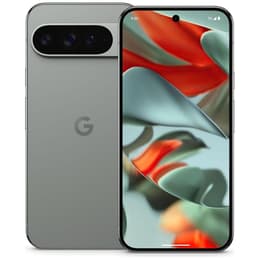
Google Pixel 9 Pro XL
Starting at

Refurbished price:£383.00

Versus £1,093.99 new

See options
iPhone 14
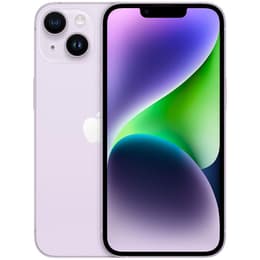
iPhone 14
Starting at

Refurbished price:£229.00

Versus £599.00 new

See options

Ratings

The Google Pixel 9 Pro XL (2024) and the iPhone 14 (2022) represent different eras and philosophies in the smartphone market. While the Pixel 9 Pro XL is a large-format flagship featuring Google's latest software innovations, the iPhone 14 is a more compact, established device within the Apple ecosystem. The Pixel runs on Android, offering extensive customisation, whereas the iPhone utilises iOS, known for its streamlined interface and integration with other Apple services.

Scores

Durability

The release dates of these two devices significantly impact their expected software longevity and support cycles in the long term.

  • Software Support: The Pixel 9 Pro XL benefits from a commitment to seven years of operating system and security updates, extending its functional life well into the next decade. The iPhone 14, released two years earlier, typically receives around six to seven years of support, meaning its update cycle will likely conclude sooner than its counterpart.
  • Repairability and Build: Both manufacturers have made strides in making components like screens and batteries easier to replace for the average user. The Pixel 9 Pro XL features a design that facilitates straightforward repairs, while the iPhone 14 introduced an internal architecture that allows for easier back glass and screen servicing compared to older models.
  • Long-term Reliability: Users can expect both devices to remain physically robust over several years, though the Pixel's newer hardware components may offer more headroom for future software demands.

Year of Release

2024

2022

Compatible with latest Update

Yes

Yes

OS

Android

iOS

Foldable

No

No

Performance

Performance on these devices is tailored to different usage patterns, with one focusing on high-capacity multitasking and the other on consistent, efficient daily operation.

  • System Responsiveness: The Pixel 9 Pro XL handles demanding applications and heavy multitasking with ease, aided by a high amount of temporary memory that keeps many apps open simultaneously. The iPhone 14 provides a very fluid experience for everyday tasks, social media, and gaming, thanks to its highly optimised software that makes the most of its internal hardware.
  • Battery Endurance: With its larger physical footprint, the Pixel 9 Pro XL houses a high-capacity battery that comfortably lasts through a full day of intensive use. The iPhone 14, while smaller, is designed for efficiency, typically providing enough power for a standard day of moderate activity before needing a charge.
  • Storage and Utility: Both devices offer various storage capacities to house photos and files, though neither supports expandable storage via memory cards, encouraging users to select their required capacity at the point of acquisition.

Memory (GB)

16 GB

6 GB

Screen quality

The viewing experience differs primarily in scale and smoothness, with the Pixel offering a more expansive and fluid display compared to the iPhone's more traditional setup.

  • Display Technology: The Pixel 9 Pro XL features a large 6.8-inch OLED screen with a variable refresh rate that reaches 120Hz, resulting in very smooth scrolling and animations. The iPhone 14 uses a 6.1-inch OLED display that provides excellent colour accuracy and deep blacks, though it operates at a standard 60Hz refresh rate, which may feel less fluid during fast-paced movement.
  • Outdoor Visibility: For users who frequently use their phones in direct sunlight, the Pixel 9 Pro XL offers significantly higher peak brightness levels, making the screen easier to read. The iPhone 14 remains clear in most lighting conditions but does not reach the same levels of extreme brightness as its newer counterpart.
  • Clarity and Detail: Both screens provide high resolutions that ensure text looks sharp and images appear detailed, making them well-suited for high-definition video streaming and photo editing.

Resolution

1344 x 2992

1170 x 2532

Screen type

LTPO OLED

Super Retina XDR OLED

Audiovisual

Photography and videography are handled differently by these two devices, with the Pixel offering more hardware versatility and the iPhone focusing on consistent video quality.

  • Camera Versatility: The Pixel 9 Pro XL includes a dedicated telephoto lens for high-quality zoomed-in shots, alongside its main and wide-angle sensors. The iPhone 14 utilises a dual-camera system that excels at standard and wide-angle photography but lacks a physical zoom lens, relying instead on digital cropping for closer subjects.
  • Image Processing: Google's device is known for its advanced software processing, which produces detailed images in challenging low-light environments and offers unique editing tools. The iPhone 14 is praised for its natural colour reproduction and industry-standard video recording, which remains stable and clear even during movement.
  • Audio and Media: Both smartphones feature stereo speakers that deliver clear audio for media consumption and video calls. The microphone arrays on both are designed to isolate the user's voice and reduce background noise during recordings or conversations.

Main camera

50 megapixels

12 megapixels

Front camera

42 megapixels

12 megapixels

Miscellaneous

Beyond the core specifications, the physical design and connectivity options define the daily handling and compatibility of these smartphones for different users.

  • Physical Handling: The Pixel 9 Pro XL is a substantial device, requiring two-handed use for many people, whereas the iPhone 14 is more compact and easier to manage with one hand. The materials used in both provide a sturdy feel, though the Pixel's larger size naturally results in a heavier weight in the pocket.
  • Connectivity and Ports: The Pixel 9 Pro XL uses the universal USB-C port for charging and data transfer and supports the latest high-speed Wi-Fi standards. The iPhone 14 utilises the Lightning port and supports reliable 5G and Wi-Fi 6, though it lacks the newer connectivity standards found in the more recent Pixel.
  • Security Features: For unlocking the device, the Pixel offers both a fast under-screen fingerprint sensor and facial recognition. The iPhone 14 relies exclusively on FaceID, which uses specialised sensors to provide secure and consistent access even in total darkness.

Weight

221 g

172 g

Screen size (in)

6.8

6.1

Mobile network

5G

5G

SIM card

Physical SIM + eSIM

Physical SIM + eSIM

Carrier compatibility

Unlocked

Unlocked

Connector

USB-C

Lightning

In summary, the choice between the Google Pixel 9 Pro XL and the iPhone 14 often comes down to a preference for size, camera flexibility, and software ecosystem. User feedback on forums like Reddit suggests that those who choose the Pixel 9 Pro XL are frequently impressed by its expansive, smooth display and the versatility of its triple-camera system, particularly the zoom capabilities. Conversely, iPhone 14 users often highlight the device's consistent performance, the reliability of the iOS platform, and its comfortable, compact size as primary reasons for their satisfaction. Some users have noted that the iPhone 14's 60Hz screen can feel dated compared to newer high-refresh-rate panels, while some Pixel users mention the device's large size can be cumbersome for those with smaller hands.

Users who prioritise a large, vibrant screen for media consumption and want the most versatile camera setup for long-distance photography will likely find the Pixel 9 Pro XL better suited to their needs. Those who prefer a more manageable, one-handed device and value a straightforward, reliable software experience that integrates seamlessly with other Apple products may lean toward the iPhone 14. Choosing a quality-assured refurbished option for either of these devices is a sustainable choice that helps reduce electronic waste while providing a high-performance smartphone experience. Both models remain highly capable in 2026, offering distinct advantages depending on whether a user values the latest technological features or a proven, compact design. As an eco-friendly alternative, opting for a refurbished model ensures these powerful tools continue to serve users effectively.

See all articles

Our recent comparisons