iPhone 12 mini Vs iPhone 8

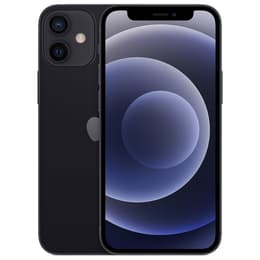
iPhone 12 mini
iPhone 12 mini
Starting at

£128.00

£579.00 new

See options
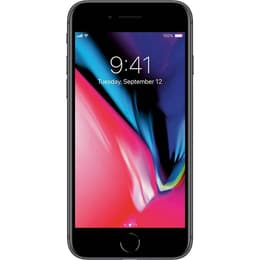
iPhone 8
iPhone 8
Starting at

£68.00

£249.00 new

See options

Ratings

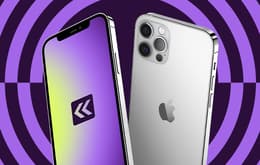
The iPhone 8, released in 2017, and the iPhone 12 Mini, launched in 2020, represent two distinct eras of smartphone design and functionality. While the iPhone 8 maintains the classic aesthetic with a physical home button and substantial borders, the iPhone 12 Mini introduces a modern, edge-to-edge display in a remarkably compact form factor. These devices cater to users who prefer smaller handsets but offer vastly different experiences regarding software compatibility, mobile data speeds, and overall longevity. The iPhone 12 Mini runs on a much newer version of the iOS operating system, providing access to contemporary features that the aging iPhone 8 can no longer support.

Scores

Durability

The age gap between these two models significantly impacts their expected lifespan and ongoing software compatibility in a modern digital environment.

  • Software Longevity: The iPhone 12 Mini supports the most recent operating system updates, ensuring access to new features and security patches for several more years. In contrast, the iPhone 8 has reached the end of its major software update cycle, meaning it may eventually lose compatibility with newer applications and services.
  • Build and Resilience: The iPhone 12 Mini features a Ceramic Shield front, which provides enhanced protection against accidental drops compared to the standard glass used on the iPhone 8. Both devices offer water resistance, but the 12 Mini is rated for deeper submersion and better environmental protection.
  • Repairability: Both models are widely supported by repair services, though the older internal layout of the iPhone 8 is often cited by technicians as being straightforward for battery and screen replacements due to its less complex internal architecture.

Year of Release

2020

2017

Compatible with latest Update

Yes

No

OS

iOS

iOS

Foldable

No

No

Performance

Despite their small sizes, these devices offer different levels of responsiveness and power for daily tasks and multitasking.

  • System Responsiveness: The iPhone 12 Mini handles demanding applications, high-definition video editing, and modern mobile games with ease. The iPhone 8 remains capable for basic communication and web browsing, but users may notice slower loading times and occasional stuttering when switching between multiple heavy apps.
  • Battery Management: Both phones are designed for portability, which necessitates smaller battery capacities. While the iPhone 12 Mini is more efficient and generally lasts through a standard workday for moderate users, the iPhone 8 may require more frequent charging, especially when using power-intensive features like GPS or video streaming.
  • Storage and Multitasking: With more modern internal memory, the iPhone 12 Mini keeps more apps open in the background without refreshing, whereas the iPhone 8 might close background tasks more aggressively to maintain system speed, impacting the flow of multitasking.

Memory

4 GB

2 GB

Screen quality

The transition from LCD to OLED technology marks the most significant visual difference between these two generations of smartphones.

  • Display Technology: The iPhone 12 Mini uses an OLED screen, which provides true black levels and much higher contrast for a more immersive viewing experience. The iPhone 8 uses a traditional LCD, which offers natural colours but lacks the deep blacks and vibrancy found on the newer model.
  • Screen-to-Body Ratio: Despite being physically smaller than the iPhone 8, the iPhone 12 Mini actually has a larger 5.4-inch display because it eliminates the large top and bottom borders. The iPhone 8 retains the classic 4.7-inch screen with the familiar home button area taking up significant space.
  • Outdoor Visibility: The iPhone 12 Mini reaches higher brightness levels, making it easier to read text or view photos under direct sunlight compared to the iPhone 8, which can sometimes struggle with glare in bright environments.

Resolution

1080 x 2340

750 x 1334

Screen type

Super Retina XDR OLED

Retina IPS LCD

Audiovisual

Photography and media consumption have evolved significantly between the release of these two handsets, particularly in low-light conditions.

  • Camera Versatility: The iPhone 12 Mini features a dual-camera system, including an ultra-wide lens that allows users to capture more of a scene in a single shot. The iPhone 8 relies on a single wide lens, which is reliable for standard snapshots but lacks the flexibility for wide landscapes or tight indoor spaces.
  • Low-Light Performance: Users will notice a substantial difference in evening photography; the iPhone 12 Mini includes a dedicated night mode that brightens dark scenes, while the iPhone 8 often produces grainier, darker images in low-light environments.
  • Video and Audio: The iPhone 12 Mini supports advanced video recording formats and offers a more expansive stereo sound experience through its speakers, whereas the iPhone 8 provides a more standard, though clear, audio output for media consumption.

Main camera

12 megapixels

12 megapixels

Front camera

12 megapixels

7 megapixels

Miscellaneous

Practical features like biometrics and connectivity play a major role in the daily user experience and how the device interacts with modern networks.

  • Biometric Security: The iPhone 8 uses Touch ID, allowing users to unlock the device with a fingerprint on the home button. The iPhone 12 Mini uses Face ID, which scans the user's face for secure access, enabling a button-free front design and a more seamless unlocking process.
  • Network Connectivity: The iPhone 12 Mini is compatible with 5G networks, offering faster download speeds in supported areas. The iPhone 8 is limited to 4G LTE, which remains functional for most tasks but may feel slower when downloading large files or streaming high-quality media.
  • Physical Handling: Because the iPhone 12 Mini is narrower and shorter than the iPhone 8, it is often easier to use with one hand, despite having a larger screen. Both devices use the Lightning port for charging and data transfer, maintaining compatibility with older accessories.

Weight

135 g

148 g

Width

6,42 cm

6,73 cm

Height

13,15 cm

13,84 cm

Depth

0,74 cm

0,73 cm

Screen size (in)

5.4

4.7

Network

5G

4G

SIM card

Physical SIM + eSIM

Physical SIM

Carrier compatibility

Unlocked

Unlocked

Connector

Lightning

Lightning

User feedback on community forums often highlights the iPhone 8 as a reliable choice for those who prefer the tactile feel of a physical home button and a familiar interface. Many users appreciate its simplicity and the ease of using a fingerprint sensor. However, some long-term owners note that its battery life and aging processor are becoming more apparent with the requirements of modern apps. The iPhone 12 Mini is frequently praised for its "pocketable" size and modern features, though some owners mention that the battery requires careful management during days of heavy use.

Users who prioritise a classic design and simple biometric unlocking may find the iPhone 8 suits their needs perfectly for basic communication. Conversely, those who want a compact device that doesn't compromise on screen quality, camera versatility, or future software support will likely prefer the iPhone 12 Mini. Choosing a quality-assured refurbished option for either model is a sustainable choice that helps reduce electronic waste while providing a reliable smartphone experience. Ultimately, the decision rests on whether you value the traditional home button experience or the advancements of a modern, all-screen design with faster connectivity.
See all articles

Our recent comparisons