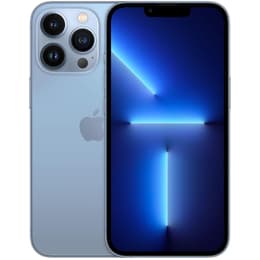

iPhone 13 Pro Vs Sony Xperia 5 IV

iPhone 13 Pro
iPhone 13 Pro
Starting at

Refurbished price:£232.00

Versus £949.00 new

See options
Sony Xperia 5 IV
Sony Xperia 5 IV
Starting at

Refurbished price:£298.00

Versus £1,199.00 new

See options

Ratings

The iPhone 13 Pro, launched in 2021, and the Sony Xperia 5 IV, released in 2022, represent two distinct approaches to the high-end smartphone market. While the iPhone 13 Pro focuses on a seamless integration of hardware and software within the iOS ecosystem, the Sony Xperia 5 IV offers a unique, enthusiast-focused experience on the Android platform. These devices cater to different user needs, with the iPhone prioritising ease of use and consistent performance, while the Sony model emphasises manual control and a compact, narrow design. Both smartphones provide high-quality experiences but differ significantly in their physical handling and software longevity.

Scores

Durability

The iPhone 13 Pro and Sony Xperia 5 IV differ significantly in their long-term software support and physical resilience.

  • Software Longevity: The iPhone 13 Pro typically receives operating system updates for six to seven years from its release date, ensuring it remains compatible with the latest apps for a long period. In contrast, the Sony Xperia 5 IV generally sees a shorter support window, often receiving major updates for two to three years.
  • Build and Repair: Both phones feature glass and metal constructions that require careful handling to avoid damage. Choosing a quality-assured refurbished option can be a sustainable way to access these premium builds while extending the lifecycle of existing hardware.
  • Practical Lifespan: Due to the extended software support, the iPhone 13 Pro is likely to remain functional and secure for several years longer than the Xperia 5 IV for the average user who does not plan to upgrade frequently.

Year of Release

2021

2022

Compatible with latest Update

Yes

No

OS

iOS

Android

Foldable

No

No

Performance

In daily use, both smartphones provide a responsive experience, though they handle demanding tasks and storage differently.

  • System Responsiveness: The iPhone 13 Pro is known for its fluid animations and immediate app launches, maintaining a consistent speed even as the device ages. The Sony Xperia 5 IV is equally fast in short bursts, though users may notice the device becoming warm during intensive gaming or long video recording sessions.
  • Multitasking and Memory: Both devices manage multiple open applications effectively, allowing users to switch between social media, emails, and web browsers without significant reloading. This ensures a smooth workflow for professionals and students alike.
  • Storage Flexibility: The iPhone 13 Pro comes with fixed internal storage options, requiring users to decide their needs upfront. The Sony Xperia 5 IV includes a microSD card slot, allowing for easy storage expansion for those who store large amounts of media locally.

Memory (GB)

6 GB

8 GB

Screen quality

While both devices utilise advanced display technology, their shapes and viewing experiences are tailored to different types of content.

  • Display Technology: Both phones use OLED panels, which provide deep blacks and high contrast. The iPhone 13 Pro features a variable refresh rate that adjusts smoothness based on what you are doing, while the Sony Xperia 5 IV maintains a high refresh rate for consistently fluid scrolling.
  • Aspect Ratio and Shape: The Sony Xperia 5 IV has a distinctively tall and narrow 21:9 screen, which is ideal for watching cinematic films without black bars. The iPhone 13 Pro uses a more traditional, wider aspect ratio that many find more comfortable for reading text and general web browsing.
  • Outdoor Visibility: The iPhone 13 Pro offers a bright display that remains easy to read under direct sunlight, whereas the Sony Xperia 5 IV is clear but may require more shading in extremely bright environments to see fine details.

Resolution

1170 x 2532

1080 x 2520

Screen type

Super Retina XDR OLED

OLED

Audiovisual

The camera systems on these two devices reflect different philosophies: one focuses on automated intelligence, the other on manual precision.

  • Photography Style: The iPhone 13 Pro is designed for high-quality point-and-shoot photography, using software to automatically balance lighting and detail. The Sony Xperia 5 IV provides a suite of professional-style controls, allowing users to manually adjust settings like shutter speed and ISO, much like a dedicated camera.
  • Video Capabilities: Both devices record high-resolution video with excellent stabilisation. The Sony model stands out for its ability to record high-frame-rate video on all its lenses, while the iPhone is praised for its natural-looking depth-of-field effects in video.
  • Audio Experience: The Sony Xperia 5 IV retains a traditional headphone jack and features front-facing speakers, making it a strong choice for those who prefer wired audio. The iPhone 13 Pro relies on its charging port or wireless connections for audio but offers a loud and clear internal speaker system.

Main camera

12 megapixels

12 megapixels

Front camera

12 megapixels

12 megapixels

Miscellaneous

Beyond the core specs, the physical handling and connectivity of these devices influence daily comfort and utility.

  • Ergonomics and Handling: The Sony Xperia 5 IV is notably narrow, making it one of the easiest modern smartphones to use with one hand. The iPhone 13 Pro is wider and heavier, giving it a more substantial feel that some users find more secure and durable.
  • Biometric Security: The iPhone 13 Pro uses facial recognition for unlocking, which is fast and works well in most lighting conditions. The Sony Xperia 5 IV uses a fingerprint sensor built into the power button, which some users prefer for its tactile feedback and ability to unlock before looking at the screen.
  • Connectivity and Ports: Both phones support 5G for fast mobile data. The iPhone uses a proprietary port for charging, while the Sony uses the more universal USB-C standard, which is common across most modern laptops and tablets, simplifying cable management.

Weight

203 g

172 g

Screen size (in)

6.1

6,1

Mobile network

5G

5G

SIM card

Physical SIM + eSIM

Physical SIM + eSIM

Carrier compatibility

Unlocked

Unlocked

Connector

Lightning

USB-C + Jack 3.5mm

User feedback for the iPhone 13 Pro often highlights its reliability, the consistency of its camera system, and the fluid nature of the iOS interface. Common criticisms usually involve its weight and the presence of the screen notch, which some find distracting during media playback. On the other hand, Sony Xperia 5 IV users frequently praise its compact size, the inclusion of a headphone jack, and the advanced manual camera controls that offer a professional feel. However, some users have noted that the device can run warm during heavy use and that the software support period is shorter than they would like for a high-end device.

Choosing between these two depends on your personal priorities and how you use your phone daily. Users who want a dependable, long-lasting device with a simple camera and long-term software updates will likely find the iPhone 13 Pro more suitable for their needs. Those who value manual creative control, a narrow form factor for one-handed use, and traditional features like expandable storage and a headphone jack may lean toward the Sony Xperia 5 IV. Opting for a sustainable choice like a quality-assured refurbished model allows you to enjoy these high-end features while reducing electronic waste. Both smartphones remain powerful options that serve their respective audiences with distinct strengths, helping you make an informed decision based on your lifestyle.
See all articles

Our recent comparisons