Galaxy Z Fold6 Vs iPhone 13

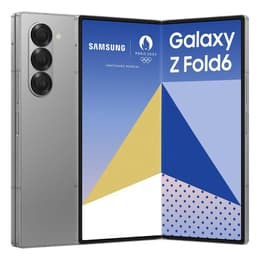
Galaxy Z Fold6
Galaxy Z Fold6
Starting at

Refurbished price:£523.00

Versus £1,685.59 new

See options
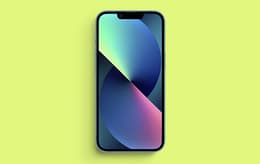
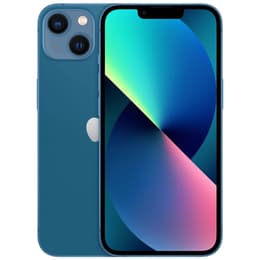
iPhone 13
iPhone 13
Starting at

Refurbished price:£204.00

Versus £599.00 new

See options

Ratings

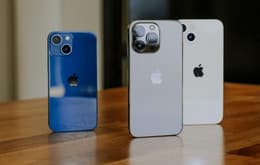
The Samsung Galaxy Z Fold6 (2024) and the Apple iPhone 13 (2021) represent two distinct approaches to smartphone design. While the Galaxy Z Fold6 is a modern foldable device that pushes the boundaries of mobile productivity, the iPhone 13 remains a steadfast example of the classic smartphone form factor. These devices operate on different platforms, Android and iOS respectively, offering unique ecosystems for their users. Choosing between them involves weighing the benefits of a transforming, large-screen experience against the simplicity and proven reliability of a traditional, compact handset that has stood the test of time.

Scores

Durability

The physical construction and long-term software support for these two devices reflect their different release dates and mechanical designs.

  • Software Support: The Galaxy Z Fold6 is expected to receive software updates for seven years from its 2024 launch, providing a long functional life for its operating system. The iPhone 13, released in 2021, is still expected to receive iOS updates for a few more years, typically totalling six or seven years of support.
  • Physical Resilience: The iPhone 13 features a classic slab design with an aluminium frame, making it resistant to dust and water. The Galaxy Z Fold6 features a complex hinge mechanism and a flexible internal screen, which requires more careful handling despite improvements in durability.
  • Ease of Repair: Standard smartphones like the iPhone 13 are generally more straightforward for technicians to service. The intricate internal layout of the Galaxy Z Fold6 makes repairs more specialised and complex.

Year of Release

2024

2021

Compatible with latest Update

Yes

Yes

OS

Android

iOS

Foldable

Yes

No

Performance

Performance on these devices is tailored to different user needs, with one focusing on intensive multitasking and the other on consistent daily efficiency.

  • System Responsiveness: The Galaxy Z Fold6 is built to handle several applications at once on its large internal display, allowing users to drag and drop content between windows without lag. Its modern internal components ensure that even demanding tasks like video editing or gaming feel fluid.
  • Memory and Efficiency: With more memory dedicated to its complex interface, the Galaxy Z Fold6 excels at keeping many apps open in the background. The iPhone 13 uses its resources efficiently to ensure that the user experience remains stable and predictable as the device ages.
  • Battery Behaviour: The Galaxy Z Fold6 manages two screens, requiring a larger battery capacity to maintain a full day of use. The iPhone 13 is known for efficient power usage, often lasting through a standard workday with ease.

Memory (GB)

12 GB

4 GB

Screen quality

The display technology is the most significant differentiator, as it fundamentally changes how a user interacts with their digital content.

  • Display Technology: The Galaxy Z Fold6 features a high-refresh-rate internal screen that makes every movement and scroll look noticeably fluid. This OLED panel is designed to fold, providing a tablet-like experience. The iPhone 13 uses a high-quality OLED display that offers accurate colours and deep blacks at a standard refresh rate.
  • Outdoor Visibility: Both devices offer bright screens that are legible in outdoor conditions, but the Galaxy Z Fold6 can reach higher peak brightness levels, which is helpful in direct sunlight. The iPhone 13 maintains a high resolution that makes text and images look crisp during typical viewing.
  • Viewing Experience: For media consumption, the Galaxy Z Fold6 offers a much larger canvas ideal for watching videos or reading. The iPhone 13 provides a familiar 6.1-inch screen size that is comfortable for one-handed use.

Resolution

1856 x 2160

1170 x 2532

Screen type

Foldable Dynamic LTPO AMOLED 2X

Super Retina XDR OLED

Audiovisual

The camera systems and audio output on these devices cater to different levels of photographic interest and media consumption habits.

  • Camera Versatility: The Galaxy Z Fold6 includes a triple-camera array with a dedicated telephoto lens, allowing for clear photos of distant objects. It also features a camera hidden beneath the inner display. The iPhone 13 uses a dual-camera system that is highly regarded for its consistent performance and natural-looking photos.
  • Video and Audio: Apple's iPhone 13 is often praised for its stable and high-quality video recording, making it a reliable choice for casual creators. Both phones feature stereo speakers, but the Galaxy Z Fold6 provides a wider soundstage when unfolded, which enhances the experience of watching films.
  • Microphone Quality: Both devices utilise multiple microphones to cancel out background noise during calls, ensuring clear voice quality. The Galaxy Z Fold6's design allows for unique camera angles during video calls when propped up on a flat surface.

Main camera

50 megapixels

12 megapixels

Front camera

4 megapixels

12 megapixels

Miscellaneous

Practical considerations such as weight, ports, and biometric security play a significant role in the daily user experience of these smartphones.

  • Weight and Handling: The iPhone 13 is a lightweight device that is easy to handle for long periods, weighing significantly less than the Galaxy Z Fold6. The Fold is a heavier, thicker device when closed, which may be a consideration for users who prefer to carry their phone in tight pockets.
  • Ports and Connectivity: The Galaxy Z Fold6 uses a USB-C port, which is the current standard for most modern electronics, allowing for fast data transfer. The iPhone 13 uses the Lightning port. Both devices support 5G for fast mobile internet and offer secure unlocking: facial recognition for the iPhone and a side-mounted fingerprint sensor for the Fold.
  • Build Materials: Both phones use high-quality glass and metal. The Galaxy Z Fold6 also supports a stylus for those who want to take handwritten notes, while the iPhone 13 focuses on a streamlined interface.

Weight

239 g

173 g

Screen size (in)

7.6

6.1

Mobile network

5G

5G

SIM card

Dual Physical SIM + eSIM

Physical SIM + eSIM

Carrier compatibility

Unlocked

Unlocked

The Galaxy Z Fold6 and iPhone 13 offer distinct experiences. Users on forums often praise the Galaxy Z Fold6 for its versatility and the utility of having a tablet-sized screen in their pocket, though some note that the narrow outer screen requires an adjustment period. The iPhone 13 is frequently commended for its reliability, comfortable size, and the simplicity of the iOS experience, with the main criticism being its standard screen refresh rate compared to more modern alternatives.

Users who prioritise multitasking and large-screen media consumption will find the Galaxy Z Fold6 well-suited to their needs. Conversely, users who prefer a compact, dependable device that excels at the basics may lean toward the iPhone 13. Choosing a quality-assured refurbished option for either of these devices is a sustainable choice that reduces electronic waste. Opting for an eco-friendly alternative through refurbishment allows users to access these technologies while supporting a circular economy. Ultimately, the decision rests on whether you value the expansive versatility of a foldable or the refined simplicity of a classic smartphone.

See all articles

Our recent comparisons