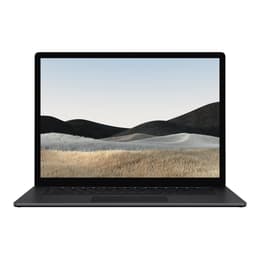
Dell Latitude 7400 14" Vs Microsoft Surface Laptop 4 13"

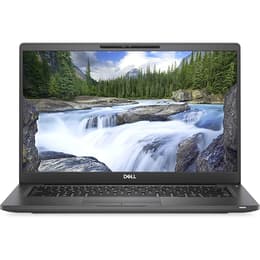
Dell Latitude 7400 14"
Starting at

Refurbished price:£154.00

Versus £699.00 new

See options
Microsoft Surface Laptop 4 13"
Starting at

Refurbished price:£290.00

Versus £705.59 new

See options

Ratings

The Dell Latitude 7400 14, released in 2019, and the Microsoft Surface Laptop 4 13, launched in 2021, are both designed for productivity, yet they cater to slightly different user priorities. The Latitude 7400 is a business-oriented laptop known for its robust build and extensive port selection, while the Surface Laptop 4 emphasizes a sleek design, a high-resolution display, and a refined user experience. Both devices operate on the Windows platform, offering a familiar software environment.

Scores

Durability

When considering the long-term usability of these laptops, their release timelines and design philosophies play a significant role.

  • Release Timeline: The Dell Latitude 7400 was introduced in 2019, making it an older model compared to the Microsoft Surface Laptop 4, which arrived in 2021. This two-year difference means the Surface Laptop 4 benefits from more recent hardware and potentially a longer period of official software support from Microsoft. [1, 3]
  • Software Longevity: Both laptops natively support Windows 11, ensuring access to current operating system features and security updates. However, the newer Surface Laptop 4 is likely to receive feature updates and security patches for a longer duration due to its more recent release. [5, 16]
  • Repairability and Build: The Dell Latitude 7400 is often praised for its durable construction, featuring aluminum or carbon fiber chassis options, designed for business environments. The Surface Laptop 4 also boasts a premium aluminum chassis, with some configurations offering an Alcantara fabric keyboard deck. While the Surface Laptop 4's SSD is technically removable by skilled technicians, the Latitude 7400 generally offers more straightforward access for internal maintenance and upgrades, potentially extending its practical lifespan through component replacement. [5, 7, 8, 9, 11, 15]

Year of Release

2019

2020

Last Os Compatibility

Yes

Yes

OS

Windows 11

Windows 11

Performance

Both laptops deliver capable performance for everyday tasks, though their internal architectures reflect their respective release years.

  • Processor Capabilities: The Dell Latitude 7400 is equipped with 8th generation Intel Core processors, which provide solid performance for general productivity, web browsing, and office applications. The Surface Laptop 4, featuring 11th generation Intel Core processors or AMD Ryzen Microsoft Surface Edition processors, offers a noticeable step up in processing power, resulting in quicker application loading and smoother multitasking, especially with more demanding software. [1, 3, 8, 9, 11, 13]
  • Multitasking and Responsiveness: The Latitude 7400 can be configured with up to 32GB of RAM, with some reports suggesting expandability to 64GB, allowing for robust multitasking. The Surface Laptop 4 typically comes with 8GB or 16GB of RAM, which is generally sufficient for most users, but it is soldered onboard, limiting future upgrades. Both devices utilize fast NVMe PCIe SSDs for quick boot times and data access. [1, 2, 3, 5, 9, 11, 13]
  • Battery Behavior: The Latitude 7400 is known for its long battery life, with some configurations offering over 13 hours of use, making it suitable for extended periods away from a power outlet. The Surface Laptop 4 also provides strong battery performance, typically lasting between 10 to 13 hours on a single charge, with AMD configurations sometimes offering even longer endurance. [2, 3, 8, 10, 13, 15]

Memory (GB)

8 GB

16 GB

Processor

Core i5 - Gen 8 (U)

Core i7-1185G7

Graphic card

Integrated Graphics

Integrated Graphics

Screen quality

The display experience on these two laptops presents distinct characteristics, catering to different preferences.

  • Display Technology and Resolution: The Dell Latitude 7400 typically features a 14-inch Full HD (1920x1080) IPS anti-glare display. While some configurations offered lower resolution or touch capabilities, the standard FHD panel provides clear visuals for productivity. The Microsoft Surface Laptop 4, on the other hand, boasts a 13.5-inch PixelSense touchscreen with a higher resolution of 2256 x 1504 pixels, resulting in sharper text and more detailed images. [1, 4, 8, 9, 11, 13, 15]
  • Brightness and Clarity: The Latitude 7400's display generally offers around 300 nits of brightness, which is adequate for indoor use but can be less visible in bright outdoor conditions. The Surface Laptop 4's display typically reaches 349 to 400 nits, providing better visibility in varied lighting environments. The Surface Laptop 4 also features a glossy screen, which enhances color vibrancy but can be prone to reflections, whereas the Latitude 7400's anti-glare finish reduces reflections. [1, 2, 4, 8, 9, 15]
  • Aspect Ratio and Viewing Experience: The Latitude 7400 uses a traditional 16:9 aspect ratio, common for media consumption. The Surface Laptop 4 employs a 3:2 aspect ratio, which offers more vertical screen real estate, making it well-suited for document editing, web browsing, and other productivity tasks by displaying more content without scrolling. [8, 9]

Resolution

1920 x 1080

2256 x 1504

Screen type

IPS

IPS

Camera

Audiovisual

For communication and multimedia, both laptops include essential audio and visual components, with some notable differences.

  • Webcam Quality: Both the Dell Latitude 7400 and the Microsoft Surface Laptop 4 are equipped with a 720p HD webcam. The Surface Laptop 4's camera is noted for performing well even in low-light conditions and includes an IR sensor for Windows Hello facial recognition. The Latitude 7400 also offers an IR camera option for Windows Hello. [4, 7, 9, 13, 14, 16]
  • Microphone and Speaker Performance: The Surface Laptop 4 features dual Studio Mics designed for clear voice capture and Omnisonic speakers with Dolby Atmos, which deliver a more immersive audio experience for calls and media. The speakers fire through the keyboard, contributing to a fuller sound. The Latitude 7400's speakers have been described as generally thin, though some configurations, particularly the 2-in-1 model, included improved audio technology. [2, 7, 12, 13, 16]
  • Video Recording Features: While both offer 720p video recording, the Surface Laptop 4's camera benefits from hardware-accelerated image processing for noise reduction and improved skin tones, enhancing video call quality. [7]

Miscellaneous

Beyond core performance and display, several practical features differentiate these two laptops.

  • Connectivity Options: The Dell Latitude 7400 offers a comprehensive selection of ports, including a Thunderbolt 3 enabled USB-C port, two USB-A 3.1 Gen 1 ports, HDMI 1.4a, and a microSD card reader, providing broad compatibility with various peripherals. It also supports Wi-Fi 5 or Wi-Fi 6 and optional LTE. The Surface Laptop 4 has a more minimalist port selection, featuring one USB-C, one USB-A, a 3.5mm headphone jack, and a Surface Connect port for charging and docking, but it lacks Thunderbolt support. It supports Wi-Fi 6. [1, 3, 4, 5, 7, 9, 11, 13, 14, 16]
  • Biometric Security: Both laptops offer convenient and secure login methods. The Latitude 7400 includes a fingerprint reader integrated into the power button and an optional IR camera for Windows Hello facial recognition. The Surface Laptop 4 relies on Windows Hello face recognition for quick and secure access. [2, 5, 7, 12, 13, 16]
  • Portability and Build: The Latitude 7400, weighing between 1.35 kg and 1.535 kg, is a 14-inch device with a sturdy, business-grade chassis. The Surface Laptop 4, at 1.265 kg to 1.288 kg, is slightly lighter and more compact with its 13.5-inch screen, making it highly portable. Its design includes options for an aluminum or Alcantara finish on the keyboard deck. [2, 3, 4, 8, 9, 11, 13, 15]

Weight

1630 g

1280 g

Screen size

14

13

The Dell Latitude 7400 14 and the Microsoft Surface Laptop 4 13 each offer a distinct set of advantages, making them suitable for different user profiles. Users often praise the Latitude 7400 for its robust build quality, extensive port selection, and long battery life, making it a reliable workhorse for business professionals and those needing diverse connectivity. Some common criticisms include its potentially less vibrant display compared to newer models and a design that, while functional, is less modern than some competitors. [2, 4, 5, 11]

The Surface Laptop 4, conversely, receives high marks for its sleek design, vibrant high-resolution PixelSense display, comfortable keyboard, and excellent audio-visual experience for video calls and media. Users appreciate its premium feel and strong performance for everyday tasks. However, its limited port selection, particularly the absence of Thunderbolt, and non-upgradable RAM are frequently noted as drawbacks. [3, 8, 10, 13, 15]

Users prioritizing a durable, highly connectable machine for a traditional office or mobile work environment, where a wide array of legacy ports and potential internal upgrades are valued, may find the Dell Latitude 7400 more aligned with their needs. Its focus on business-grade features and robust construction makes it a practical choice. On the other hand, individuals who value a modern aesthetic, a superior display for content consumption and productivity, and a refined typing experience, along with strong performance for general use, will likely lean towards the Microsoft Surface Laptop 4. Its portability and enhanced multimedia capabilities make it well-suited for students, creative professionals, or anyone seeking a premium daily driver.

Both laptops represent quality options in the refurbished market, offering an eco-friendly alternative for consumers seeking reliable technology. Choosing between them ultimately depends on whether a user prioritizes extensive connectivity and repairability or a more modern design with a high-resolution display and enhanced multimedia features.
See all articles

Our recent comparisons