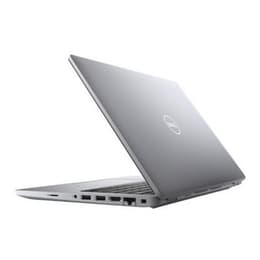
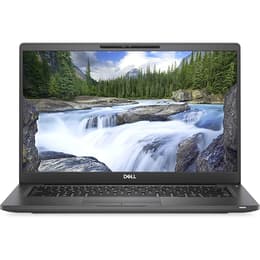

Dell Latitude 5420 14" Vs Dell Latitude 7400 14"

Dell Latitude 5420 14"
Starting at

Refurbished price:£204.00

Versus £546.18 new

See options
Dell Latitude 7400 14"
Starting at

Refurbished price:£154.00

Versus £699.00 new

See options

Ratings

The Dell Latitude 5420, released in 2021, and the Dell Latitude 7400, launched in 2019, are both 14-inch business-oriented laptops designed for productivity. While they share the Latitude branding and a focus on professional use, they differ primarily in their internal components, release timelines, and some aspects of their build quality. Both devices operate on the Windows operating system, offering a familiar experience for business and educational users.

Scores

Durability

The practical lifespan of a laptop is influenced by its build, software support, and the age of its components. The Dell Latitude 5420 and 7400 offer different timelines in these areas.

  • Release Timeline: The Latitude 5420 is a more recent model, released in 2021, while the Latitude 7400 debuted in 2019. This two-year difference means the 5420 benefits from a longer expected period of official software and security updates from Dell and Microsoft, extending its usable life.
  • Build Materials: The Latitude 7400 often features a more robust construction, utilizing machined aluminum or carbon fiber for the lid and a magnesium alloy chassis, contributing to a premium and sturdy feel. The Latitude 5420, while also featuring a carbon fiber and magnesium reinforced chassis, may have a less premium feel in some configurations, with more plastic components.
  • Repairability: Both Latitude models are generally designed with serviceability in mind, allowing for access to internal components like RAM and storage for upgrades or repairs. This design philosophy contributes to their overall longevity, as components can be replaced if needed.

Year of Release

2020

2019

OS

Windows 11

Windows 11

Performance

Performance in laptops is largely dictated by the generation of their internal processing units and the amount of available memory, impacting how smoothly applications run and how efficiently multitasking is handled.

  • Processing Capabilities: The Latitude 5420 incorporates a newer generation of processors, which translates to more responsive performance for demanding applications, faster data processing, and improved efficiency for complex tasks. The Latitude 7400, with its earlier generation processors, remains capable for everyday office tasks, web browsing, and general productivity, but may show limitations with more intensive workloads or extensive multitasking compared to its newer counterpart.
  • Memory and Storage: The Latitude 5420 supports a higher maximum RAM capacity, up to 64GB, offering more headroom for users who frequently run multiple applications simultaneously or work with large datasets. The Latitude 7400 typically supports up to 32GB of RAM, which is ample for most business users. Both models utilize fast NVMe PCIe SSDs for storage, ensuring quick boot times and rapid application loading.
  • Battery Behavior: While both models offer various battery capacities, the Latitude 5420's newer processor generation can contribute to better power efficiency, potentially leading to longer usage times on a single charge for similar workloads. The Latitude 7400 is also noted for its impressive battery life, with some configurations offering extended usage, making it suitable for users who need to work away from a power outlet for prolonged periods.

Memory (GB)

8 GB

8 GB

Processor

Core i5-1145G7

Core i5 - Gen 8 (U)

Graphic card

Intel Iris Xe Graphics

Integrated Graphics

Screen quality

The display is a primary interface for any laptop, and the quality of the screen can significantly impact the user experience, especially during extended work sessions or media consumption.

  • Display Technology and Resolution: Both the Latitude 5420 and 7400 typically feature 14-inch Full HD (1920x1080) IPS displays, providing clear visuals and good viewing angles suitable for productivity tasks.
  • Brightness and Clarity: The Latitude 5420 offers a range of display options, with some configurations reaching up to 400 nits of brightness, which can be beneficial for outdoor use or brightly lit environments. The Latitude 7400's displays generally offer brightness levels between 285 and 342 nits, which is sufficient for indoor use and many outdoor scenarios, though some users have noted it could be brighter.
  • Visual Experience: Both models generally provide good contrast ratios and color coverage for business applications. The Latitude 7400's display is often praised for its wide color coverage and lack of PWM (Pulse Width Modulation) for brightness adjustment, which can reduce eye strain.

Resolution

1920 x 1080

1920 x 1080

Screen type

LCD

IPS

Audiovisual

For business laptops, audio and visual components are crucial for effective communication and media consumption, particularly in an era of frequent video conferencing.

  • Camera System: Both the Latitude 5420 and 7400 are equipped with HD webcams, typically 720p, suitable for video calls and online meetings. The 5420 often includes a physical privacy shutter for the webcam, offering an added layer of security.
  • Microphone Quality: Both laptops feature dual-array microphones, designed to capture clear audio for conference calls and voice commands, aiming to reduce background noise.
  • Speaker Output: The integrated speakers on both models are generally positioned for business use, providing clear audio for video conferences and casual media consumption. User reviews for the 5420 suggest its speakers offer clear and crisp quality.

Miscellaneous

Beyond core performance, several practical elements contribute to the overall usability and convenience of a laptop, from connectivity options to physical design.

  • Connectivity Options: The Latitude 5420 features more modern connectivity, including Thunderbolt 4 ports, which offer higher bandwidth and versatility for connecting external displays and peripherals. It also supports newer Wi-Fi 6 or Wi-Fi 6E standards for faster wireless internet. The Latitude 7400 includes Thunderbolt 3 ports and Wi-Fi 5 (802.11ac), which are still capable but a generation older.
  • Port Types: Both laptops offer a comprehensive selection of ports essential for business users, including USB-A, HDMI, and a universal audio jack. The 5420 consistently includes an RJ-45 Ethernet port, while some configurations of the 7400 might omit it.
  • Security Features: Both models integrate advanced security features such as fingerprint readers (often integrated into the power button) and IR cameras for facial recognition via Windows Hello. They also offer optional Smart Card readers.
  • Physical Attributes: Both are 14-inch laptops designed for portability, with similar starting weights around 1.35-1.37 kg (approximately 3 pounds). The Latitude 7400 is often highlighted for its robust and premium feel due to its aluminum and magnesium construction.

Weight

3000 g

1630 g

Screen size

14

14

The Dell Latitude 5420 and 7400 both serve as reliable business laptops, each with distinct advantages that cater to different user priorities. The Latitude 7400, despite being an older model, is frequently praised for its robust and premium build quality, often featuring aluminum and magnesium alloy chassis that contribute to a sturdy feel. Users also commend its impressive battery life, making it a strong contender for those who need extended unplugged usage. However, its older generation processor means it may not be as responsive for the most demanding modern applications. Conversely, the Latitude 5420 is lauded for its more current internal components, offering enhanced performance and more up-to-date connectivity options like Thunderbolt 4 and Wi-Fi 6. Some user feedback suggests that while its build is durable, it might not always convey the same premium feel as the 7400 in all configurations.

Users prioritizing a highly durable laptop with excellent battery longevity and a premium feel for standard office tasks and web browsing may find the Dell Latitude 7400 well-suited to their needs. For those who require more processing power for complex applications, anticipate longer software support, and value the latest connectivity standards, the Dell Latitude 5420 would be a more appropriate choice. Both models, when considered as quality-assured refurbished options, offer an eco-friendly alternative for consumers seeking reliable business-grade laptops.

See all articles

Our recent comparisons