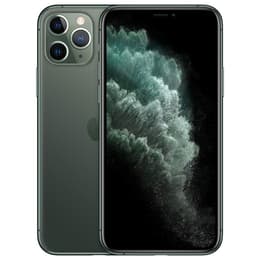
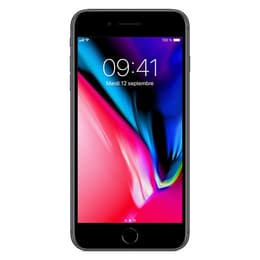

iPhone 11 Pro Vs iPhone 8 Plus

iPhone 11 Pro
iPhone 11 Pro
Starting at

Refurbished price:£152.00

Versus £639.00 new

See options
iPhone 8 Plus
iPhone 8 Plus
Starting at

Refurbished price:£82.00

Versus £249.00 new

See options

Ratings

The iPhone 11 Pro, released in 2019, and the iPhone 8 Plus, launched in 2017, represent a significant shift in smartphone evolution. While both are part of the same ecosystem, they cater to different user preferences regarding physical design and internal capabilities. The iPhone 8 Plus is one of the final models to feature the traditional home button and a 16:9 aspect ratio, whereas the iPhone 11 Pro introduced a more compact, all-screen design with advanced photography features. Both devices operate on iOS, providing a familiar interface, though their software support timelines differ due to their respective release dates.

Scores

Durability

The two-year gap between these models significantly impacts their long-term utility and software compatibility in the current year.

  • Software Longevity: The iPhone 11 Pro generally receives software updates for a longer period than the iPhone 8 Plus. By 2026, the iPhone 8 Plus has likely reached the end of its official operating system update cycle, whereas the iPhone 11 Pro may still support more recent security patches or version updates. This makes the 11 Pro a sustainable choice for users who want to maintain access to the latest app versions and security features.
  • Build and Repair: Both phones feature glass front and back panels, which allow for wireless charging but require careful handling. The iPhone 11 Pro uses a stainless steel frame, which is highly resistant to structural bending, while the iPhone 8 Plus uses an aluminium frame. Repairing these devices is common, with many components like batteries and screens being widely available for those looking to extend the life of their hardware.

Year of Release

2019

2017

Compatible with latest Update

Yes

No

OS

iOS

iOS

Foldable

No

No

Performance

Daily tasks and system responsiveness vary between these generations, particularly when handling modern, resource-heavy applications.

  • System Responsiveness: The iPhone 11 Pro handles multitasking and demanding apps with greater ease than the iPhone 8 Plus. Users will notice that switching between multiple open applications is smoother on the newer model, with fewer instances of apps needing to reload. The internal hardware in the 11 Pro is designed to manage complex computational tasks more efficiently, which is evident when editing high-resolution photos or playing modern mobile games.
  • Battery Efficiency: While the iPhone 8 Plus has a physically large battery, the iPhone 11 Pro benefits from more efficient internal components that manage power consumption more effectively. This results in longer usage times between charges for the 11 Pro, even during intensive tasks. The 8 Plus remains reliable for standard daily use, but heavy users may find themselves reaching for a charger sooner than they would with the 11 Pro.

Memory (GB)

4 GB

3 GB

Screen quality

The viewing experience is one of the most noticeable differences between these two smartphones, as they use entirely different display technologies.

  • Display Technology: The iPhone 11 Pro features an OLED screen, which provides deep blacks and high contrast because each pixel produces its own light. In contrast, the iPhone 8 Plus uses a traditional LCD panel with a backlight. This means the 11 Pro offers a more vibrant and immersive experience for watching videos or viewing photos, with colours that appear more true-to-life.
  • Brightness and Clarity: For outdoor use, the iPhone 11 Pro reaches higher brightness levels, making the screen easier to read under direct sunlight. The resolution on the 11 Pro is also higher, resulting in sharper text and finer details. While the iPhone 8 Plus has a large 5.5-inch display that many users find comfortable for reading, the 11 Pro manages to fit a larger 5.8-inch screen into a smaller overall body by removing the thick borders found on the older model.

Resolution

1125 x 2436

1080 x 1920

Screen type

Super Retina XDR OLED

Retina IPS LCD

Audiovisual

Photography and media consumption have seen major advancements between the release of the iPhone 8 Plus and the iPhone 11 Pro.

  • Camera Versatility: The iPhone 11 Pro features a triple-camera system, including a dedicated ultra-wide lens that allows users to capture more of a scene without moving backward. The iPhone 8 Plus uses a dual-camera system that lacks this wide perspective. Furthermore, the 11 Pro includes advanced processing for low-light environments, allowing for clear photos in dark settings where the 8 Plus may show more grain or loss of detail.
  • Video and Audio: Both devices record high-quality 4K video, but the iPhone 11 Pro offers improved stabilization and dynamic range, resulting in smoother footage with better detail in highlights and shadows. The speakers on the 11 Pro also provide a wider soundstage, creating a more cinematic experience when watching movies or listening to music without headphones compared to the more directional output of the 8 Plus.

Main camera

12 megapixels

12 megapixels

Front camera

12 megapixels

7 megapixels

Miscellaneous

Practical features like security methods and physical dimensions play a large role in how these devices feel in everyday use.

  • Biometric Security: The iPhone 8 Plus uses a fingerprint sensor built into the home button, a method many users find tactile and reliable. The iPhone 11 Pro replaced this with facial recognition technology, which allows for hands-free unlocking and secure authentication by simply looking at the device. Both systems are highly secure, but the choice depends on whether a user prefers a physical button or a more automated, gesture-based interaction.
  • Portability and Connectivity: Despite having a larger screen, the iPhone 11 Pro is physically smaller and narrower than the iPhone 8 Plus, making it easier to use with one hand. Both devices use a proprietary charging port and support 4G connectivity, which remains sufficient for standard web browsing and streaming. The 11 Pro also supports newer Wi-Fi standards, which can result in faster and more stable internet connections when used with compatible home routers.

Weight

188 g

202 g

Screen size (in)

5.8

5.5

Mobile network

4G

4G

SIM card

Physical SIM + eSIM

Physical SIM

Carrier compatibility

Unlocked

Unlocked

Connector

Lightning

Lightning

Public sentiment on forums highlights a clear divide between these two models. Users often praise the iPhone 8 Plus for its classic feel, specifically the reliability of the home button and the familiar 16:9 screen ratio which is ideal for older video content. However, common criticisms of the 8 Plus in 2026 focus on its aging battery life and the physical size of the device relative to its screen. Conversely, the iPhone 11 Pro is frequently lauded for its highly regarded camera system and the compact, premium feel of its stainless steel build. Some users do mention a preference for the fingerprint sensor over facial recognition, but the consensus generally leans toward the 11 Pro for its modern features and better longevity.

Users who prioritize a traditional interface, a physical home button, and a larger physical footprint may find the iPhone 8 Plus well-suited to their needs. It remains a functional choice for those who perform basic tasks like calling, messaging, and light social media use. On the other hand, users who prioritize photography, high-quality video consumption, and a more compact design will likely prefer the iPhone 11 Pro. Its superior screen technology and more efficient performance make it better equipped for modern app demands. For those looking to make an informed decision, a quality-assured refurbished option for either device provides a way to access these features while reducing environmental impact. Ultimately, the decision rests on whether you value the classic ergonomics of the 8 Plus or the modern, versatile capabilities of the 11 Pro.
See all articles

Our recent comparisons