Galaxy A16 5G Vs Galaxy A26

Galaxy A16 5G
Galaxy A16 5G
Starting at

Refurbished price:£102.00

Versus £205.87 new

See options
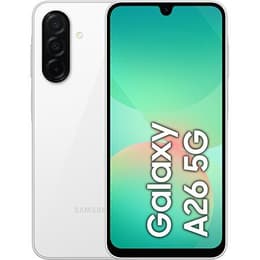
Galaxy A26
Galaxy A26
Starting at

Refurbished price:£165.00

Versus £425.70 new

See options

Ratings

The Samsung Galaxy A16 5G, released in late 2024, and the Samsung Galaxy A26, arriving in early 2026, represent two distinct generations within Samsung’s accessible smartphone lineup. While both devices share a similar design language and core software experience, the Galaxy A26 introduces a more fluid display and enhanced camera stability compared to its predecessor. Both phones operate on the Android platform with Samsung’s One UI, ensuring a familiar interface for long-time users while offering different hardware priorities for students, professionals, and casual users alike.

Choosing between these two models involves weighing the benefits of a larger screen against the advantages of newer internal hardware and longer software support. This comparison explores the practical differences that impact daily usage, helping you decide which device aligns best with your specific mobile needs and lifestyle.

Scores

Durability

The primary difference in longevity between these two devices stems from their respective release dates and Samsung's commitment to long-term software support for its A-series devices.

  • Software Support Timeline: The Galaxy A26, being the newer model, is scheduled to receive security updates and operating system upgrades until 2032, whereas the Galaxy A16 5G is supported until 2030.
  • Build and Repairability: Both phones feature a sturdy plastic construction designed to withstand daily wear, and they share a high repairability rating due to their modular internal components and widely available replacement parts.
  • Practical Lifespan: Users can expect both devices to remain functional for several years, though the Galaxy A26 offers two additional years of software relevance for those who prefer to keep their phones for the longest possible duration.

Year of Release

2024

2025

Compatible with latest Update

Yes

Yes

OS

Android

Android

Foldable

No

No

Performance

While both smartphones are designed for everyday reliability, the Galaxy A26 provides a more responsive experience during demanding tasks compared to the Galaxy A16 5G.

  • System Responsiveness: The Galaxy A26 handles multitasking and switching between heavy applications with greater ease, reducing the likelihood of lag during intensive use or when multiple browser tabs are open.
  • Daily Task Efficiency: The Galaxy A16 5G is well-suited for standard activities like web browsing, email, and social media, though it may show slight delays when launching large files or high-resolution mobile games.
  • Battery and Storage: Both models feature a large battery that typically lasts through a full day of heavy use and offer expandable storage via a microSD card slot, allowing users to keep more photos and videos locally.

Memory

4 GB

6 GB

Screen quality

The viewing experience differs mainly in terms of smoothness and physical size, with each device catering to different visual preferences for media and productivity.

  • Display Fluidity: The Galaxy A26 features a higher refresh rate, making scrolling through menus, social media feeds, and system animations appear significantly smoother than on the Galaxy A16 5G.
  • Screen Size and Immersion: The Galaxy A16 5G offers a slightly larger display area, which is beneficial for users who frequently watch videos, attend video calls, or read long documents on their device.
  • Outdoor Visibility: Both devices use vibrant screen technology that provides deep blacks and rich colours, but the Galaxy A26 reaches higher brightness levels, making the screen easier to see when used under direct sunlight.

Resolution

1080 x 2340

1080x2340

Audiovisual

Photography and media consumption are areas where the Galaxy A26 shows clear technical progression over the Galaxy A16 5G, particularly in challenging environments.

  • Image Stabilization: The Galaxy A26 includes hardware-based stabilization in its main camera, which helps produce sharper photos and steadier videos by compensating for hand movements, especially in low-light conditions.
  • Everyday Photography: The Galaxy A16 5G captures clear, detailed images in bright daylight, though it lacks the advanced steadying features found in the newer model, which may result in more motion blur during action shots.
  • Audio Experience: Both phones provide clear microphone quality for voice calls and video conferencing, though the speaker output on the Galaxy A26 is tuned for a slightly fuller sound during media playback and hands-free calls.

Front camera

13 megapixels

13 megapixels

Miscellaneous

Practical features like connectivity and physical handling play a significant role in the daily user experience and comfort of these two smartphones.

  • Connectivity Standards: Both devices support 5G networks for fast mobile data, but the Galaxy A26 includes updated Bluetooth and Wi-Fi standards for more stable connections with wireless headphones and home networks.
  • Physical Handling: The Galaxy A16 5G has a larger footprint, which may require two-handed use for some users, while the Galaxy A26 is slightly more compact and easier to grip for those with smaller hands.
  • Security and Ports: Both models utilize a responsive side-mounted fingerprint sensor for secure access and feature a universal USB-C port for charging and data transfer, ensuring compatibility with most modern accessories.

Weight

200 g

200 g

Screen size (in)

6.7

6.7

Network

5G

5G

SIM card

Dual Physical SIM

Dual Physical SIM

Carrier compatibility

Unlocked

Unlocked

Connector

USB-C

USB-C

User feedback on the Galaxy A16 5G often highlights its impressive screen size and the longevity of its battery life as major positives for daily use. Some users note that the interface can feel a bit slower when many apps are open simultaneously, but they appreciate the overall reliability. Conversely, early impressions of the Galaxy A26 praise its exceptionally smooth screen and the improved stability of its camera system, though some users miss the slightly larger screen of the previous model. The consensus suggests that both are reliable choices for those who want a modern smartphone experience without unnecessary complexity.

Users who prioritize a larger screen for media consumption and basic daily tasks will find the Galaxy A16 5G to be a practical and capable choice. Those who prefer a smoother interface, better photo stability in low light, and a longer window of software updates may find the Galaxy A26 better suited to their needs. Choosing a quality-assured refurbished option for either model is a sustainable choice that reduces electronic waste and extends the life of existing technology. Ultimately, both devices offer a robust Android experience, and opting for an eco-friendly alternative through refurbishment ensures you get a reliable device while supporting a circular economy. Both smartphones stand as solid examples of functional design, allowing you to stay connected and productive for years to come.


See all articles

Our recent comparisons