Compare models

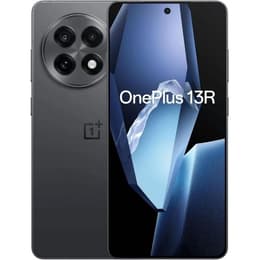
OnePlus 12R Vs OnePlus 13R

  • 1-year minimum warranty
  • Free delivery on all items
  • Free 30-day returns
OnePlus 12R
Starting at

Refurbished price:£369.99

Versus £589.12 new

See options
OnePlus 13R
Starting at

Refurbished price:£427.00

Versus £992.75 new

See options

Differences at a glance

The OnePlus 12R (2024) and OnePlus 13R (2025) are performance-focused smartphones designed to deliver high-end capabilities without matching ultra-premium pricing lines. While both models share similar display sizes and overall device layouts, the newer model introduces an updated processor and expanded software support that distinguishes it from its predecessor. Running on customized versions of the Android operating system, these devices cater to users seeking smooth daily operation and reliable execution.

Available Models

Colour

Storage (GB)

Scores

Durability

When evaluating the long-term usability of these smartphones, differences in release timing and software support cycles play a vital role in determining their expected practical lifespan.

  • Release Timeline and Software Support: The OnePlus 13R benefits from a newer launch year and an extended software update schedule, providing longer operating system longevity compared to the OnePlus 12R.
  • Build Materials and Durability: Both handsets incorporate robust glass and aluminum frames, though they utilize different generations of scratch-resistant screen protection glass.
  • Repairability and Lifespan: Both options offer comparable hardware repair accessibility, allowing users to maintain functionality over several years of standard daily use.

Year of Release

2024

2025

Compatible with latest Update

Yes

Yes

OS

Android

Android

Foldable

No

No

Performance

Daily responsiveness and speed define the core experience of using these devices, with generational processor advancements influencing how heavy applications are handled.

  • Processing Capabilities: The newer model utilizes an upgraded processor that loads demanding apps and handles multi-app workflows with greater efficiency, while the predecessor remains thoroughly capable for everyday tasks.
  • Memory and Multitasking: Base configurations vary, with the newer release offering higher baseline storage capacity, reducing the need for external cloud storage management.
  • Battery Behavior: Both devices support rapid wired charging technologies, though real-world battery endurance varies depending on background activity and screen brightness settings.

Screen quality

Visual immersion is a shared strength, as both smartphones feature large panels tailored for media consumption and smooth scrolling.

  • Display Technology: Each device features a large 6.78-inch LTPO AMOLED screen with matching high resolutions and adaptive refresh rates reaching up to 120Hz.
  • Outdoor Visibility: High peak brightness levels ensure that content remains legible even under direct sunlight during outdoor use.
  • Motion Smoothness: The adaptive refresh rate technology dynamically scales to save power while maintaining fluid motion during web browsing and gaming.

Resolution

1264 x 2780

1264 x 2780

Screen type

LTPO4 AMOLED

LTPO2 Fluid AMOLED

Audiovisual

Photography and media recording hardware on these models accommodate everyday documentation and casual video capture rather than professional-grade studio work.

  • Main Camera Performance: Both models feature a 50-megapixel primary rear sensor equipped with optical image stabilization for clear daytime and moderate low-light snapshots.
  • Secondary Lenses: Auxiliary lenses include ultra-wide and macro options for capturing broader landscapes or close-up subjects.
  • Video and Audio Output: Both units support stable high-definition video recording alongside clear stereo speaker output suitable for hands-free calls and casual media streaming.

Main camera

50 megapixels

48 megapixels

Front camera

16 megapixels

32 megapixels

Miscellaneous

Practical day-to-day utilities, physical dimensions, and connectivity standards dictate how comfortably each device integrates into an active routine.

  • Connectivity Standards: Both smartphones support modern 5G cellular networks, Wi-Fi protocols, and reliable Bluetooth pairing for wireless accessories.
  • Physical Dimensions: Weighing around 206 to 207 grams with slim profiles, both options offer balanced ergonomics for single-handed handling and pocket transport.
  • Security Sensors: Secure biometric authentication is handled via responsive under-display fingerprint readers and facial recognition systems.

Weight

207 g

201 g

Screen size (in)

6.78

6.7

Mobile network

5G

5G

SIM card

Dual Physical SIM

Dual Physical SIM

Carrier compatibility

Unlocked

Unlocked

What the community thinks

User discussions across community forums highlight general satisfaction with the smooth display performance, rapid charging capabilities, and dependable build quality found on both handsets. Common points of discussion often revolve around camera versatility in low-light environments, where both models perform adequately for casual use but trail behind specialized photography flagships. Choosing between the two often comes down to individual preference regarding update longevity and baseline storage capacity.

Users prioritizing extended software update schedules and higher baseline storage may prefer the newer OnePlus 13R, while those seeking a quality-assured refurbished option as a sustainable choice will find the OnePlus 12R to be a practical alternative that handles everyday workflows reliably. Evaluating these distinct priorities helps ensure a well-suited selection for your daily needs.