
Samsung
Compare models
Differences at a glance
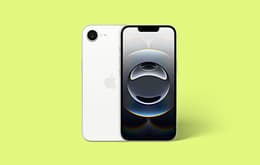
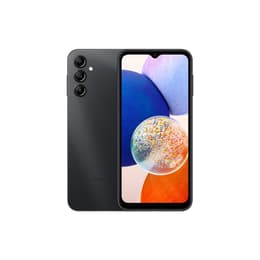
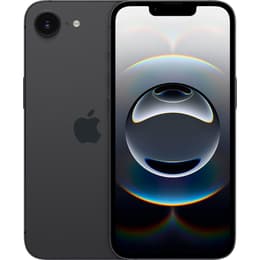
The Samsung Galaxy A14, released in early 2023, is an Android smartphone designed for everyday use, focusing on essential features. In contrast, the iPhone 16E, a hypothetical model released in early 2025, represents Apple's approach to an entry-level iOS device. These two phones offer distinct user experiences, primarily differing in their operating systems, display technologies, and overall performance capabilities.
Colour
Storage
When considering the longevity of these devices, several factors come into play, including their release timelines, software support, and physical resilience.
Year of Release
OS
Foldable
The performance of a smartphone dictates its responsiveness and capability to handle various applications and tasks. These two devices approach performance from different segments.
The display is a primary interface for user interaction, and both devices offer different visual experiences.
Resolution
Camera capabilities are a significant consideration for many users, and these phones offer different approaches to photography and videography.
Front camera
Beyond the core specifications, several practical elements contribute to the overall user experience and daily usability of a smartphone.
Weight
Screen size (in)
Mobile network
SIM card
Carrier compatibility
The Samsung Galaxy A14 and the iPhone 16E cater to different user preferences and priorities within the smartphone market. The Galaxy A14, a 2023 Android device, is often praised by users for its long battery life and the inclusion of a 3.5mm headphone jack. Its larger display and expandable storage are also frequently highlighted as practical advantages for users who consume a lot of media or need ample space for files. However, some users note its display can be dim in bright sunlight and its processor may feel less responsive with demanding applications.
The iPhone 16E, a hypothetical 2025 iOS model, is anticipated to receive commendation for its robust performance, advanced camera capabilities with optical image stabilization, and the enhanced security of Face ID. Its more durable build with water resistance and longer software support are also expected to be significant advantages. Potential criticisms might include its 60Hz display refresh rate, which is lower than some Android counterparts, and the absence of a headphone jack.
Users prioritizing a larger screen, expandable storage, and a traditional headphone jack, along with a strong battery life for moderate use, may find the Galaxy A14 to be a suitable option. Conversely, those who value a powerful and efficient operating system, superior camera performance, enhanced durability, and a longer period of software updates will likely find the iPhone 16E aligns better with their needs. Both devices offer distinct advantages, and choosing between them depends on individual user requirements. For those seeking an eco-friendly alternative, considering a quality-assured refurbished option for either model can be a sustainable choice.