

Smartphones
Compare models
Differences at a glance
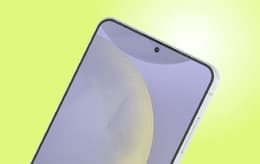
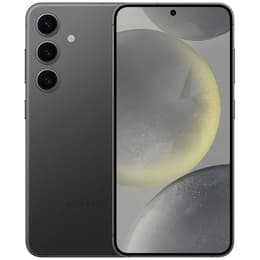
The Samsung Galaxy S24, released in January 2024, and the Google Pixel 9 Pro XL, launched in August 2024, are both high-end Android smartphones. While the Galaxy S24 offers a compact design with a focus on a balanced user experience, the Pixel 9 Pro XL emphasizes advanced computational photography and a larger display. Both devices run on the Android operating system, providing extensive software support and a wide range of applications.
Colour
Storage
The Galaxy S24 and Pixel 9 Pro XL both offer substantial software longevity, with both manufacturers committing to seven years of OS and security updates. The Galaxy S24, released in early 2024, is expected to receive updates until 2031, while the Pixel 9 Pro XL, released later in 2024, will receive support until Android 22. Both devices feature robust build quality designed for daily use.
Year of Release
Compatible with latest Update
OS
Foldable
Both the Galaxy S24 and Pixel 9 Pro XL are equipped with powerful internal components designed to handle demanding applications and multitasking. The Galaxy S24 utilizes a current-generation processor, offering smooth performance for everyday tasks and gaming. The Pixel 9 Pro XL features Google's Tensor G4 processor, specifically optimized for AI-driven tasks and efficient operation.
The display experience on these two smartphones presents distinct characteristics. The Galaxy S24 features a 6.2-inch Dynamic AMOLED 2X display, known for its vibrant colors and deep blacks. The Pixel 9 Pro XL offers a larger 6.8-inch QHD+ OLED display, providing expansive viewing and exceptional clarity.
Resolution
Screen type
Both smartphones are equipped with advanced camera systems designed to capture high-quality photos and videos, though they approach imaging with slightly different philosophies. The Galaxy S24 features a versatile triple-camera setup, providing a balanced array of lenses for various shooting scenarios. The Pixel 9 Pro XL also includes a triple-camera system, known for its computational photography capabilities and detailed image processing.
Main camera
Front camera
Beyond their core features, both the Galaxy S24 and Pixel 9 Pro XL offer a range of practical elements that contribute to their overall user experience. These include their physical design, connectivity options, and integrated security features.
Weight
Width
Height
Depth
Screen size (in)
Mobile network
SIM card
Carrier compatibility
Connector
Users often praise the Samsung Galaxy S24 for its refined design, vibrant display, and comprehensive feature set, including its long-term software support. It is frequently noted for its balanced performance across various tasks and its capable camera system that delivers consistent results. Some users might find its battery capacity to be adequate rather than exceptional for heavy usage.
The Google Pixel 9 Pro XL is commonly lauded for its exceptional camera performance, particularly its computational photography and advanced zoom capabilities, making it a strong choice for photography enthusiasts. Its large, bright display and extended software update commitment are also frequently highlighted as significant advantages. Some feedback suggests that while its processor is highly optimized for AI, its raw performance might not always match the absolute peak of some competitors in certain benchmarks, though this rarely impacts real-world usage.
Users prioritizing a more compact device with a well-rounded feature set and strong overall performance may find the Galaxy S24 well-suited to their needs. Those who prioritize a larger, highly immersive display, cutting-edge camera technology, and Google's specific AI integrations will likely lean toward the Pixel 9 Pro XL. Both devices represent excellent choices for a quality-assured refurbished option, offering a sustainable way to access advanced smartphone technology. The decision ultimately depends on whether a user values a more portable form factor and a balanced experience, or a larger screen and a camera-centric, AI-enhanced approach.