Compare models
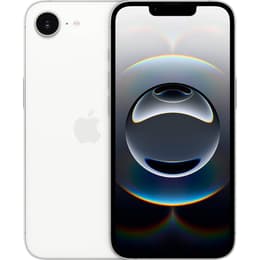
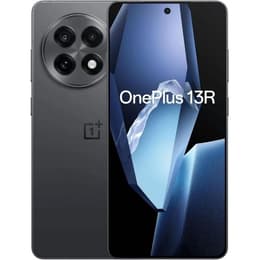
iPhone 16e Vs OnePlus 13R
- 1-year minimum warranty
- Free delivery on all items
- Free 30-day returns
Differences at a glance
The Apple iPhone 16e (2025) and the OnePlus 13R (2025) are contemporary smartphones designed to deliver robust core capabilities within their respective operating systems, running iOS and Android respectively. While both devices cater to users seeking reliable everyday performance, they approach hardware design, software ecosystems, and physical dimensions quite differently.
Available Models
Colour
Storage (GB)
Scores
Durability
When evaluating hardware longevity and software support, both smartphones offer distinct software lifecycles and build configurations suited to long-term ownership, with the quality-assured refurbished option providing an eco-friendly alternative for sustainable tech acquisition.
- Software lifecycle: The iPhone 16e benefits from Apple's extended iOS support window, while the OnePlus 13R provides multiple major Android OS upgrades matching standard industry timelines.
- Build durability: Both models incorporate sturdy frame materials and reinforced glass panels designed to withstand regular daily handling and minor impacts.
- Repairability: Component accessibility and structural design allow technicians to perform standard screen and battery replacements efficiently over time.
Year of Release
2025
2025
OS
iOS
Android
Foldable
No
No
Performance
Handling daily operations, demanding apps, and background multitasking efficiently, these devices utilize modern internal hardware configurations paired with varied storage and memory capacities.
- Multitasking capacity: Generous memory allocations on both handsets ensure smooth app switching and stable background process management without unexpected closures.
- System responsiveness: Current-generation processing architecture enables rapid app loading, smooth scrolling, and reliable execution of resource-intensive tasks.
- Battery behavior: Energy-efficient components combine with substantial internal battery capacities to deliver dependable all-day usage under normal conditions.
Screen quality
Visual output varies across physical dimensions and display panel technologies, impacting outdoor visibility, media consumption, and general navigation.
- Display technology: Both devices employ vibrant OLED panels that deliver deep contrast levels, rich colors, and wide viewing angles for media playback.
- Refresh rate and fluidity: Screen refresh rates provide smooth scrolling motions through web pages, system menus, and supported applications.
- Outdoor legibility: High peak brightness capabilities ensure content remains clearly readable even under direct sunlight or bright ambient lighting.
Resolution
2532x1170
1264 x 2780
Audiovisual
Imaging hardware and multimedia output cater to varied photography styles, video recording requirements, and everyday audio consumption.
- Camera systems: Multi-lens configurations and high-resolution primary sensors capture detailed everyday photos and maintain clarity in challenging lighting environments.
- Video recording: Stabilization features and high-definition capture modes produce steady video footage with clear audio tracks.
- Media audio: Integrated stereo speaker setups deliver balanced sound output for hands-free calls, podcasts, and casual video viewing.
Front camera
TrueDepth 12MP
32 megapixels
Miscellaneous
Physical handling, connectivity standards, and daily conveniences differ based on the distinct physical footprints and hardware ecosystems of each device.
- Connectivity standards: Modern wireless protocols including 5G, advanced Wi-Fi, and Bluetooth ensure stable peripheral connections and fast data transfers.
- Physical dimensions: Form factor differences affect one-handed reachability, pocket storage comfort, and overall device weight distribution.
- Biometric security: Secure face recognition or fingerprint authentication mechanisms provide quick, convenient device unlocking and authorization.
Weight
167 g
201 g
Screen size (in)
6.1
6.7
Mobile network
5G
5G
SIM card
eSIM
Dual Physical SIM
Carrier compatibility
Unlocked
Unlocked
Connector
USB-C
USB-C
What the community thinks
User feedback from online communities highlights distinct preferences for each device based on software ecosystem loyalties and hardware ergonomics. Users frequently praise the iPhone 16e for its seamless integration within the iOS environment, reliable everyday battery longevity, and straightforward user interface. Conversely, owners of the OnePlus 13R often commend its expansive display size, rapid charging speeds, and fluid multitasking performance within the Android ecosystem. Common discussions note that personal preference for operating systems heavily influences overall satisfaction with either model.
Users prioritizing a compact form factor, long-term iOS software support, and ecosystem continuity will find the iPhone 16e well-suited to their daily routines. Meanwhile, users who value a larger viewing area, extensive multimedia screen space, and fast replenishment times may lean toward the OnePlus 13R. Choosing between these devices depends largely on individual workflow habits and preferred software platforms, with quality-assured refurbished models offering a sustainable and reliable choice for conscious consumers.