Galaxy A23 5G Vs iPhone 13

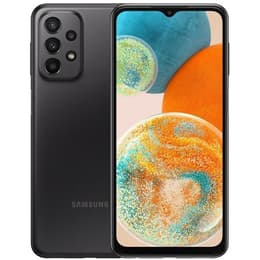
Galaxy A23 5G
Galaxy A23 5G
Starting at

Refurbished price:£100.00

Versus £300.00 new

See options
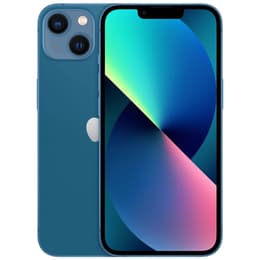
iPhone 13
iPhone 13
Starting at

Refurbished price:£205.00

Versus £599.00 new

See options

Ratings

The Samsung Galaxy A23 5G (2022) and the iPhone 13 (2021) are two distinct smartphones that cater to different user preferences within the mobile market. While the Galaxy A23 5G offers a large-screen experience with modern connectivity, the iPhone 13 provides a more compact design integrated into a mature software ecosystem. Both devices are available as a sustainable choice for those looking to reduce their environmental impact while maintaining reliable daily performance.

Scores

Durability

The long-term reliability of these devices depends on their physical construction and the manufacturer's commitment to software updates over several years.

  • Software Longevity: The iPhone 13 is expected to receive operating system updates for a significant period, often reaching six or seven years of total support from its launch date. The Galaxy A23 5G typically receives security updates for a shorter duration, usually around four years, which provides a reliable functional lifespan for most users.
  • Build Quality and Resistance: The iPhone 13 is constructed with a glass front and back held together by an aluminium frame, offering a high degree of resistance to dust and water. The Galaxy A23 5G utilizes a sturdy plastic body that is resilient against everyday drops and scratches, though it does not carry the same official water resistance ratings.
  • Repairability and Maintenance: Both smartphones are supported by a wide network of third-party repair services, making it easy to find replacement parts. The Galaxy A23 5G features a more straightforward internal design that can make certain repairs simpler, while the iPhone 13 has a more integrated internal structure that requires specialized tools for common maintenance tasks.

Year of Release

2022

2021

Compatible with latest Update

Yes

Yes

OS

Android

iOS

Foldable

No

No

Performance

Everyday speed and multitasking capabilities are handled differently by the internal hardware of each device, affecting how they manage demanding applications.

  • System Responsiveness: The iPhone 13 is known for its smooth performance, where apps launch almost instantly and the interface remains fluid even when multiple tasks are running. The Galaxy A23 5G provides a reliable experience for standard tasks like messaging and browsing, though users may notice a slight difference in speed when loading very large files or complex mobile games.
  • Storage Flexibility: One of the main differences is how these devices handle files; the Galaxy A23 5G includes a slot for a microSD card, allowing users to expand their storage space as needed. The iPhone 13 has fixed internal storage, meaning users must decide how much space they need at the start or rely on online storage services for their media.
  • Battery Behavior: The Galaxy A23 5G features a high-capacity battery that easily supports a full day of intensive use, such as long commutes with video playback. The iPhone 13 is highly optimized to ensure its battery lasts through a typical workday, though it may require more frequent charging for power users who spend many hours on video calls.

Memory (GB)

4 GB

4 GB

Screen quality

The visual experience is a primary differentiator between these two models, with each phone using a different type of panel technology to display content.

  • Display Technology and Contrast: The iPhone 13 features an OLED display, which is characterized by its ability to turn off individual pixels to create true blacks and high contrast. The Galaxy A23 5G uses an LCD screen, which provides a bright and clear image with natural colour reproduction, though it cannot match the deep contrast levels of an OLED panel.
  • Refresh Rate and Smoothness: The Galaxy A23 5G boasts a high refresh rate, which makes scrolling through social media feeds and web pages look exceptionally smooth and responsive. It also has a larger 6.6-inch screen, providing more room for reading. The iPhone 13 has a 6.1-inch screen with a standard refresh rate, offering a more compact form factor that is easier to navigate with one hand.
  • Clarity and Outdoor Visibility: Both devices offer high-resolution displays that make text look sharp and easy to read. The iPhone 13 generally reaches higher peak brightness levels, which helps maintain visibility when using the phone outside on a sunny day, whereas the Galaxy A23 5G is best suited for indoor environments or shaded outdoor areas.

Resolution

1080 x 2408

1170 x 2532

Screen type

PLS LCD

Super Retina XDR OLED

Audiovisual

Capturing photos and videos involves different hardware configurations and software processing styles that impact the final quality of the media.

  • Lens Versatility: The Galaxy A23 5G is equipped with a multi-lens system on the back, including an ultra-wide lens for capturing more of a scene and a macro lens for close-up photography. The iPhone 13 uses a dual-lens system that focuses on providing high-quality results from its main and ultra-wide cameras, emphasizing natural skin tones and balanced exposure.
  • Video and Low Light Performance: The iPhone 13 is highly regarded for its video stabilisation, which keeps footage steady even when the user is moving while recording. It also performs consistently in low-light environments, capturing more detail with less visual noise. The Galaxy A23 5G produces clear photos in daylight, but its performance in dark settings may require a steadier hand.
  • Audio and Media Consumption: For those who enjoy watching videos without headphones, the iPhone 13 features stereo speakers that provide a full and balanced sound experience. The Galaxy A23 5G includes a traditional 3.5mm headphone jack, allowing users to connect wired headphones directly to the device without needing an adapter.

Main camera

50 megapixels

12 megapixels

Front camera

8 megapixels

12 megapixels

Miscellaneous

Practical features like connectivity and physical handling play a significant role in the daily user experience and how the device fits into your lifestyle.

  • Ports and Connectivity: The Galaxy A23 5G uses a USB-C port, which is the standard for most modern electronics, making it easy to find compatible cables. The iPhone 13 uses Apple's proprietary Lightning port for charging and data transfer, which is consistent with other older Apple accessories but may require specific cables.
  • Security and Biometrics: To unlock the device, the iPhone 13 uses facial recognition technology that scans the user's face for secure access, while the Galaxy A23 5G features a fingerprint sensor integrated into the side power button. Both methods are secure and provide quick access to the home screen, depending on whether you prefer a tactile or visual unlocking method.
  • Size and Handling: The iPhone 13 is noticeably lighter and more compact, making it a preferred choice for those who value portability and ease of use with one hand. The Galaxy A23 5G is larger and heavier, which is a trade-off for its bigger screen and battery, appealing to users who prefer a more substantial device for media consumption.

Weight

197 g

173 g

Screen size (in)

6.6

6.1

Mobile network

5G

5G

SIM card

Dual Physical SIM

Physical SIM + eSIM

Carrier compatibility

Unlocked

Unlocked

Connector

USB-C + Jack 3.5mm

Lightning

Based on community discussions and user reviews on various forums, the Galaxy A23 5G and iPhone 13 each have distinct strengths that appeal to different types of users. Many Galaxy A23 5G owners highlight the smooth high-refresh-rate display and the convenience of the headphone jack as standout features, though some mention that the plastic casing feels less robust than metal alternatives over long-term use. iPhone 13 users frequently praise the device for its reliable camera performance and the longevity of its software support, while some express a desire for the faster charging speeds found on other modern handsets.

Users who prioritise a large, smooth display for browsing and the ability to expand their storage with a memory card will find the Galaxy A23 5G to be a practical choice for their daily needs. On the other hand, users who prefer a smaller, more powerful device with a high-contrast screen and long-term software support will likely find the iPhone 13 more suitable for their lifestyle. Choosing a quality-assured refurbished option is an eco-friendly alternative for those looking to acquire either of these devices while supporting a more sustainable electronics market. Ultimately, both smartphones provide a high-quality experience, and the best choice depends on whether you value the flexibility of the Galaxy or the streamlined integration of the iPhone.

See all articles

Our recent comparisons