
Compare models

Google Pixel 10 Vs OnePlus 13R

  • 1-year minimum warranty
  • Free delivery on all items
  • Free 30-day returns
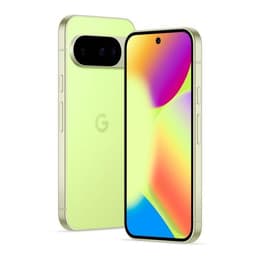
Google Pixel 10
Starting at

Refurbished price:£411.00

Versus £1,196.66 new

See options
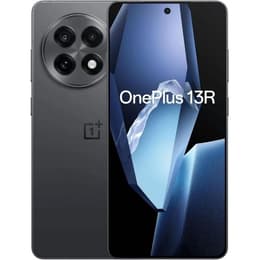
OnePlus 13R
Starting at

Refurbished price:£427.00

Versus £992.75 new

See options

Differences at a glance

The Google Pixel 10 (2025) and the OnePlus 13R (2025) are prominent smartphones designed for users seeking reliable daily performance, modern features, and strong software support. While the Google Pixel 10 focuses on clean software integration and versatile photography, the OnePlus 13R centers on extended battery stamina and responsive multitasking capabilities. Both devices run on Android operating systems with customized manufacturer interfaces, providing distinct approaches to everyday navigation.

Available Models

Colour

Storage (GB)

Scores

Durability

Evaluating the lifespan and durability of these devices involves looking at update commitments, hardware resilience, and construction standards to determine long-term reliability.

  • Software longevity: The Google Pixel 10 benefits from extended system and security updates spanning multiple years, whereas the OnePlus 13R offers a standard major upgrade path typical of performance-focused devices.
  • Build protection: Both smartphones feature robust dust and water resistance ratings, helping them withstand accidental spills and environmental exposure during daily commutes.
  • Expected lifespan: Solid internal hardware configurations ensure both models maintain efficient operation over several years of regular usage.

Year of Release

2025

2025

Compatible with latest Update

Yes

Yes

OS

Android

Android

Foldable

No

No

Performance

System performance and responsiveness dictate how smoothly each smartphone handles everyday apps, heavy multitasking, and media consumption.

  • Multitasking and storage: Equipped with substantial RAM allocations and generous base storage configurations, both devices switch between applications seamlessly without noticeable lag.
  • App loading and gaming: Current-generation internal processors handle demanding mobile games and resource-heavy software smoothly, supported by advanced thermal management to prevent overheating.
  • Battery behavior: The OnePlus 13R features a notably larger battery capacity paired with rapid charging technology, while the Google Pixel 10 relies on power-efficient processing to maintain steady all-day operation under moderate workloads.

Screen quality

Display characteristics shape the visual experience for streaming video, reading text, and interacting with user interfaces.

  • Display technology: Both models utilize vibrant OLED panels that deliver deep black levels, high contrast ratios, and sharp resolutions for clear text rendering.
  • Smoothness and responsiveness: Adaptive refresh rates up to 120Hz ensure fluid scrolling through web pages, social media feeds, and system menus.
  • Outdoor visibility: High peak brightness capabilities allow both screens to remain legible and clear even under direct sunlight.

Resolution

1080x2424

1264 x 2780

Screen type

OLED

LTPO2 Fluid AMOLED

Audiovisual

Optics and audio output define how well each phone captures memories and delivers media content during entertainment use.

  • Camera systems: The Google Pixel 10 employs advanced computational photography for balanced everyday snapshots and detailed low-light captures, while the OnePlus 13R utilizes high-resolution main sensors to capture crisp details.
  • Video and audio: Both devices support stable high-definition video recording alongside clear stereo speakers suitable for hands-free calls and casual media viewing.
  • Selfie quality: Front-facing cameras deliver clear portrait framing and reliable performance for video conferencing applications.

Front camera

42 megapixels

32 megapixels

Miscellaneous

Practical daily usability elements include connectivity standards, physical dimensions, and ergonomic design choices.

  • Connectivity and ports: Modern 5G support, fast Wi-Fi standards, and USB-C connectivity come standard on both smartphones for rapid data transfers.
  • Security sensors: Fast biometric authentication via secure facial recognition and under-display fingerprint sensors ensure quick device unlocking.
  • Physical handling: Ergonomic contours and balanced weight distribution provide comfortable one-handed operation despite large screen real estate.

Weight

204 g

201 g

Screen size (in)

6.3

6.7

Mobile network

4G

5G

SIM card

Physical SIM + eSIM

Dual Physical SIM

Carrier compatibility

Unlocked

Unlocked

Connector

USB-C

USB-C

What the community thinks

Community discussions and user feedback indicate that buyers appreciate the Google Pixel 10 for its clean software interface, reliable photographic capabilities, and long-term update commitment. Conversely, users frequently praise the OnePlus 13R for its exceptional battery longevity, rapid charging speeds, and smooth gaming performance. Some critics note that the Pixel 10 can run warm during intensive tasks, while others mention that the OnePlus 13R software interface comes with pre-installed applications that some users prefer to uninstall.

Users prioritizing photography consistency and extended software support may prefer the Google Pixel 10, while users prioritizing maximum battery endurance and fast charging will find the OnePlus 13R well-suited to their needs. For consumers exploring sustainable options, choosing a quality-assured refurbished option through platforms like Back Market provides an eco-friendly way to acquire either device with verified reliability. Ultimately, the right choice depends on individual daily habits and feature preferences.