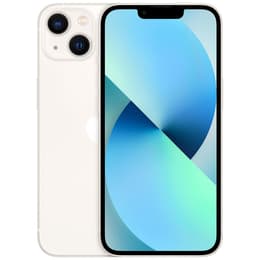

Galaxy A35 Vs iPhone 13

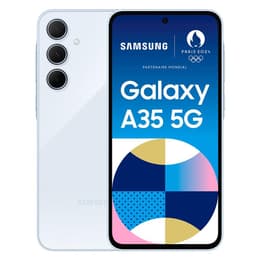
Galaxy A35
Galaxy A35
Starting at

Refurbished price:£118.00

Versus £367.31 new

See options
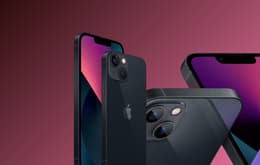
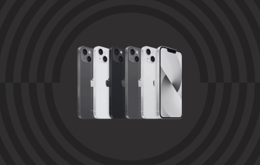
iPhone 13
iPhone 13
Starting at

Refurbished price:£204.00

Versus £599.00 new

See options

Ratings

The Samsung Galaxy A35, released in 2024, and the Apple iPhone 13, launched in 2021, represent two distinct approaches to the modern smartphone experience. While the Galaxy A35 is a contemporary mid-range device offering a large display and modern battery features, the iPhone 13 remains a capable former flagship known for its compact design and integrated software ecosystem. Choosing between these two models involves weighing the benefits of a newer release date against the enduring performance of a premium legacy device. Both run their respective latest operating systems, Android and iOS, providing distinct user interfaces and app environments tailored to different user preferences.

The primary differences lie in the physical footprint and the screen technology. The Galaxy A35 provides a much larger, more fluid viewing experience, whereas the iPhone 13 focuses on a more manageable size and high-end internal efficiency. This comparison explores how these differences impact daily use for professionals, students, and casual users alike.

Scores

Durability

The Galaxy A35 and iPhone 13 offer different perspectives on longevity based on their release cycles, build materials, and manufacturer support policies.

  • Software Support: The Galaxy A35, arriving in 2024, benefits from a long-term update commitment that ensures it receives security patches and system refreshes well into the late 2020s. The iPhone 13, despite being older, follows a tradition of extended software support, though it is naturally closer to the end of its update lifecycle than the newer Samsung.
  • Physical Resilience: The iPhone 13 features a specialised glass front and an aluminium frame with high-level water and dust resistance. The Galaxy A35 uses a modern glass composition for its screen and a robust build that is suitable for most everyday accidents, though its water resistance rating is slightly different from the iPhone.
  • Repairability and Sustainability: Both manufacturers have made strides in making components more accessible for professional technicians. Opting for a sustainable choice like a quality-assured refurbished option can further extend the useful life of these devices while reducing environmental impact.

Year of Release

2024

2021

Compatible with latest Update

Yes

Yes

OS

Android

iOS

Foldable

No

No

Performance

While the iPhone 13 is the older model, its internal hardware was originally designed for high-end tasks, whereas the Galaxy A35 is built for modern efficiency and daily reliability.

  • System Responsiveness: The iPhone 13 handles demanding applications and multitasking with a level of fluidity that remains competitive today, ensuring that transitions and app launches feel immediate. The Galaxy A35 provides a stable experience for social media, browsing, and standard productivity, though it may show more effort when running the most intensive mobile games compared to the iPhone.
  • Battery Endurance: With a physically larger battery capacity, the Galaxy A35 is designed to last through a full day of heavy use, often stretching into a second day for light users. The iPhone 13 manages its power efficiently through software optimization, but heavy users may find themselves reaching for a charger sooner than they would with the Samsung.
  • Storage and Multitasking: The Galaxy A35 often includes the option to expand storage via a memory card, a feature absent on the iPhone 13, which relies on fixed internal capacities. This makes the Samsung a flexible choice for users with large local media libraries.

Memory (GB)

6 GB

4 GB

Screen quality

The viewing experience differs significantly between these two models, primarily in terms of physical size and the smoothness of on-screen motion.

  • Display Fluidity: The Galaxy A35 features a high refresh rate, which means the screen updates the image more frequently per second, resulting in very smooth scrolling and animations. The iPhone 13 uses a standard refresh rate, which is clear and functional but lacks the extra fluid feel found on the newer Samsung model.
  • Size and Clarity: Users who prefer a larger canvas for watching videos or reading will appreciate the Galaxy A35's expansive 6.6-inch screen. Conversely, the iPhone 13 offers a more compact 6.1-inch display that is easier to navigate with one hand while still providing deep blacks and high contrast thanks to its premium panel technology.
  • Outdoor Visibility: Both devices are designed to be legible in bright sunlight, though the Galaxy A35's newer display technology allows it to reach high brightness levels that help maintain clarity during outdoor use in the middle of the day.

Resolution

1080 x 2340

1170 x 2532

Screen type

Super AMOLED

Super Retina XDR OLED

Audiovisual

Photography and video capabilities are a major point of comparison, with the iPhone 13 focusing on consistency and the Galaxy A35 offering versatility through multiple lenses.

  • Image Capture: The Galaxy A35 utilises a triple-lens system that includes a dedicated macro lens for close-up photography, providing more options for creative shots in good lighting. The iPhone 13 uses a dual-lens system that prioritises natural colour reproduction and reliable performance across various environments, particularly in low-light settings where its processing remains very effective.
  • Video Production: The iPhone 13 is widely recognised for its stable and high-quality video recording, making it a preferred choice for users who frequently capture moving memories or social media content. The Galaxy A35 produces clear video for casual use but lacks some of the advanced stabilisation found in the iPhone.
  • Audio Experience: Both devices feature stereo speakers that provide a clear sound for media consumption. The iPhone 13 is often noted for having a balanced sound profile at higher volumes, while the Galaxy A35 provides a loud and clear output suitable for speakerphone calls and casual listening.

Main camera

50 megapixels

12 megapixels

Front camera

13 megapixels

12 megapixels

Miscellaneous

Practical daily interactions, from how you unlock the phone to how you charge it, vary between these two ecosystems and hardware designs.

  • Biometric Security: The iPhone 13 uses advanced facial recognition technology to unlock the device and authorise payments, which works well in most lighting conditions. The Galaxy A35 employs a fingerprint sensor built directly into the display, offering a familiar and quick way to access the phone.
  • Connectivity and Ports: The Galaxy A35 uses the universal USB-C standard for charging and data transfer, which is compatible with most modern electronics. The iPhone 13 uses the proprietary Lightning port, which may require specific cables if you are moving from other non-Apple devices.
  • Physical Handling: Due to its larger screen, the Galaxy A35 is a taller and wider device, which might feel substantial in the hand. The iPhone 13 is noticeably smaller and lighter, making it a better fit for users who prefer a phone that fits easily into smaller pockets or is easier to use one-handed.

Weight

209 g

173 g

Width

78 cm

7,15 cm

Height

161,7 cm

13,676 cm

Depth

8,2 cm

0,75 cm

Screen size (in)

6.6

6.1

Mobile network

5G

5G

SIM card

Dual Physical SIM

Physical SIM + eSIM

Carrier compatibility

Unlocked

Unlocked

Connector

USB-C

Lightning

The choice between the Samsung Galaxy A35 and the iPhone 13 often comes down to whether a user values a modern, large-screen experience or a compact, high-performance legacy device. Based on general user feedback and forum discussions, the Galaxy A35 is frequently praised for its vibrant, smooth display and its impressive battery life, which many find helpful for long days away from a power outlet. However, some users note that while it is efficient for daily tasks, it doesn't quite match the raw processing speed of flagship models, even older ones. On the other hand, the iPhone 13 receives consistent praise for its video quality and the fact that it still feels very responsive several years after its release. A common observation regarding the iPhone 13 is its standard screen refresh rate, which some users find less modern compared to newer mid-range alternatives.

Users who prioritise a large, fluid screen for media consumption and want a device with a very recent release date for maximum future software support will likely find the Galaxy A35 to be the better fit. Those who prefer a smaller, more pocketable phone with high-quality video recording and a highly responsive interface may lean toward the iPhone 13. Choosing an eco-friendly alternative like a quality-assured refurbished option for either of these models is a practical way to obtain a reliable smartphone while supporting sustainable consumption. Ultimately, both devices are capable of handling modern mobile needs, with the Galaxy A35 focusing on contemporary display trends and the iPhone 13 offering a refined, compact experience.
See all articles

Our recent comparisons