
Compare models
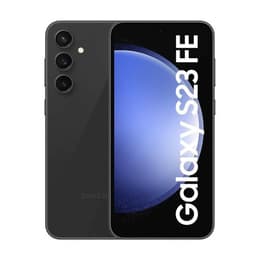
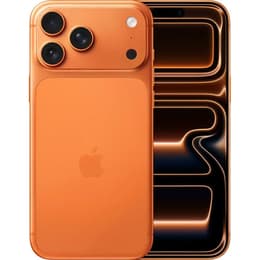
Galaxy S23 FE Vs iPhone 17 Pro Max
- 1-year minimum warranty
- Free delivery on all items
- Free 30-day returns
Differences at a glance
The Samsung Galaxy S23 FE (2023) and the Apple iPhone 17 Pro Max (2025) are high-performance smartphones originating from different product generations and operating system ecosystems. While the Galaxy S23 FE targets everyday utility through an Android interface, the iPhone 17 Pro Max operates on iOS and focuses on maximum processing capability and expansive screen space. Both devices offer distinct user experiences shaped by their release years and hardware architectures.
Available Models
Colour
Storage
Scores
Durability
When evaluating longevity, the Samsung Galaxy S23 FE and the iPhone 17 Pro Max differ significantly in age, software support horizons, and expected hardware endurance.
- Software Support Timeline: The iPhone 17 Pro Max benefits from a later release year, positioning it for a longer span of active operating system updates compared to the earlier Galaxy model.
- Build and Repairability: Both models utilize robust outer materials with dust and water resistance, though regional repair networks and component availability influence long-term maintenance ease.
- Expected Lifespan: Users can expect several years of reliable daily operation from both devices, though the newer Apple hardware retains performance headroom further into the future.
Year of Release
2023
2025
Compatible with latest Update
Yes
Yes
OS
Android
iOS
Foldable
No
No
Performance
Performance capabilities vary noticeably between the two models, driven by differences in internal processing hardware, memory capacity, and thermal management.
- Multitasking and Responsiveness: The iPhone 17 Pro Max handles heavy applications, extensive multitasking, and demanding mobile games with advanced thermal efficiency, whereas the Galaxy S23 FE manages standard daily tasks and moderate gaming smoothly.
- Storage Configurations: Multiple storage tiers are available across both devices to accommodate media libraries and applications, though neither model supports expandable physical storage via memory cards.
- Battery Behavior: The iPhone 17 Pro Max delivers extended battery endurance suitable for heavy all-day usage, while the Galaxy S23 FE provides adequate daily power that may require more frequent recharging under intensive workloads.
Screen quality
Display characteristics differ in size, technology, and visual fluidity, directly influencing media consumption and outdoor usability.
- Display Technology and Clarity: Both devices feature vibrant OLED panels with deep contrast levels and sharp resolutions, though the iPhone 17 Pro Max offers a noticeably larger viewing canvas.
- Refresh Rate and Smoothness: High refresh rate support ensures fluid scrolling, responsive touch tracking, and smooth animation transitions across both user interfaces.
- Outdoor Brightness: High peak brightness levels on both screens allow content to remain legible under direct sunlight, though maximum luminance thresholds vary by hardware generation.
Resolution
1080 x 2340
2868x1320
Screen type
Dynamic AMOLED 2X
Super Retina XDR
Audiovisual
Imaging hardware and media output capabilities reflect different design priorities for photography, video recording, and audio playback.
- Camera System Versatility: The iPhone 17 Pro Max utilizes high-resolution sensors across its multi-lens array for detailed wide and zoomed photography, while the Galaxy S23 FE employs a triple-lens setup suited for everyday snapshots and optical zoom.
- Video Recording: Advanced video stabilization and professional recording formats give the Apple device an advantage for content creation, whereas the Samsung model captures crisp, stable clips for general use.
- Audio Output: Stereo speaker setups on both smartphones provide clear sound reproduction for calls and media streaming, though spatial depth and maximum volume differ.
Main camera
50 megapixels
48 megapixels
Front camera
10 megapixels
18 megapixels
Miscellaneous
Practical physical and connectivity attributes shape daily handling, accessory compatibility, and network integration.
- Connectivity Standards: Both models support modern 5G cellular networks, high-speed Wi-Fi protocols, and current Bluetooth versions for reliable peripheral pairing.
- Physical Ports and Build: The iPhone 17 Pro Max utilizes a USB-C port alongside aluminum unibody construction, while the Galaxy S23 FE features a USB-C port housed within a glass and metal frame.
- Security and Dimensions: Biometric authentication is handled via facial recognition on the Apple device and an in-display fingerprint sensor on the Samsung model, with the iPhone presenting a larger and heavier physical footprint.
Weight
209 g
233 g
Screen size (in)
6.4
6.9
Mobile network
5G
5G
SIM card
Physical SIM
Physical SIM + eSIM
Carrier compatibility
Unlocked
Unlocked
What the community thinks
User feedback from online communities highlights distinct preferences for each smartphone. Owners of the Galaxy S23 FE frequently praise its manageable physical dimensions, reliable daily performance, and balanced feature set. Conversely, users of the iPhone 17 Pro Max often commend its exceptional battery longevity, expansive display estate, and advanced video recording tools. Common criticisms for the Samsung model focus on moderate battery endurance under heavy workloads, while the iPhone is occasionally noted for its substantial physical weight and large footprint.
Users prioritizing a compact form factor and an Android interface will find the Galaxy S23 FE well-suited to their daily routines. Meanwhile, users prioritizing maximum display space, high-tier processing power, and extended software support will lean toward the iPhone 17 Pro Max. For those seeking a quality-assured refurbished option, exploring certified pre-owned devices provides an eco-friendly alternative that aligns with sustainable purchasing habits.