
Compare models
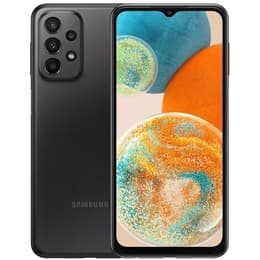
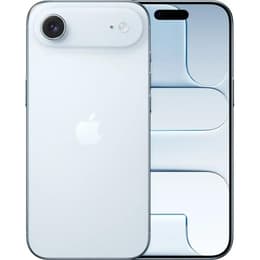
Galaxy A23 5G Vs iPhone Air
- 1-year minimum warranty
- Free delivery on all items
- Free 30-day returns
Differences at a glance
The Samsung Galaxy A23 5G (2022) and the Apple iPhone Air (2025) represent different eras and tiers in mobile technology, contrasting an accessible everyday Android device with a high-end, ultra-slim iOS smartphone. While both offer modern mobile connectivity, they target distinct market segments through contrasting hardware designs and operating systems. Choosing between them involves weighing device age, build philosophy, and software ecosystems.
Available Models
Colour
Storage
Scores
Durability
The Galaxy A23 5G and the iPhone Air differ significantly in their release timelines, hardware durability standards, and remaining software support windows.
- Release timeline and software support: The Galaxy A23 5G debuted in late 2022 running Android, whereas the iPhone Air launched in late 2025 running iOS. Consequently, the iPhone Air maintains a much longer future update window.
- Build materials and physical protection: The Galaxy A23 5G relies on a plastic frame and back panel with glass front protection, while the iPhone Air features a rigid titanium frame and strengthened glass panels. Both devices offer daily durability, though the newer Apple model benefits from advanced moisture and dust resistance ratings.
Year of Release
2022
2025
Compatible with latest Update
Yes
Yes
OS
Android
iOS
Foldable
No
No
Performance
Performance and multitasking capabilities vary notably, reflecting the generational gap and different hardware tiers between these two devices.
- System responsiveness and multitasking: The iPhone Air handles intensive applications, demanding mobile games, and rapid background app switching smoothly thanks to its high-performance processor and generous memory capacity. The Galaxy A23 5G manages standard daily tasks like web browsing, messaging, and media streaming reliably, though heavy multitasking or complex apps may load at a more measured pace.
- Battery behavior and storage: The Galaxy A23 5G incorporates a large capacity battery paired with efficient mid-range components to comfortably clear a full day of typical usage, alongside expandable storage via a memory card slot. The iPhone Air utilizes an energy-efficient design within an extremely thin chassis, relying on fixed internal storage configurations and daily charging habits for heavy usage routines.
Screen quality
Display technologies and viewing experiences differ between the two models, impacting media consumption, outdoor legibility, and visual smoothness.
- Display panel and clarity: The iPhone Air features an advanced OLED display with high resolution, deep contrast levels, and a wide color spectrum for vibrant media viewing. The Galaxy A23 5G is equipped with a functional display that offers clear text and everyday usability, though with standard contrast and color depth compared to flagship panels.
- Brightness and refresh rates: The iPhone Air supports high peak outdoor brightness levels and an adaptive refresh rate reaching up to 120Hz for fluid scrolling. The Galaxy A23 5G also features a high refresh rate display for smooth visual transitions, though it operates at lower peak luminance levels under bright sunlight.
Resolution
1080 x 2408
2736x1260
Screen type
PLS LCD
Super Retina XDR
Audiovisual
Camera systems and multimedia outputs cater to different photography expectations and audio preferences.
- Camera versatility: The iPhone Air utilizes a high-resolution single rear camera system supported by advanced computational processing for detailed everyday photos, balanced low-light captures, and high-definition video recording. The Galaxy A23 5G features a multi-lens rear array that provides basic flexibility for standard snapshots and macro framing, though with more limited low-light performance.
- Audio and media output: The iPhone Air delivers clear sound through its speaker arrangement alongside a high-quality front-facing camera optimized for video calls. The Galaxy A23 5G provides standard mono or multimedia speaker output adequate for casual viewing and calls.
Main camera
50 megapixels
48 megapixels
Front camera
8 megapixels
18 megapixels
Miscellaneous
Practical daily usability elements such as connectivity standards, physical dimensions, and security sensors shape the overall user experience.
- Connectivity and ports: Both smartphones support modern mobile networks, with the iPhone Air adopting advanced wireless standards alongside a reversible data port. The Galaxy A23 5G retains a traditional audio jack alongside standard connectivity options.
- Physical handling and security: The iPhone Air stands out for its exceptionally slim and lightweight titanium profile paired with facial recognition security. In contrast, the Galaxy A23 5G features a slightly thicker, heavier plastic build incorporating a side-mounted fingerprint sensor for quick unlocking.
Weight
197 g
165 g
Screen size (in)
6.6
6.5
Mobile network
5G
5G
SIM card
Dual Physical SIM
eSIM
Carrier compatibility
Unlocked
Unlocked
Connector
USB-C + Jack 3.5mm
USB-C
What the community thinks
User feedback highlights distinct preferences for each device across community forums. Owners of the Galaxy A23 5G frequently praise its dependable battery life, expandable storage slot, and reliable everyday communication performance. Common criticisms center on its heavier plastic construction and slower processing speeds during demanding tasks. Meanwhile, users of the iPhone Air widely commend its strikingly thin, lightweight form factor, premium build materials, and fluid display quality. Frequent concerns for the Apple device focus on its shorter battery endurance relative to thicker models and the absence of multiple rear camera lenses.
Users prioritizing an exceptionally lightweight design, high-end display fluidity, and long-term software support will find the iPhone Air well-suited to their needs. Conversely, users seeking a practical, budget-conscious Android device with expandable storage and reliable daily battery endurance may prefer the Galaxy A23 5G. For those exploring sustainable hardware choices, a quality-assured refurbished option provides a practical way to acquire these devices while minimizing environmental impact.