Galaxy S23 Vs iPhone 17

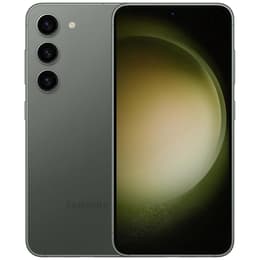
Galaxy S23
Galaxy S23
Starting at

Refurbished price:£186.84

Versus £1,019.00 new

See options
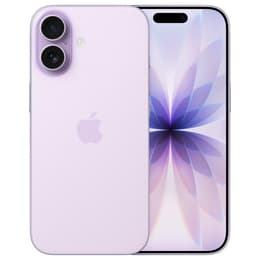
iPhone 17
iPhone 17
Starting at

Refurbished price:£689.00

Versus £799.00 new

See options

Ratings

The Samsung Galaxy S23, released in early 2023, and the Apple iPhone 17, expected in late 2025, represent flagship smartphones from their respective ecosystems. While both offer premium mobile experiences, they differ significantly in their operating systems, release timelines, and the technological advancements introduced with each generation. The Galaxy S23 runs on Android, offering extensive customization, while the iPhone 17 operates on Apple's iOS, known for its streamlined user experience and tight ecosystem integration.

Scores

Durability

When considering longevity, the release timeline plays a significant role in software support and practical lifespan.

  • Software Updates: The iPhone 17, being a newer device, is expected to receive major iOS updates for a longer period, typically 6-7 years from its release. The Galaxy S23, launched in 2023, is projected to receive 4-5 years of Android OS updates, extending its support until around 2027-2028.
  • Physical Durability: Both devices feature robust builds with strong glass and metal frames, offering IP68 water and dust resistance. The iPhone 17 is likely to incorporate Apple's latest Ceramic Shield technology, while the Galaxy S23 uses Gorilla Glass Victus 2, both providing good scratch and drop protection.
  • Practical Lifespan: Users can expect both phones to remain fully functional for several years. However, the iPhone 17 will benefit from a longer period of official software and security updates, potentially making it a more future-proof option for those prioritizing extended software longevity.

Year of Release

2023

2025

Compatible with latest Update

Yes

Yes

OS

Android

iOS

Foldable

No

No

Performance

Performance differences between these two devices stem primarily from their generational gap and distinct hardware architectures.

  • Everyday Responsiveness: The iPhone 17 is anticipated to feature Apple's latest-generation processor, offering a significant leap in raw computing power compared to the Galaxy S23's 2023 flagship processor. This translates to faster app loading, smoother transitions, and more efficient handling of demanding applications and games on the iPhone 17.
  • Multitasking & Gaming: While the Galaxy S23 handles multitasking and graphically intensive games very well, the iPhone 17's newer hardware will provide more headroom for future applications and more fluid performance during heavy multitasking or extended gaming sessions.
  • Storage & Battery: Both devices offer various storage configurations. The iPhone 17 is expected to feature improved battery efficiency and potentially larger capacities, leading to longer usage times compared to the Galaxy S23, which offers a full day of use for most users.

Memory (GB)

8 GB

8 GB

Screen quality

Both smartphones deliver excellent visual experiences, though with some distinctions in their display technologies and characteristics.

  • Display Technology: Both the Galaxy S23 and the iPhone 17 utilize advanced OLED display panels, known for their deep blacks, high contrast, and vibrant color reproduction. The iPhone 17 is expected to feature Apple's ProMotion technology, offering an adaptive refresh rate up to 120Hz, a feature also present on the Galaxy S23.
  • Brightness & Clarity: The Galaxy S23 offers excellent peak brightness, making it comfortable to view even in direct sunlight. The iPhone 17 is anticipated to further enhance brightness levels and potentially offer improved color accuracy, providing a slightly more refined viewing experience.
  • Screen Size & Experience: The Galaxy S23 features a 6.1-inch display, offering a compact form factor. The iPhone 17 is also expected to maintain a similar screen size, providing a comfortable one-handed experience while delivering immersive visuals for media consumption and daily tasks.

Resolution

1080 x 2340

2622x1206

Screen type

Dynamic AMOLED 2X

Super Retina XDR

Audiovisual

Camera capabilities are a strong point for both devices, with each offering advanced systems for photography and videography.

  • Photography Performance: The Galaxy S23 features a versatile triple-camera system, including a high-resolution main sensor, an ultrawide lens, and a telephoto lens with optical zoom, delivering detailed photos in various conditions. The iPhone 17 is expected to build upon Apple's strong computational photography, potentially featuring larger sensors, improved low-light performance, and enhanced detail capture across its main, ultrawide, and telephoto lenses.
  • Video Recording: Both phones excel in video recording, offering high-resolution capture with advanced stabilization. The iPhone 17 is likely to introduce further refinements in video quality, dynamic range, and cinematic features, maintaining Apple's reputation for strong video capabilities.
  • Audio Experience: Both devices provide stereo speakers for an immersive audio experience during media playback. Microphone quality for calls and video recording is generally excellent on both, ensuring clear voice capture.

Main camera

50 megapixels

48 megapixels

Front camera

12 megapixels

18 megapixels

Miscellaneous

Beyond core features, several practical elements differentiate the user experience of these two devices.

  • Connectivity: Both the Galaxy S23 and the iPhone 17 support 5G cellular networks for fast mobile data. The Galaxy S23 includes Wi-Fi 6E and Bluetooth 5.3, while the iPhone 17 is expected to feature newer standards like Wi-Fi 7 and an updated Bluetooth version, offering potentially faster and more stable wireless connections.
  • Ports & Biometrics: The Galaxy S23 uses a USB-C port for charging and data transfer and features an ultrasonic in-display fingerprint sensor. The iPhone 17 is also expected to utilize a USB-C port and will continue to rely on Face ID for secure facial recognition.
  • Design & Handling: The Galaxy S23 has a sleek design with flat edges and a comfortable grip. The iPhone 17 is anticipated to maintain Apple's modern design language, potentially with refinements in materials or button placement, offering a premium feel and balanced weight for daily handling.

Weight

350 g

177 g

Screen size (in)

6.1

6.3

Mobile network

5G

5G

SIM card

Physical SIM + eSIM

Physical SIM + eSIM

Carrier compatibility

Unlocked

Unlocked

Connector

USB-C

USB-C

Choosing between the Samsung Galaxy S23 and the iPhone 17 largely depends on individual preferences for operating systems and the priority given to the latest technological advancements. Users who prefer the Android ecosystem, value a compact design, and appreciate features like an in-display fingerprint sensor will find the Galaxy S23 to be a highly capable and reliable device, still performing strongly several years after its release.

On the other hand, those who are invested in the Apple ecosystem, prioritize the absolute latest in mobile processing power, desire the longest possible software support, and seek cutting-edge camera and video capabilities will likely lean towards the iPhone 17. Its newer release date inherently brings generational improvements in performance and efficiency.

Ultimately, both phones offer premium experiences. The decision comes down to whether the user prioritizes the established strengths of a slightly older, but still excellent, Android flagship or the forward-looking features and extended longevity of a newer iOS device. For those looking for a more sustainable choice, considering quality-assured refurbished options for either model can provide excellent value and an eco-friendly alternative.

See all articles

Our recent comparisons