
Google Pixel 7 Pro Vs iPhone 12 Pro Max

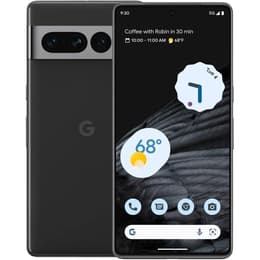
Google Pixel 7 Pro
Google Pixel 7 Pro
Starting at

Refurbished price:£169.75

Versus £899.99 new

See options
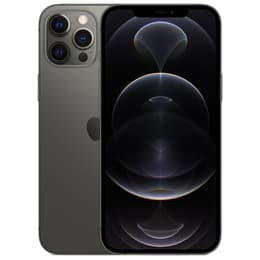
iPhone 12 Pro Max
iPhone 12 Pro Max
Starting at

Refurbished price:£236.00

Versus £979.00 new

See options

Ratings

The Google Pixel 7 Pro (2022) and the iPhone 12 Pro Max (2020) represent two different eras of flagship smartphone design, yet both remain highly relevant for users seeking large-screen experiences. While the Pixel 7 Pro showcases Google's vision of an AI-integrated Android experience, the iPhone 12 Pro Max continues to be a staple for those invested in the Apple ecosystem. These devices cater to professionals and creative users who require expansive displays and versatile camera systems for their daily tasks.

The primary distinction between these two models lies in their software philosophy and the two-year gap in their release dates. The Pixel 7 Pro focuses on automated, intelligent features that simplify user interactions, whereas the iPhone 12 Pro Max emphasizes consistent performance and high-quality video recording. Both smartphones offer robust build quality and remain capable of running modern applications smoothly in 2026.

Scores

Durability

When evaluating how long these devices will remain functional and secure, the release timeline and manufacturer support policies play a crucial role.

  • Software Longevity: The Pixel 7 Pro was released in late 2022 and is supported with security updates until at least 2027, providing a clear path for several more years of safe usage. The iPhone 12 Pro Max, despite its 2020 launch, benefits from Apple's historically long support cycles, typically receiving major updates for six to seven years, which places its expected software sunset around the same period as the Pixel.
  • Physical Durability and Repair: Both phones utilize premium materials like glass and metal, though the iPhone 12 Pro Max features a stainless steel frame and Ceramic Shield glass for enhanced structural rigidity. The Pixel 7 Pro uses a polished aluminium frame and Gorilla Glass Victus. In terms of maintenance, the Pixel benefits from a partnership that provides easier access to official replacement parts for independent repair shops, while the iPhone has a vast global network of service providers.
  • Practical Lifespan: Users can expect both devices to handle daily operations reliably for the foreseeable future. The iPhone's hardware was designed with significant performance headroom, allowing it to age gracefully, while the Pixel's newer internal components ensure it stays compatible with evolving software standards.

Year of Release

2022

2020

Compatible with latest Update

Yes

Yes

OS

Android

iOS

Foldable

No

No

Performance

Performance on these devices is less about raw numbers and more about how they handle multitasking, gaming, and everyday productivity apps.

  • System Responsiveness: The Pixel 7 Pro is designed to excel at machine-learning tasks, such as instant voice-to-text and real-time language translation, making it feel highly intuitive for communication. The iPhone 12 Pro Max remains remarkably fluid, with a focus on consistent frame rates and rapid app switching that feels stable even when the system is under heavy load from video editing or high-end gaming.
  • Battery Efficiency: The Pixel 7 Pro houses a large battery that comfortably supports a full day of typical use, though intensive tasks like 5G navigation can impact its endurance. The iPhone 12 Pro Max is noted for its excellent standby management, meaning it loses very little charge when sitting idle, though its total capacity is physically smaller than the Pixel's.
  • Multitasking Capabilities: With ample memory for background tasks, the Pixel 7 Pro allows users to keep many apps open simultaneously without frequent reloading. The iPhone 12 Pro Max uses a different approach to memory management that prioritizes the active application, ensuring that the user interface never feels sluggish during transitions.

Memory (GB)

12 GB

6 GB

Screen quality

The display is the primary interface for any smartphone, and these two models offer different technologies that impact visual smoothness and clarity.

  • Motion and Refresh Rate: A standout feature of the Pixel 7 Pro is its high refresh rate display, which can reach 120Hz. This results in much smoother scrolling and animations compared to the iPhone 12 Pro Max, which is limited to a standard 60Hz refresh rate. Users who spend a lot of time reading long articles or scrolling through feeds will notice the added fluidity on the Google device.
  • Display Technology: Both phones use advanced organic LED panels that provide deep blacks and vibrant color reproduction. The Pixel 7 Pro offers a slightly higher resolution, resulting in sharper text for professional documents. The iPhone 12 Pro Max features a Super Retina XDR display that is highly regarded for its color accuracy, making it a reliable choice for photographers who need to review their shots on the go.
  • Outdoor Visibility: Both screens are designed to be legible in bright environments. The Pixel 7 Pro can reach high peak brightness levels for short periods, while the iPhone 12 Pro Max maintains a very consistent and bright viewing experience that is well-suited for outdoor photography and navigation.

Resolution

1440 x 3120

1284 x 2778

Screen type

LTPO AMOLED

Super Retina XDR OLED

Audiovisual

While both devices feature triple-camera arrays, they are tuned for different types of photography and video capture.

  • Still Photography and Zoom: The Pixel 7 Pro is often preferred for still images, particularly in difficult lighting conditions. Its 5x optical zoom lens allows for clear photos of distant subjects, and its software includes tools like Macro Focus for close-up shots and Magic Eraser for removing distractions from the background.
  • Video Recording and Stability: The iPhone 12 Pro Max is a favorite among mobile videographers due to its exceptional stabilization and the ability to record in Dolby Vision. The transition between its ultra-wide, wide, and 2.5x telephoto lenses is seamless, providing a professional look to video projects. Its LiDAR scanner also assists with faster autofocus in low-light settings.
  • Audio and Media: Both devices provide clear stereo sound through their speaker systems, making them suitable for watching videos or taking hands-free calls. The microphone arrays on both models are designed to filter out background noise, ensuring that voice recordings and video calls remain clear even in moderately loud environments.

Main camera

50 megapixels

12 megapixels

Front camera

10.8 megapixels

12 megapixels

Miscellaneous

Practical considerations such as connectivity, ports, and physical handling often dictate the daily user experience.

  • Biometrics and Security: The iPhone 12 Pro Max uses FaceID, a secure facial recognition system that works well in most conditions. The Pixel 7 Pro offers more versatility by including both an under-display fingerprint sensor and a face unlock feature, giving users the freedom to choose their preferred security method depending on the situation.
  • Connectivity and Ports: Both smartphones support 5G for fast mobile data and include modern Wi-Fi and Bluetooth standards. The Pixel 7 Pro uses a universal USB-C port for charging and data transfer, which is compatible with most modern laptops and accessories. The iPhone 12 Pro Max uses the proprietary Lightning port, which may require specific cables if you are not already in the Apple ecosystem.
  • Weight and Ergonomics: These are large, heavy devices. The iPhone 12 Pro Max has a more industrial feel with its flat edges and stainless steel construction, while the Pixel 7 Pro has curved edges that some users find more comfortable to hold, despite its similar overall footprint.

Weight

212 g

226 g

Screen size (in)

6.7

6.7

Mobile network

5G

5G

SIM card

Physical SIM + eSIM

Physical SIM + eSIM

Carrier compatibility

Unlocked

Unlocked

In summary, the choice between the Google Pixel 7 Pro and the iPhone 12 Pro Max depends largely on a user's specific priorities and ecosystem preferences. Based on common feedback from user forums, the Pixel 7 Pro is frequently praised for its intelligent software features and its ability to capture detailed still photos with ease. However, some users have noted that it can run warm during very intensive tasks. The iPhone 12 Pro Max is consistently lauded for its exceptional build quality and the reliability of its video recording, though some users find the 60Hz screen feels less modern than newer high-refresh-rate alternatives.

Users who prioritize the latest display technology, smooth scrolling, and advanced AI-driven photo editing will likely find the Pixel 7 Pro to be the better fit for their needs. On the other hand, users who value video production, a robust stainless steel design, and the seamless integration of iOS may lean toward the iPhone 12 Pro Max. Both devices remain powerful and capable choices in 2026.

Choosing a quality-assured refurbished option for either of these models is an eco-friendly alternative that helps reduce electronic waste. Both the Pixel and the iPhone are built to last, making them excellent candidates for a sustainable choice that provides a high-end experience without the need for a brand-new device. Ultimately, both smartphones offer a premium experience that will satisfy the needs of most modern users.

See all articles

Our recent comparisons