
Samsung
Compare models
Differences at a glance
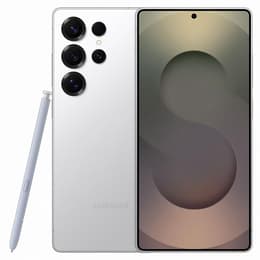
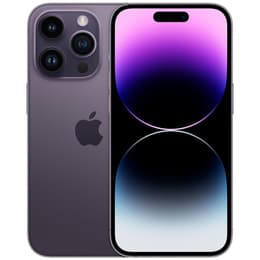
The Samsung Galaxy S25 Ultra (2025) and the Apple iPhone 14 Pro (2022) represent two distinct eras of flagship smartphone technology. While the Galaxy S25 Ultra is a recent release focusing on a large-screen experience with integrated productivity tools, the iPhone 14 Pro remains a popular choice for those who prefer a more compact form factor within the iOS ecosystem. These devices cater to distinct user needs, ranging from professional creative tasks to streamlined daily communication. Both run on their respective latest operating systems—Android and iOS—providing users with different ecosystems for apps, security, and customisation. This comparison explores how these two generations of hardware meet different user requirements in the modern landscape.
Colour
Storage
The Galaxy S25 Ultra and the iPhone 14 Pro differ significantly in their release timelines, which impacts their long-term software support and practical lifespan. The Galaxy S25 Ultra, being a 2025 release, is built to receive software updates for many years, with the manufacturer promising seven years of security and operating system updates. This ensures the device remains secure and functional well into the early 2030s. In contrast, the iPhone 14 Pro was released in 2022. While Apple is known for long-term software support, this model has already moved through several years of its expected update cycle, meaning its remaining support window is naturally shorter than that of the newer Samsung model.
Year of Release
OS
Foldable
In terms of daily operation, both devices handle demanding tasks with ease, though they cater to different usage patterns and multitasking needs. The Galaxy S25 Ultra is equipped with hardware that excels in heavy multitasking and professional productivity, aided by its integrated stylus for precise input and a larger amount of memory for background tasks. The iPhone 14 Pro focuses on a fluid and responsive user interface, with software that is highly optimised for its internal components to ensure consistent performance. Battery performance also varies, as the larger frame of the Galaxy allows for a higher capacity battery that typically supports extended use during intensive workdays compared to the more compact iPhone.
The display experience is one of the most noticeable differences between these two smartphones, affecting both portability and media consumption. The Galaxy S25 Ultra features a massive 6.9-inch screen using advanced display technology that provides high brightness and reduced reflections, making it clear even in direct sunlight. The iPhone 14 Pro uses a smaller 6.1-inch display that is easier to navigate with one hand and fits more comfortably in smaller pockets. It introduces a unique interface element at the top of the screen that changes shape to show notifications and background activity, providing a different way to interact with the device compared to the traditional full-screen approach.
Resolution
Screen type
Photography and video capabilities are central to both devices, though they offer different strengths for different types of creators. The Galaxy S25 Ultra features a versatile camera system with a high-resolution main sensor and powerful zoom capabilities that allow for clear photos of distant subjects. The iPhone 14 Pro is often praised for its natural colour reproduction and professional-grade video recording features, making it a popular choice for mobile videographers who value stability and ease of use. Both devices include multiple lenses, such as ultra-wide and telephoto options, to provide flexibility in various shooting environments, from tight indoor spaces to wide landscapes.
Front camera
Practical features like connectivity and physical ports also distinguish these two models in everyday use. The Galaxy S25 Ultra uses a universal USB-C port for charging and data transfer, and it includes an integrated stylus that slides into the body of the phone for easy access. The iPhone 14 Pro uses a proprietary Lightning port and features a sophisticated facial recognition system for security. In terms of connectivity, the Galaxy S25 Ultra supports the latest wireless standards, which may offer faster speeds on compatible networks compared to the slightly older standards found in the iPhone 14 Pro, which was released three years earlier.
Weight
Screen size (in)
Mobile network
SIM card
Carrier compatibility
Connector
When looking at user feedback from various tech communities, the Galaxy S25 Ultra is frequently commended for its expansive, high-quality display and the versatility of its zoom camera. Some users, however, find its large size a bit cumbersome for one-handed use. The iPhone 14 Pro is often highlighted for its reliable performance and the convenience of its more compact frame, though some users note that the older port type is less convenient as more devices transition to universal standards. Choosing between these two depends largely on individual priorities. Users who prioritise a large screen for productivity, creative work with a stylus, and the latest hardware innovations may find the Galaxy S25 Ultra to be the better fit. Conversely, users who prefer a more manageable size, a familiar software ecosystem, and consistent video quality might lean toward the iPhone 14 Pro. Choosing a quality-assured refurbished option allows users to access these high-end features while supporting a more circular economy. Opting for a sustainable choice through refurbishment ensures the device undergoes rigorous testing before reaching the user, providing a reliable experience regardless of which model is selected. Both smartphones remain highly capable tools for modern life, offering distinct paths to a premium mobile experience.