
Google Pixel 6 Vs iPhone 11 Pro

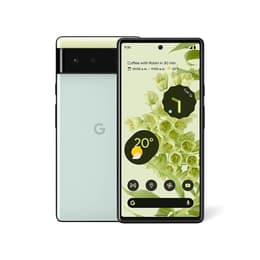
Google Pixel 6
Google Pixel 6
Starting at

Refurbished price:£101.00

Versus £649.99 new

See options
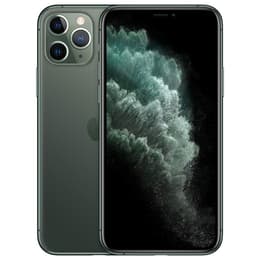
iPhone 11 Pro
iPhone 11 Pro
Starting at

Refurbished price:£151.00

Versus £639.00 new

See options

Ratings

The Google Pixel 6, released in 2021, and the iPhone 11 Pro, launched in 2019, represent two distinct eras of smartphone evolution. While the Pixel 6 introduced a bold new design language and Google's first custom-designed internal hardware, the iPhone 11 Pro remains a classic example of Apple's focus on compact, high-performance engineering. These devices cater to different user preferences, with the Pixel offering a modern, software-forward Android experience and the iPhone providing a refined, integrated iOS environment.

The primary differentiators between these two models are their physical dimensions and display technology. The Pixel 6 is a significantly larger device with a focus on automated software features, whereas the iPhone 11 Pro is one of the last flagship-tier smartphones to offer a truly compact form factor without sacrificing camera versatility. As we evaluate these devices in 2026, their respective software ecosystems and hardware longevity play a crucial role in determining which remains a practical choice for today's mobile needs.

Scores

Durability

When considering how long these devices will remain functional and secure, the two-year gap in their release dates creates a notable difference in their expected software lifespans.

  • Software Longevity: The Pixel 6 was launched with a promise of five years of security updates, meaning it remains supported through late 2026, whereas the iPhone 11 Pro is reaching the end of its official iOS update cycle, which typically lasts six to seven years from the launch date.
  • Physical Resilience: The iPhone 11 Pro is constructed with a stainless steel frame that offers high resistance to bending and impacts, while the Pixel 6 utilizes a standard aluminium frame and durable glass that holds up well against daily wear and tear.
  • Repair Accessibility: Both smartphones benefit from established repair networks, though the iPhone 11 Pro often has more widely available third-party components for common fixes like battery replacements and screen repairs due to its long-term popularity in the market.

Year of Release

2021

2019

Compatible with latest Update

Yes

Yes

OS

Android

iOS

Foldable

No

No

Performance

Performance in daily tasks is handled differently by each device, with one focusing on intelligent automation and the other on consistent, efficient execution of applications.

  • System Responsiveness: The Pixel 6 excels at tasks involving real-time processing, such as instant voice-to-text typing and live translation, providing a fluid experience for users who rely on smart assistant features throughout the day.
  • Multitasking Capabilities: With a higher amount of temporary memory, the Pixel 6 can keep more applications active in the background, while the iPhone 11 Pro uses highly optimized software to ensure that switching between essential apps remains smooth even years after its release.
  • Battery Behavior: In typical use cases, the Pixel 6 relies on its larger physical battery capacity to power its bigger screen, whereas the iPhone 11 Pro is known for its conservative power draw, often lasting a full workday for users who prioritize messaging and web browsing over heavy media consumption.

Memory (GB)

8 GB

4 GB

Screen quality

The visual experience is one of the most immediate differences between these two smartphones, affecting everything from outdoor visibility to the smoothness of animations.

  • Display Smoothness: The Pixel 6 features a 90Hz refresh rate, which makes scrolling through social media feeds and navigating menus feel noticeably more responsive and fluid compared to the standard 60Hz screen on the iPhone 11 Pro.
  • Viewing Experience: Both devices use OLED technology to provide deep blacks and vibrant colours, but the iPhone 11 Pro is specifically calibrated for high colour accuracy, making it a reliable tool for those who frequently review and edit photos on their device.
  • Size and Ergonomics: The 6.4-inch display of the Pixel 6 offers a much larger canvas for watching videos and gaming, while the 5.8-inch screen of the iPhone 11 Pro is ideal for users who prefer a device that is easy to navigate with a single hand.

Resolution

1080 x 2400

1125 x 2436

Screen type

AMOLED

Super Retina XDR OLED

Audiovisual

Photography enthusiasts will find that these two models offer different strengths, particularly regarding lens variety and the way images are processed.

  • Lens Configuration: The iPhone 11 Pro features a triple-camera system that includes a dedicated telephoto lens for clearer zoomed-in shots, a feature the standard Pixel 6 lacks, though the Pixel's main sensor captures significantly more light for detailed everyday photos.
  • Image Processing: Google's approach focuses on high-contrast, sharp images with excellent shadow detail, while the iPhone 11 Pro tends to produce more natural, true-to-life colours that many users find preferable for skin tones and portraits.
  • Video and Audio: The iPhone 11 Pro is widely regarded for its stable and consistent video recording across all three lenses, while the Pixel 6 offers advanced audio recording features that help isolate the subject's voice from background noise during filming.

Main camera

50 megapixels

12 megapixels

Front camera

8 megapixels

12 megapixels

Miscellaneous

Beyond the core specifications, several practical features influence how these devices fit into a user's daily routine and connectivity needs.

  • Connectivity Standards: The Pixel 6 supports 5G networks, allowing for faster download speeds and better performance in crowded areas, whereas the iPhone 11 Pro is limited to 4G LTE connectivity, which may be a consideration for users in high-speed data zones.
  • Biometric Security: Users of the iPhone 11 Pro rely on facial recognition for secure access, which is generally seamless but requires a clear view of the face, while the Pixel 6 uses a fingerprint sensor located under the display glass for a more traditional unlocking method.
  • Build and Handling: The iPhone 11 Pro is notably lighter and more compact, making it comfortable for long phone calls, while the Pixel 6 has a more substantial weight and a unique horizontal camera bar that prevents the phone from wobbling when placed on a flat surface.

Weight

207 g

188 g

Screen size (in)

6.4

5.8

Mobile network

5G

4G

SIM card

Physical SIM + eSIM

Physical SIM + eSIM

Carrier compatibility

Unlocked

Unlocked

Choosing between the Google Pixel 6 and the iPhone 11 Pro involves balancing the desire for modern connectivity against the preference for a compact, proven design. Based on common feedback found in user forums, the Pixel 6 is frequently celebrated for its helpful software innovations and its ability to take striking photos with minimal effort. However, some users have noted that its larger size can be a challenge for those with smaller hands. Conversely, the iPhone 11 Pro is often praised for its enduring build quality and the fact that it remains a highly capable device despite its age, though the lack of 5G and its aging battery health are frequent points of discussion among long-term owners.

Users who prioritize a large, smooth display and the latest Android features will likely find the Pixel 6 to be the more suitable choice for their lifestyle. On the other hand, those who value a compact form factor and a versatile triple-camera system may find the iPhone 11 Pro more aligned with their needs. Opting for a quality-assured refurbished option is an eco-friendly alternative that allows users to access these high-quality devices while supporting a more sustainable choice for the planet. Ultimately, both smartphones offer a reliable experience, with the Pixel 6 leaning toward modern utility and the iPhone 11 Pro focusing on classic, premium ergonomics.


See all articles

Our recent comparisons