Compare models
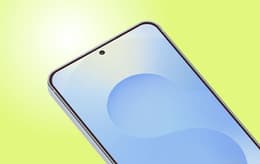
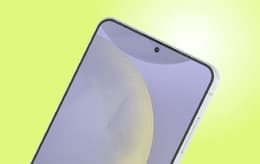
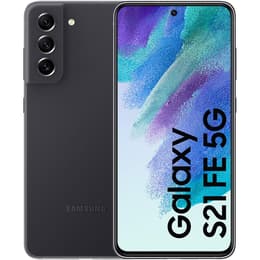
Galaxy S21 FE 5G Vs Galaxy S25 FE
- 1-year minimum warranty
- Free delivery on all items
- Free 30-day returns
Differences at a glance
The Samsung Galaxy S21 FE 5G (2022) and the Galaxy S25 FE (2025) represent different generations of Samsung's fan-focused smartphone lineup, bridging the gap between flagship capabilities and streamlined design. While both devices run on the Android operating system with Samsung's custom interface, the newer model introduces generational upgrades in processing power, battery sizing, and software longevity. Understanding how these features compare helps users choose the device that best fits their daily routine.
Available Models
Colour
Storage
Scores
Durability
When comparing longevity and durability, the Galaxy S21 FE 5G and Galaxy S25 FE reflect their respective release timelines and differing support windows.
- Software support timeline: The Galaxy S25 FE benefits from a much extended update schedule, receiving Android system upgrades and security patches for several years beyond its older counterpart.
- Repairability and build materials: Both smartphones feature robust aluminum frames and water resistance ratings, though normal wear over time means older models approach the end of their official patch cycles sooner.
- Expected practical lifespan: Users seeking a device that stays current with software standards for a longer duration will find the newer model better positioned for long-term daily use.
Year of Release
2022
2025
Compatible with latest Update
Yes
Yes
OS
Android
Android
Foldable
No
No
Performance
Performance capabilities vary noticeably between these two generations, affecting multitasking, gaming, and daily energy efficiency.
- System speed and multitasking: The Galaxy S25 FE handles demanding apps, heavy multitasking, and modern mobile games with noticeably smoother frame rates and quicker loading times than the older generation.
- Battery behavior: The Galaxy S25 FE includes a larger physical battery capacity paired with power-efficient components, whereas the Galaxy S21 FE 5G requires more frequent recharging during intensive usage days.
- Storage configurations: Both models offer practical baseline storage tiers, though the newer device provides higher maximum capacities for users who store large media libraries locally.
Screen quality
Both smartphones deliver bright, responsive viewing experiences, though physical dimensions and panel technologies have evolved.
- Display size and immersion: The Galaxy S25 FE features a larger screen real estate suited for media consumption and document viewing, while the Galaxy S21 FE 5G offers a more compact footprint that is easier to handle with one hand.
- Brightness and outdoor visibility: Both models incorporate vibrant AMOLED panels with high refresh rates for smooth scrolling, but the newer generation achieves higher peak brightness levels for comfortable outdoor reading under direct sunlight.
- Visual smoothness: Dynamic refresh rate handling on the newer model preserves battery efficiency during static tasks compared to the fixed high refresh rate behavior on the older device.
Audiovisual
Photography and media recording capabilities have progressed, offering varying tools for capturing daily moments and video calls.
- Camera hardware resolution: The Galaxy S25 FE utilizes a higher-resolution main sensor that captures finer details in standard daily photography compared to the older sensor on the Galaxy S21 FE 5G.
- Low-light and video performance: Image processing improvements on the newer release allow for cleaner night shots and more stable video recording with balanced dynamic range.
- Audio and media output: Both devices feature stereo speakers that deliver clear dialogue for calls and streaming, though media playback feels more immersive on the larger display variant.
Miscellaneous
Practical daily usability elements such as connectivity standards, physical dimensions, and security sensors differentiate the user experience.
- Connectivity standards: The Galaxy S25 FE supports newer generations of Wi-Fi and Bluetooth protocols, ensuring more stable peripheral pairing and faster wireless network speeds.
- Physical dimensions and weight: The older model is lighter and more compact, appealing to travelers seeking pocket-friendly devices, while the newer model offers a larger workspace at a slightly heavier build.
- Biometric security: Both utilize responsive under-display fingerprint sensors alongside facial recognition for quick device unlocking.
Weight
177 g
190 g
Screen size (in)
6.4
6.7
Mobile network
5G
5G
SIM card
Physical SIM
Physical SIM + eSIM
Carrier compatibility
Unlocked
Unlocked
What the community thinks
User community discussions indicate that the Galaxy S21 FE 5G remains a practical, compact choice for everyday tasks like messaging, web browsing, and casual media streaming. Common praise centers on its manageable size and familiar interface, while frequent criticisms involve battery depletion during heavy usage and approaching software support limits. Conversely, the Galaxy S25 FE draws praise for its enduring battery life, expansive display, and robust processing capabilities, though some users note its larger physical footprint makes one-handed operation slightly more challenging.
Users prioritizing a compact physical footprint and straightforward daily functionality may prefer the Galaxy S21 FE 5G, while users prioritizing extended software longevity, gaming performance, and longer battery endurance will lean toward the Galaxy S25 FE. Exploring a quality-assured refurbished option provides a sustainable choice that aligns electronic needs with eco-friendly purchasing habits. Ultimately, the right choice depends on whether daily routines prioritize pocket-friendly handling or modern processing headroom.