Compare models
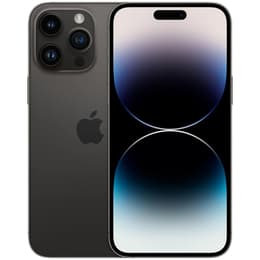
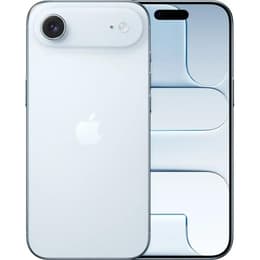
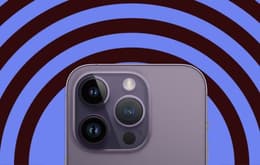
iPhone 14 Pro Max Vs iPhone Air
- 1-year minimum warranty
- Free delivery on all items
- Free 30-day returns
Differences at a glance
The iPhone 14 Pro Max (2022) and the iPhone Air (2025) represent two distinct design philosophies within Apple's smartphone lineup, contrasting a rugged large-format device with an ultra-slim modern build. While both models deliver high-tier performance and large viewing areas, they differ significantly in their physical footprint, release timeline, and internal capabilities. Both run on Apple's ecosystem, though the newer model benefits from an extended software support window.
Available Models
Colour
Storage
Scores
Durability
Choosing between these devices involves looking at release timelines, software longevity, and physical durability, with each model offering distinct advantages for long-term use.
- Release timeline and software support: The iPhone Air benefits from a newer release year, ensuring it receives official operating system updates for a longer duration compared to the older iPhone 14 Pro Max.
- Build durability and repairability: The iPhone 14 Pro Max utilizes stainless steel and heavy-duty glass for a robust feel, whereas the iPhone Air focuses on a lightweight titanium frame and reinforced display glass designed to withstand daily wear.
- Expected practical lifespan: Both devices offer strong build quality and sustained performance headroom, making them durable options, especially when choosing a quality-assured refurbished option to extend device utility sustainably.
Year of Release
2022
2025
Compatible with latest Update
Yes
Yes
OS
iOS
iOS
Foldable
No
No
Performance
Handling daily apps, heavy multitasking, and demanding games is approached differently by each model due to their respective hardware generations and internal architectures.
- Everyday responsiveness and multitasking: Both models manage app switching, web browsing, and heavy multitasking smoothly, though the newer processor in the iPhone Air provides additional speed for complex background tasks.
- Battery behavior and capacity: The iPhone 14 Pro Max features a larger physical battery that comfortably lasts through extended heavy use, while the slimmer profile of the iPhone Air houses a smaller battery capacity that typically requires a daily recharge for intensive users.
- Storage configurations: Both devices offer ample storage tiers starting at generous capacities, accommodating large photo libraries, downloaded media, and large application files without performance degradation.
Screen quality
Visual immersion and display technology are central to both smartphones, delivering sharp imagery and vibrant color reproduction across their large screens.
- Display technology and clarity: Both models feature bright OLED screens with deep contrast levels, sharp resolutions, and wide color support for clear viewing in various indoor and outdoor lighting conditions.
- Brightness and outdoor visibility: The iPhone Air introduces higher peak outdoor brightness levels compared to the iPhone 14 Pro Max, making text and images slightly easier to read under direct sunlight.
- Refresh rate and smoothness: Both devices support adaptive high refresh rates up to 120Hz, ensuring smooth scrolling through web pages, fluid animations, and responsive touch feedback during gaming.
Resolution
1290 x 2796
2736x1260
Screen type
LTPO Super Retina XDR OLED
Super Retina XDR
Audiovisual
Media creation and audio-visual playback capabilities cater to different user priorities, balancing multi-lens versatility with minimalist hardware engineering.
- Camera system versatility: The iPhone 14 Pro Max includes a versatile triple-lens array featuring dedicated ultra-wide and telephoto zoom capabilities, whereas the iPhone Air streamlines photography with a single high-resolution main lens.
- Low-light and video performance: Both smartphones capture detailed low-light photos and stable high-definition video, but the telephoto lens on the older Pro model offers greater optical zoom flexibility for distant subjects.
- Audio and media consumption: Built-in stereo speakers on both devices deliver clear sound for podcasts and casual video viewing, supported by responsive microphones for clear calls and audio recording.
Main camera
48 megapixels
48 megapixels
Front camera
12 megapixels
18 megapixels
Miscellaneous
Practical daily usability elements such as connectivity standards, physical dimensions, and security sensors shape how each device fits into everyday routines.
- Physical dimensions and handling: The iPhone 14 Pro Max is a heavier, thicker device with a substantial in-hand feel, while the iPhone Air emphasizes a remarkably thin and lightweight profile that reduces pocket bulk.
- Connectivity and ports: The iPhone 14 Pro Max relies on the Lightning port standard, whereas the iPhone Air adopts the universal USB-C connection alongside advanced wireless communication standards.
- Security and authentication: Both models utilize face recognition sensors integrated into the upper display area for secure unlocking, digital payments, and app verification.
Weight
120 g
165 g
Screen size (in)
6.7
6.5
Mobile network
5G
5G
SIM card
Physical SIM + eSIM
eSIM
Carrier compatibility
Unlocked
Unlocked
Connector
Lightning
USB-C
What the community thinks
User feedback highlights distinct preferences for each model based on daily habits and physical comfort. Owners of the iPhone 14 Pro Max frequently praise its reliable all-day battery endurance and versatile multi-lens camera system, though some note its heavier weight in the hand. Conversely, users appreciate the iPhone Air for its exceptionally thin, lightweight chassis and modern display brightness, while noting that its single-lens setup and slimmer battery require different compromises.
Users prioritizing maximum battery endurance, physical zoom flexibility, and a heavier, robust build may prefer the iPhone 14 Pro Max. Meanwhile, users prioritizing a lightweight pocket profile, modern connectivity standards, and a sleek physical design will find the iPhone Air well-suited to their needs. Exploring a sustainable choice through a quality-assured refurbished option provides an eco-friendly alternative for acquiring either device without compromising on performance reliability.