Galaxy S20 5G Vs Galaxy Z Fold4

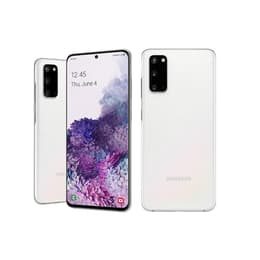
Galaxy S20 5G
Galaxy S20 5G
Starting at

Refurbished price:£133.00

Versus £899.00 new

See options
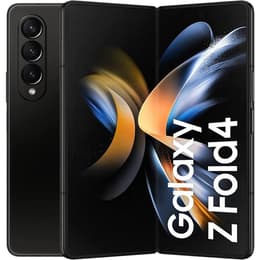
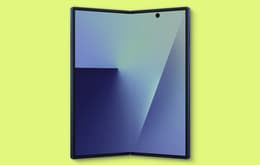
Galaxy Z Fold4
Galaxy Z Fold4
Starting at

Refurbished price:£352.00

Versus £1,889.00 new

See options

Ratings

The Samsung Galaxy S20 5G, released in early 2020, is a traditional slab-style smartphone, offering a premium experience within a familiar form factor. In contrast, the Samsung Galaxy Z Fold4, launched in late 2022, represents a significant shift in design with its innovative foldable display, transforming from a compact smartphone into a larger tablet-like device. Both devices operate on the Android platform, featuring Samsung's One UI, but their fundamental designs cater to different user preferences and usage scenarios.

Scores

Durability

When considering the longevity of these devices, their release timelines and software support policies are key factors.

  • Release Timeline: The Galaxy S20 5G was introduced in March 2020, while the Galaxy Z Fold4 followed in August 2022. This two-and-a-half-year difference means the Z Fold4 benefits from more recent hardware and a longer support window. [1, 23]
  • Software Support: The Galaxy S20 5G launched with Android 10 and typically received three major Android OS updates, likely concluding its major OS support around Android 13. Security updates may continue for a period beyond that. The Galaxy Z Fold4, however, launched with Android 12L and is promised four major Android OS updates, extending its support up to Android 16, along with five years of security updates, projected until 2027. [1, 16, 31]
  • Physical Durability: The Galaxy S20 5G features Gorilla Glass 6 on its front and back, with an aluminum frame and an IP68 rating for dust and water resistance. The Galaxy Z Fold4 utilizes Gorilla Glass Victus+ for its cover screen and back panel, an Armor Aluminum frame, and boasts an IPX8 water resistance rating, though it lacks official dust resistance due to its folding mechanism. [1, 5, 21, 23, 35]

Year of Release

2020

2022

Compatible with latest Update

No

Yes

OS

Android

Android

Foldable

No

Yes

Performance

The performance capabilities of these two devices reflect their respective generations and design philosophies.

  • Processing Power: The Galaxy S20 5G is equipped with a processor that handles everyday applications and multitasking smoothly, providing a responsive user experience for typical smartphone activities. The Galaxy Z Fold4 features a more advanced processor, offering enhanced speed and efficiency, which translates to noticeably smoother performance in demanding applications, complex multitasking scenarios, and graphically intensive games. [1, 3, 5, 9, 22, 23]
  • Multitasking and Responsiveness: Both devices offer ample RAM for efficient multitasking, with the Galaxy Z Fold4 typically featuring 12GB of RAM, providing additional headroom for running numerous applications simultaneously without slowdowns. The Galaxy S20 5G often comes with 8GB or 12GB of RAM, which is sufficient for most users. [1, 3, 7, 9, 22, 23]
  • Storage Options: The Galaxy S20 5G offers 128GB of internal storage, with the flexibility of expandable storage via a microSD card. The Galaxy Z Fold4 provides larger base storage options, starting from 256GB and going up to 1TB, but it does not support expandable storage. [1, 3, 7, 9, 23]

Memory (GB)

12 GB

12 GB

Screen quality

The display experience is a primary differentiator, with the Galaxy Z Fold4 offering a unique adaptable screen, while the Galaxy S20 5G provides a high-quality traditional display.

  • Display Technology and Size: The Galaxy S20 5G features a 6.2-inch Dynamic AMOLED 2X display, known for its vibrant colors and deep blacks. The Galaxy Z Fold4 offers a dual-screen setup: a 6.2-inch Dynamic AMOLED 2X cover screen for quick interactions and a large 7.6-inch foldable Dynamic AMOLED 2X main screen when unfolded, providing an expansive canvas. [1, 2, 5, 7, 8, 12, 13, 23, 34, 35]
  • Resolution and Clarity: The S20 5G's display has a resolution of 1440 x 3200 pixels, delivering sharp and detailed visuals. The Z Fold4's main screen offers a resolution of 2176 x 1812 pixels, providing a crisp viewing experience on its larger surface, while the cover screen has a resolution of 2316 x 904 pixels. [1, 2, 7, 8, 12, 13, 23, 34, 35]
  • Refresh Rate and Brightness: Both devices feature a 120Hz refresh rate, contributing to smooth scrolling and fluid animations. The Z Fold4's main and cover screens both support adaptive refresh rates, optimizing power consumption. Both displays offer high brightness levels, ensuring good visibility even in bright outdoor conditions. [1, 5, 7, 12, 13, 17, 23, 34, 35]

Resolution

1440 x 3200

1812 x 2176

Screen type

Dynamic AMOLED 2X

Foldable Dynamic AMOLED 2X

Audiovisual

The camera systems on both smartphones are designed to capture high-quality images and videos, with the Z Fold4 benefiting from more recent advancements.

  • Rear Camera System: The Galaxy S20 5G features a versatile triple-camera setup, including a 12-megapixel wide lens, a 64-megapixel telephoto lens with 3x hybrid optical zoom, and a 12-megapixel ultrawide lens. The Galaxy Z Fold4 also has a triple-camera array, with a 50-megapixel wide lens, a 10-megapixel telephoto lens offering 3x optical zoom, and a 12-megapixel ultrawide lens. The Z Fold4's main sensor is an upgrade, providing improved light gathering capabilities and detail. [1, 2, 5, 15, 23, 28, 32, 33, 35]
  • Front-Facing Cameras: The S20 5G includes a 10-megapixel front camera for selfies and video calls. The Z Fold4 offers a 10-megapixel camera on its cover screen and a 4-megapixel under-display camera on the main foldable screen, which is less visible than previous iterations and suitable for video calls. [1, 15, 23, 28, 29, 33, 35]
  • Video Recording and Features: Both devices are capable of recording high-resolution video, including 8K on the S20 5G. The Z Fold4's camera system, with its enhanced sensors, generally delivers improved low-light performance and more vibrant, detailed shots. Its unique form factor also allows for creative shooting angles using Flex Mode. [15, 23, 27, 28, 38]

Main camera

12 megapixels

50 megapixels

Front camera

10 megapixels

4 megapixels

Miscellaneous

Beyond core specifications, several practical elements contribute to the overall user experience of these devices.

  • Connectivity: Both the Galaxy S20 5G and Galaxy Z Fold4 support 5G networks, enabling faster mobile data speeds. The Z Fold4 includes newer wireless standards like Wi-Fi 6E and Bluetooth 5.2, offering potentially faster and more stable connections compared to the S20 5G's Wi-Fi 6 and Bluetooth 5.0. [2, 3, 4, 9, 18, 23, 26, 29, 35, 36]
  • Physical Design and Handling: The Galaxy S20 5G is a compact and lightweight device, measuring 151.7 x 69.1 x 7.9 mm and weighing 163 grams, making it comfortable for one-handed use. The Galaxy Z Fold4, due to its foldable nature, is significantly heavier at 263 grams. When folded, it measures 155.1 x 67.1 x 15.8-14.2 mm, and when unfolded, it expands to 155.1 x 130.1 x 6.3 mm, offering a larger screen experience but with a thicker profile when closed. [1, 2, 5, 9, 19, 20, 21, 23, 25, 29, 35]
  • Charging and Ports: Both smartphones feature a USB-C port for charging and data transfer and do not include a traditional 3.5mm headphone jack. Both support fast wired and wireless charging, with the Z Fold4 also offering reverse wireless charging to power other compatible accessories. [5, 9, 18, 23, 29, 35]

Weight

163 g

263 g

Screen size (in)

6.2

7.6

Mobile network

5G

5G

SIM card

Dual Physical SIM

Dual Physical SIM + eSIM

Carrier compatibility

Unlocked

Unlocked

The Samsung Galaxy S20 5G and Galaxy Z Fold4 cater to distinct user needs, reflecting their different design philosophies and release timelines. Users often praise the Galaxy S20 5G for its comfortable, traditional smartphone form factor, its vibrant display, and its capable camera system, which was a highlight at its release. Some common criticisms for the S20 5G might include its battery life for heavy users and the conclusion of major software updates, which can impact its long-term usability for those seeking the latest features.

The Galaxy Z Fold4, on the other hand, receives commendation for its innovative foldable design, offering a large, immersive screen for productivity and media consumption. Its improved camera system and extended software support are also frequently highlighted as strong points. However, users sometimes note its increased weight and thickness when folded, and while improved, the crease on the main display can still be a point of discussion. The durability of the folding screen, despite advancements, is also a consideration for some.

Users prioritizing a compact, traditional smartphone experience with a high-quality display and a solid camera for everyday use may find the Galaxy S20 5G well-suited to their needs. Those who require a versatile device that can transform into a larger screen for enhanced multitasking, content creation, or immersive media viewing, and who are comfortable with a larger, heavier form factor, will likely lean towards the Galaxy Z Fold4. For consumers looking for an eco-friendly alternative, both models are available as quality-assured refurbished options, extending their lifespan and reducing electronic waste.

See all articles

Our recent comparisons