
Galaxy S20 5G Vs Google Pixel Fold

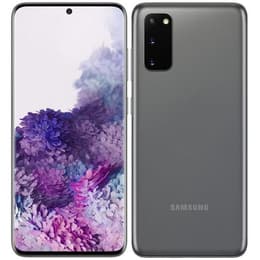
Galaxy S20 5G
Galaxy S20 5G
Starting at

Refurbished price:£133.00

Versus £899.00 new

See options
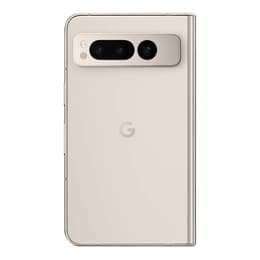
Google Pixel Fold
Google Pixel Fold
Starting at

Refurbished price:£371.00

Versus £1,499.00 new

See options

Ratings

The Samsung Galaxy S20 5G, released in early 2020, is a traditional slab-style smartphone, while the Google Pixel Fold, launched in mid-2023, represents Google's entry into the foldable phone market. These devices offer distinct form factors and user experiences, with the Galaxy S20 5G focusing on a conventional premium smartphone design and the Pixel Fold providing a versatile, expansive screen that folds for portability. Both run on the Android operating system, but they differ significantly in their approach to hardware and software integration.

Scores

Durability

When considering the long-term usability of these devices, their release timelines and software support policies are key differentiators.

  • Release Timeline: The Galaxy S20 5G was released in February 2020, making it a device from an earlier generation. The Google Pixel Fold, launched in June 2023, is a much newer device.
  • Software Longevity: The Galaxy S20 5G typically received three major Android OS updates and four years of security updates, meaning its official software support has likely concluded by early 2024. In contrast, the Pixel Fold is guaranteed five years of OS and security updates from its release date, extending its support until at least June 2028. This extended support means the Pixel Fold will continue to receive the latest Android features and security patches for several more years.
  • Repairability: The Pixel Fold, like many foldable devices, presents some challenges for self-repair, with its USB-C port soldered to the motherboard. However, it received a repairability score of 6.5 out of 10 from PBK Reviews, indicating that some repairs are manageable. The Galaxy S20 5G, as a more traditional smartphone, generally offers a more straightforward repair process, though specific scores were not readily available.

Year of Release

2020

2023

Compatible with latest Update

No

Yes

OS

Android

Android

Foldable

No

Yes

Performance

The performance of a smartphone is crucial for daily tasks, and both devices offer capable hardware, though they belong to different generations of mobile technology.

  • Processing Power: The Galaxy S20 5G is powered by a processor from 2020, which capably handles everyday applications and multitasking. The Pixel Fold features Google's Tensor G2 processor, designed to optimize AI and machine learning tasks, providing a responsive experience for modern applications and features.
  • Multitasking and Responsiveness: Both devices come with 12GB of RAM, allowing for smooth transitions between multiple open applications. The Pixel Fold's larger internal display is particularly well-suited for side-by-side app usage, enhancing productivity for users who frequently multitask.
  • Storage Options: The Galaxy S20 5G typically offers 128GB of internal storage, with the added flexibility of expandable storage via a microSD card. The Pixel Fold provides more generous base storage options, starting at 256GB and going up to 512GB, but it does not support expandable storage.
  • Battery Behavior: The Galaxy S20 5G has a 4000 mAh battery, which generally provides a full day of use, though enabling the 120Hz refresh rate can significantly reduce battery life. The Pixel Fold houses a larger 4821 mAh battery. Initial user reports on the Pixel Fold's battery life were mixed, but subsequent software updates, particularly with Android 15, have improved its endurance, allowing many users to achieve over six hours of screen-on time.

Memory (GB)

12 GB

12 GB

Screen quality

The visual experience is a primary consideration for many users, and these two devices offer distinct display technologies and form factors.

  • Display Technology and Clarity: The Galaxy S20 5G features a 6.2-inch Dynamic AMOLED 2X display with a Quad HD+ resolution (3200 x 1440 pixels), resulting in a high pixel density for sharp visuals. The Pixel Fold offers two OLED displays: a 5.8-inch cover display with a 2092 x 1080 pixel resolution and a larger 7.6-inch internal folding display with a 2208 x 1840 pixel resolution. Both devices utilize OLED technology, known for deep blacks and vibrant colors.
  • Refresh Rate and Smoothness: Both the Galaxy S20 5G and the Pixel Fold feature a 120Hz refresh rate, providing a smoother scrolling experience and more fluid animations. On the Galaxy S20 5G, the 120Hz refresh rate is typically available at FHD+ resolution.
  • Brightness and Outdoor Visibility: The Pixel Fold's cover display can reach a peak brightness of 1550 nits, while its internal display reaches 1450 nits, offering excellent visibility even in bright outdoor conditions. The Galaxy S20 5G also provides a bright display with HDR10+ support for enhanced contrast.
  • Form Factor and Viewing Experience: The Galaxy S20 5G offers a traditional, flat smartphone screen. The Pixel Fold's unique folding design allows for a compact external screen for quick interactions and a large, tablet-like internal screen for immersive viewing and productivity. The internal display of the Pixel Fold does have a visible crease, which is common for foldable devices.

Resolution

1440 x 3200

1840 x 2208

Screen type

Dynamic AMOLED 2X

Foldable OLED

Audiovisual

Both smartphones are equipped with versatile camera systems designed to capture high-quality photos and videos, though with different strengths and capabilities.

  • Rear Camera Systems: The Galaxy S20 5G features a triple-camera setup with a 12MP wide-angle lens, a 64MP telephoto lens offering 3x hybrid optical zoom, and a 12MP ultrawide lens. The Pixel Fold also has a triple rear camera system, including a 48MP main lens, a 10.8MP ultrawide lens, and a 10.8MP telephoto lens with 5x optical zoom.
  • Photography Performance: The Galaxy S20 5G is known for its capable camera, including features like 8K video recording. The Pixel Fold benefits from Google's advanced computational photography, which enhances image quality, particularly in challenging lighting conditions. Users often praise the Pixel Fold's cameras for their balanced output and consistent results.
  • Video Recording: Both devices are capable of recording high-resolution video. The Galaxy S20 5G can record up to 8K at 24fps, as well as 4K at 30/60fps. The Pixel Fold supports 4K video recording at up to 60fps.
  • Front-Facing Cameras: The Galaxy S20 5G has a 10MP front camera. The Pixel Fold offers a 9.5MP camera on its cover display and an 8MP camera on its internal display, providing flexibility for selfies and video calls in various orientations.

Main camera

12 megapixels

48 megapixels

Front camera

10 megapixels

8 megapixels

Miscellaneous

Beyond core features, several practical elements contribute to the overall user experience and differentiate these two devices.

  • Connectivity: Both smartphones support 5G connectivity, enabling faster mobile data speeds where available. The Pixel Fold includes Wi-Fi 6E and Bluetooth 5.2, offering more advanced wireless standards compared to the Galaxy S20 5G's Wi-Fi 6 and Bluetooth 5.0.
  • Ports and Biometrics: Both devices utilize a USB-C port for charging and data transfer and lack a 3.5mm headphone jack. The Galaxy S20 5G features an in-display fingerprint sensor, while the Pixel Fold integrates its fingerprint sensor into the power button. The Pixel Fold also supports face recognition.
  • Build Materials and Durability: The Galaxy S20 5G features a glass front and back (Gorilla Glass 6) with an aluminum frame, offering IP68 dust and water resistance. The Pixel Fold also uses Gorilla Glass Victus for its cover screen and rear panel, with a polished stainless steel frame and an IPX8 water resistance rating. Google markets the Pixel Fold as having a durable hinge, rated for 200,000 folds.
  • Dimensions and Handling: The Galaxy S20 5G is a compact device, measuring 151.7 x 69.1 x 7.9 mm and weighing 163g. The Pixel Fold, due to its foldable nature, has different dimensions when folded (139.7 x 79.5 x 12.1 mm) and unfolded (139.7 x 158.7 x 5.8 mm), and is heavier at 283g. Its wider cover screen makes one-handed typing more comfortable for some users compared to other foldables.

Weight

163 g

283 g

Screen size (in)

6.2

7.6

Mobile network

5G

5G

SIM card

Dual Physical SIM

Physical SIM + eSIM

Carrier compatibility

Unlocked

Unlocked

Connector

USB-C

USB-C

The Samsung Galaxy S20 5G and the Google Pixel Fold cater to different user preferences, primarily due to their distinct form factors and release timelines. The Galaxy S20 5G, a traditional smartphone from 2020, is often praised for its compact size, vibrant display, and capable camera system that includes 8K video recording. Users frequently highlight its comfortable one-handed use and the option for expandable storage as strong points. However, its main criticism in 2026 is its limited ongoing software support, which means it no longer receives the latest Android updates or security patches.

The Google Pixel Fold, released in 2023, is lauded for its innovative foldable design, offering a large internal screen for immersive content consumption and multitasking, alongside a practical external display. Its camera system, backed by Google's computational photography, consistently delivers high-quality images. Initial concerns about battery life have largely been addressed through software optimizations. Some users note the visible crease on the inner display and its heavier, thicker profile when folded compared to traditional smartphones. The Pixel Fold's extended software support is a significant advantage for long-term use.

Users prioritizing a compact, conventional smartphone experience with a proven track record may find the Galaxy S20 5G suitable, especially if they value expandable storage. Conversely, those seeking a cutting-edge device with a versatile, large screen for productivity and media, coupled with several years of guaranteed software updates, will likely lean towards the Google Pixel Fold. Opting for a quality-assured refurbished option for either device can provide an eco-friendly alternative, extending the life cycle of these electronics and offering a sustainable choice for consumers.


See all articles

Our recent comparisons