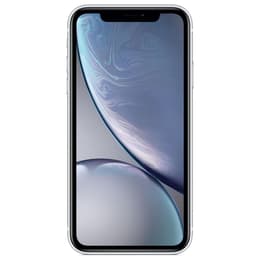

Galaxy S9 Vs iPhone XR

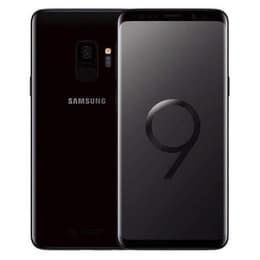
Galaxy S9
Galaxy S9
Starting at

Refurbished price:£77.00

Versus £449.00 new

See options
iPhone XR
iPhone XR
Starting at

Refurbished price:£100.00

Versus £399.00 new

See options

Ratings

The Samsung Galaxy S9 and the iPhone XR both entered the smartphone market in 2018, representing two different philosophies in mobile design and user experience. While the Galaxy S9 was Samsung's refined flagship featuring a compact build and high-resolution display, the iPhone XR was introduced as a versatile alternative to the more expensive models of its time, bringing modern features like Face ID to a wider audience. Both devices remain relevant for users seeking essential smartphone functionality without the complexity of the latest high-end releases.

Choosing between these two models often comes down to a preference for the Android or iOS operating systems, as well as specific hardware priorities like screen technology or biometric security. For those looking to reduce their environmental impact, selecting a quality-assured refurbished option for either of these devices is an effective way to extend the lifecycle of proven technology while maintaining reliable performance for daily tasks.

Scores

Durability

When evaluating the longevity of the Galaxy S9 and iPhone XR, the primary differentiator is the duration of software support provided by their respective manufacturers.

  • Software Update Cycles: The iPhone XR has historically benefited from a much longer period of operating system updates, receiving the latest iOS versions for many years after its initial release. In contrast, the Galaxy S9 reached its final official Android version several years ago, meaning it no longer receives new features or system-level security patches from the manufacturer. Users who prioritise having the most current software interface and app compatibility will find the iPhone XR offers a significantly longer functional lifespan.
  • Physical Build and Repairability: Both devices feature glass-heavy designs that require careful handling, though the Galaxy S9 includes a curved display that can be more complex to repair if damaged. The iPhone XR uses a flat glass panel which is generally more straightforward for technicians to service. In terms of long-term durability, the iPhone XR's internal components have aged gracefully, maintaining a level of responsiveness that allows it to remain a practical choice for several years of continued use.

Year of Release

2018

2018

Compatible with latest Update

No

Yes

OS

Android

iOS

Foldable

No

No

Performance

Performance on these devices is defined by how they handle modern applications and daily multitasking requirements in a contemporary setting.

  • Daily Task Efficiency: The iPhone XR utilizes a highly efficient internal processor that was designed to balance power consumption with high-speed performance. This allows the device to feel remarkably fluid when scrolling through social media, browsing the web, or switching between active applications. The Galaxy S9, while capable of handling standard tasks, may experience more frequent pauses or slower loading times when running modern, resource-heavy apps compared to the more streamlined experience found on the iPhone XR.
  • Memory and Multitasking: The Galaxy S9 was equipped with a generous amount of temporary memory for its time, which helps it keep several background apps open simultaneously. However, the way the iPhone XR manages its resources often results in a more consistent feel during use, even with slightly less memory on paper. For users who enjoy mobile gaming or photo editing, the iPhone XR tends to maintain a steadier frame rate and faster processing speeds during intensive activities.
  • Battery Endurance: In real-world usage, the iPhone XR is widely recognised for its reliable battery performance, often lasting through a full day of moderate use on a single charge. The Galaxy S9 has a smaller battery capacity, which means that power users or those who frequently use GPS and video streaming may find themselves needing to recharge the device by late afternoon to ensure it stays powered until evening.

Memory (GB)

4 GB

3 GB

Screen quality

The viewing experience is one of the most significant areas of divergence between these two smartphones, as they use entirely different display technologies.

  • Display Technology and Clarity: The Galaxy S9 features a Super AMOLED display with a very high resolution, providing deep blacks, vibrant colours, and exceptional sharpness that is ideal for watching high-definition videos. The iPhone XR uses a Liquid Retina LCD, which, while offering excellent colour accuracy and natural tones, does not reach the same level of contrast or pixel density as the Samsung. Users who prioritise a cinematic viewing experience will likely find the Galaxy S9's screen more visually engaging.
  • Brightness and Outdoor Visibility: Both screens are capable of reaching high brightness levels, making them legible in most outdoor conditions. The Galaxy S9's display can boost its brightness significantly in direct sunlight, though the iPhone XR's LCD is also well-regarded for its consistent visibility and wide viewing angles. The iPhone XR also includes technology that adjusts the white balance of the screen to match the ambient light around the user, providing a more comfortable reading experience in various environments.
  • Screen Design and Size: The iPhone XR offers a larger 6.1-inch display with a noticeable notch at the top for sensors, providing more screen real estate for reading and browsing. The Galaxy S9 has a smaller 5.8-inch screen with slim borders at the top and bottom, avoiding a notch entirely. The S9's curved edges give it a modern, bezel-less appearance, though some users may prefer the flat, traditional surface of the iPhone XR to avoid accidental touches on the sides of the device.

Resolution

1440 x 2960

828 x 1792

Screen type

Super AMOLED

Liquid Retina IPS LCD

Audiovisual

Both the Galaxy S9 and iPhone XR rely on a single rear camera lens, yet they produce distinct results based on their internal processing and hardware features.

  • Photography in Various Lighting: The Galaxy S9 features a unique lens that can physically adjust its aperture to let in more light, which helps it capture clearer photos in dim environments. This makes it a strong performer for evening shots or indoor photography. The iPhone XR uses advanced software processing to balance highlights and shadows in bright outdoor scenes, resulting in photos with a high dynamic range and very natural-looking skin tones.
  • Video Recording and Stability: For users who record a lot of video, the iPhone XR is often preferred for its smooth stabilisation and high-quality audio capture. It produces consistent, professional-looking footage that is easy to share. The Galaxy S9 also records high-quality video and offers features like super slow-motion, which can be a fun tool for creative shots, though its overall video consistency is generally viewed as slightly behind the iPhone's standard.
  • Portrait and Selfie Capabilities: The iPhone XR uses software to create a background blur effect in portrait mode, which works specifically on human subjects. The Galaxy S9 offers a similar feature called Selective Focus, which allows for more flexibility in blurring the background of various objects. Both devices have capable front-facing cameras for video calls and selfies, with the iPhone XR providing a slightly wider field of view which is helpful for group shots.

Main camera

12 megapixels

12 megapixels

Front camera

8 megapixels

7 megapixels

Miscellaneous

Beyond the core specifications, several practical features influence the daily handling and utility of these two smartphones.

  • Biometrics and Security: The iPhone XR relies entirely on Face ID, which uses a 3D scan of the user's face to unlock the device securely and quickly. The Galaxy S9 offers more variety, including a traditional fingerprint sensor on the back, an iris scanner, and facial recognition. This flexibility allows Galaxy users to choose the method that suits them best, such as using the fingerprint sensor when wearing a mask or in dark environments where facial recognition might be slower.
  • Connectivity and Ports: A major point of distinction is the inclusion of a 3.5mm headphone jack on the Galaxy S9, allowing users to connect standard wired headphones without an adapter. The iPhone XR requires a Lightning adapter or Bluetooth headphones. Additionally, the Galaxy S9 features a microSD card slot, enabling users to easily and affordably expand their storage capacity, whereas the iPhone XR's storage is fixed at the time of purchase.
  • Physical Dimensions and Handling: The Galaxy S9 is narrower and lighter, making it one of the most comfortable devices for one-handed use. Its slim profile fits easily into small pockets. The iPhone XR is wider and heavier, giving it a more substantial feel in the hand which some users associate with durability, though it may be more challenging to operate with one hand for those with smaller palms.

Weight

163 g

194 g

Width

6,87 cm

7,57 cm

Height

14,77 cm

15,09 cm

Screen size (in)

5.8

6.1

Mobile network

4G

4G

SIM card

Physical SIM

Physical SIM + eSIM

Carrier compatibility

Unlocked

Unlocked

Connector

USB-C + Jack 3.5mm

Lightning

In summary, the Galaxy S9 and iPhone XR cater to different user priorities despite their similar age. Based on common user feedback from tech forums, the Galaxy S9 is frequently praised for its stunning AMOLED display and the convenience of the headphone jack and expandable storage. However, users often point out that its battery life and lack of recent software updates are significant drawbacks in 2026. On the other hand, the iPhone XR is celebrated for its exceptional reliability, long-lasting battery, and the smooth experience of the iOS ecosystem, though some users find the screen resolution and larger bezels to be less impressive than its competitors.

Users who prioritise media consumption, such as watching high-quality videos, and those who value hardware flexibility like expandable storage, may find the Galaxy S9 to be the better fit for their needs. Conversely, users who require a device that will remain compatible with the latest apps for longer, or those who prefer a simple and consistent user interface with strong battery performance, will likely lean toward the iPhone XR. Both devices represent a sustainable choice through refurbishment, offering a functional and eco-friendly alternative to purchasing a brand-new smartphone. Ultimately, the decision rests on whether you value the superior screen and compact versatility of the Galaxy S9 or the enduring software support and efficiency of the iPhone XR.

See all articles

Our recent comparisons