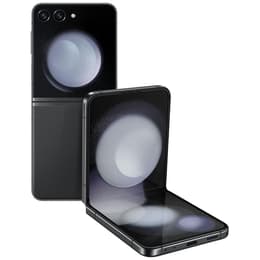
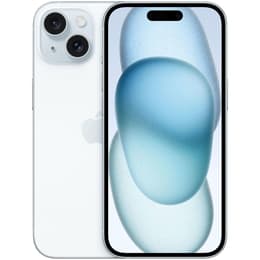

Galaxy Z Flip5 Vs iPhone 15

Galaxy Z Flip5
Galaxy Z Flip5
Starting at

Refurbished price:£266.76

Versus £1,145.61 new

See options
iPhone 15
iPhone 15
Starting at

Refurbished price:£326.00

Versus £699.00 new

See options

Ratings

The Samsung Galaxy Z Flip5 and the Apple iPhone 15, both released in late 2023, represent two distinct philosophies in modern smartphone design. While the Galaxy Z Flip5 focuses on a compact, foldable form factor that fits easily into small pockets, the iPhone 15 maintains the classic, reliable slab design that has defined the industry for years. These devices run on different operating systems—Android and iOS respectively—offering unique ecosystems for apps, customisation, and connectivity. Choosing between them involves weighing the novelty of a folding screen against the established consistency of a traditional flagship smartphone.

Scores

Durability

Both smartphones entered the market in the latter half of 2023, ensuring they remain relevant and functional for several years to come through consistent software support and modern hardware standards.

  • Software Longevity: The iPhone 15 typically receives software updates for six to seven years, providing a long functional life for users who keep their devices for many seasons. The Galaxy Z Flip5 is supported by a commitment to four years of major system updates and five years of security patches, ensuring a secure and modern experience for a significant period.
  • Physical Resilience: The iPhone 15 features a solid glass and aluminium build with high water and dust resistance ratings. In contrast, the Galaxy Z Flip5 introduces mechanical complexity with its hinge and flexible internal display; while it is engineered for thousands of folds, it requires more mindful handling compared to the rigid structure of the iPhone.
  • Repairability: Both manufacturers have made strides in making components like batteries and screens more accessible for service, though the intricate nature of foldable technology often requires specialised tools for internal repairs compared to standard designs.

Year of Release

2023

2023

Compatible with latest Update

Yes

Yes

OS

Android

iOS

Foldable

Yes

No

Performance

In daily use, both devices provide a fluid experience that handles demanding applications and multitasking without hesitation, though their physical designs impact battery behaviour differently.

  • System Responsiveness: The Galaxy Z Flip5 manages intensive tasks and split-screen multitasking with ease, allowing users to run two apps simultaneously on its tall display. The iPhone 15 offers a highly optimised experience where animations remain smooth and apps launch almost instantly, maintaining a consistent feel even under heavy workloads.
  • Battery Endurance: The iPhone 15 is designed to last through a full day of typical use, benefiting from efficient power management. The Galaxy Z Flip5, constrained by its folding design, houses a smaller battery capacity which may require a mid-day top-up for power users who frequently engage with the large internal screen or high-brightness settings.
  • Storage and Memory: Both models offer various storage capacities starting from 128GB, providing ample space for photos and documents, while their internal memory configurations ensure that switching between open apps remains seamless and efficient.

Memory (GB)

8 GB

6 GB

Screen quality

The display technology is perhaps the most significant point of divergence between these two 2023 flagship models, offering very different visual experiences.

  • Display Technology: The Galaxy Z Flip5 features a vibrant AMOLED internal screen that offers deep blacks and a high refresh rate, resulting in exceptionally smooth scrolling and motion. The iPhone 15 uses a high-quality OLED panel that delivers excellent colour accuracy and high peak brightness for outdoor visibility, though it lacks the faster refresh rate found on its competitor.
  • Viewing Experience: The iPhone 15 includes the Dynamic Island, which integrates notifications and background activities into the top of the screen. The Galaxy Z Flip5 provides a cinematic, tall aspect ratio when unfolded, though a slight crease is visible where the screen bends, which most users find easy to ignore during active use.
  • Versatility: The Flip5's ability to stay open at various angles allows for hands-free viewing of content or video calls, whereas the iPhone 15 relies on its traditional flat surface for all interactions unless supported by an external stand.

Resolution

1080 x 2640

1179 x 2556

Screen type

Foldable Dynamic AMOLED 2X

Super Retina XDR OLED

Audiovisual

Photography and media consumption are central to both devices, though they approach these features with different hardware configurations and strengths.

  • Camera Versatility: The iPhone 15 introduces a high-resolution main sensor that captures intricate detail and allows for a virtual zoom effect without a dedicated telephoto lens. The Galaxy Z Flip5 utilises a dual-camera system that produces punchy, social-media-ready images and allows the main cameras to be used for high-quality selfies via the external cover screen.
  • Video and Audio: Video recording on the iPhone 15 is noted for its stability and natural skin tones, making it a favourite for content creators. Both devices feature stereo speakers that provide clear, balanced audio for watching videos or taking calls, though the iPhone's output is often described as having slightly more depth in the lower frequencies.
  • Low-Light Performance: Both smartphones use advanced processing to brighten dark scenes, ensuring that evening photos remain clear and usable with minimal grain or blur, though the iPhone 15 tends to produce more natural-looking night shots.

Main camera

12 megapixels

48 megapixels

Front camera

10 megapixels

12 megapixels

Miscellaneous

Beyond the core specifications, the physical handling, security features, and connectivity of these devices influence the daily user experience in practical ways.

  • Connectivity and Ports: Both devices have transitioned to USB-C ports, simplifying cable management for users with other modern electronics. They both support 5G connectivity for fast mobile data and include modern Wi-Fi standards for stable home networking and fast downloads.
  • Biometrics and Security: The iPhone 15 relies on facial recognition technology for secure unlocking and payments, which works effectively in most lighting conditions. The Galaxy Z Flip5 uses a fingerprint sensor built into the power button, offering a quick and tactile way to access the device even when it is folded.
  • Portability: The Galaxy Z Flip5 is uniquely portable, folding down to half its size to fit into small pockets or bags. The iPhone 15 is a lightweight and slim device that remains comfortable for one-handed use, adhering to a more traditional smartphone footprint that many users find familiar.

Weight

187 g

171 g

Screen size (in)

6.7 /3.4

6.1

Mobile network

5G

5G

SIM card

Physical SIM + eSIM

Physical SIM + eSIM

Carrier compatibility

Unlocked

Unlocked

The Samsung Galaxy Z Flip5 and iPhone 15 each cater to distinct user preferences and lifestyles. Feedback from the user community often highlights the Galaxy Z Flip5's innovative form factor and the convenience of its compact size, though some users express caution regarding the long-term durability of the folding mechanism. Conversely, the iPhone 15 is frequently praised for its reliable performance and its impressive camera capabilities, though some tech enthusiasts note the absence of a high-refresh-rate screen as a missed opportunity for a modern flagship.

Users who prioritise innovation, a compact footprint, and the flexibility of the Android platform will likely find the Galaxy Z Flip5 to be a compelling choice. Those who value long-term software support, a straightforward user experience, and the integration of the Apple ecosystem may lean toward the iPhone 15. For those looking to make a sustainable choice, both devices are available as quality-assured refurbished options, which helps reduce electronic waste. Choosing a refurbished model is an eco-friendly alternative that provides a high-performance device while supporting a more circular economy. Ultimately, the decision rests on whether you prefer the transformative design of a foldable or the refined consistency of a classic smartphone.


See all articles

Our recent comparisons