
Google Pixel 6 Vs iPhone 13 Pro Max

Google Pixel 6
Google Pixel 6
Starting at

Refurbished price:£101.00

Versus £649.99 new

See options
iPhone 13 Pro Max
iPhone 13 Pro Max
Starting at

Refurbished price:£272.00

Versus £1,259.00 new

See options

Ratings

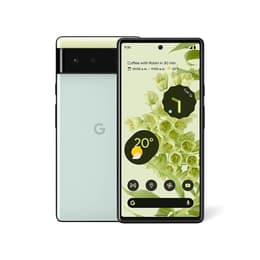
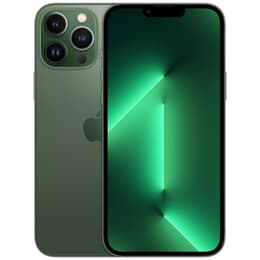
The Google Pixel 6 and the iPhone 13 Pro Max, both released in late 2021, represent two distinct philosophies in the smartphone market. While the Pixel 6 introduced a bold new design language and a focus on software-driven intelligence for the Android ecosystem, the iPhone 13 Pro Max arrived as the substantial, high-performance flagship of the iOS lineup. These devices cater to different user preferences, particularly regarding physical size, camera versatility, and the overall software experience.

Choosing between these two models involves weighing the benefits of Google's streamlined Android interface against Apple's tightly integrated ecosystem. The Pixel 6 offers a more compact form factor and unique software features, whereas the iPhone 13 Pro Max provides a larger canvas and a more complex camera system. As we evaluate these devices in 2026, their long-term viability and hardware capabilities remain central to the decision-making process for those seeking a reliable mobile companion.

Scores

Durability

When considering the longevity of these 2021 releases, the software support timelines and physical build quality play a significant role in determining how long each device remains functional and secure.

  • Software Support: The iPhone 13 Pro Max typically benefits from Apple's long-term update policy, which often provides major operating system versions for six to seven years from the launch date. In contrast, the Pixel 6 was launched with a commitment to three years of major Android updates and five years of security patches. By 2026, the Pixel 6 is approaching the end of its primary update cycle, while the iPhone is likely to receive at least one or two more major versions of iOS.
  • Build Durability: The iPhone 13 Pro Max features a stainless steel frame and Ceramic Shield glass, which offers high resistance to drops and scratches. The Pixel 6 uses a more traditional aluminium frame with Gorilla Glass Victus. Both devices carry an IP68 rating for dust and water resistance, ensuring they can withstand accidental submersions and everyday environmental exposure.
  • Repairability: Both manufacturers have made strides in making parts more accessible for a quality-assured refurbished option. While the iPhone has a more complex internal layout, the widespread availability of components and professional repair services for both models helps extend their practical lifespan well beyond their initial release years.

Year of Release

2021

2021

Compatible with latest Update

Yes

Yes

OS

Android

iOS

Foldable

No

No

Performance

Performance in these devices is defined by how smoothly they handle multitasking, demanding applications, and daily efficiency without the need for constant recharging.

  • System Responsiveness: The iPhone 13 Pro Max is known for its exceptional efficiency, handling high-end video editing and intensive gaming with ease. The Pixel 6 focuses on intelligent performance, using its hardware to power features like real-time translation and voice typing. While both feel responsive in daily use, the iPhone maintains a slight edge in sustained heavy workloads due to its highly optimised internal architecture.
  • Battery Endurance: The iPhone 13 Pro Max is frequently cited for its remarkable battery life, often lasting through two days of moderate use. The Pixel 6 provides a reliable full day of power for most users, though those with very demanding schedules may find themselves reaching for a charger sooner than they would with the larger iPhone.
  • Multitasking and Storage: Both devices offer sufficient memory to keep multiple apps open simultaneously without frequent reloading. The iPhone 13 Pro Max provides a wider range of storage capacities, reaching up to 1TB for users who store vast amounts of high-resolution media, while the Pixel 6 offers standard options that suit the needs of most cloud-focused users.

Memory (GB)

8 GB

6 GB

Screen quality

The display is the primary interface for any smartphone, and these two models offer very different viewing experiences in terms of scale and fluid motion.

  • Display Technology: Both phones utilise OLED technology, which ensures deep blacks, high contrast, and vibrant colours. However, the iPhone 13 Pro Max features a 120Hz adaptive refresh rate, which makes scrolling and animations appear significantly smoother than the 90Hz refresh rate found on the Pixel 6. This difference is most noticeable when navigating long menus or playing supported games.
  • Size and Clarity: The iPhone 13 Pro Max boasts a large 6.7-inch screen, making it an excellent choice for watching films or working on documents. The Pixel 6 offers a more manageable 6.4-inch display, which many users find easier to operate with one hand while still providing ample space for media consumption.
  • Outdoor Visibility: In bright sunlight, the iPhone 13 Pro Max can achieve higher peak brightness levels, making the screen easier to read during outdoor use. The Pixel 6 remains legible in most conditions, though it may require more careful positioning in direct, harsh light compared to the iPhone's more luminous panel.

Resolution

1080 x 2400

1284 x 2778

Screen type

AMOLED

Super Retina XDR OLED

Audiovisual

Photography and video capabilities are often the deciding factors for many users, with both devices taking different approaches to capturing the world.

  • Camera Versatility: The iPhone 13 Pro Max features a triple-lens system, including a dedicated telephoto lens for 3x optical zoom. This allows for high-quality portraits and distant shots that the Pixel 6, which lacks a telephoto lens, cannot match. The Pixel 6 relies on a dual-camera setup consisting of a wide and ultra-wide lens, using software to compensate for the lack of physical zoom.
  • Image Processing: Google is renowned for its computational photography, and the Pixel 6 excels at capturing still images with excellent dynamic range and skin tone accuracy. The iPhone 13 Pro Max is often preferred by videographers, as it offers superior video stabilisation and professional-grade recording formats that provide more flexibility during editing.
  • Low-Light Performance: Both devices perform admirably in dark environments, using dedicated night modes to pull detail out of the shadows. The iPhone's larger sensor and the Pixel's advanced software processing both result in clear, usable photos in challenging lighting, though the iPhone's autofocus tends to be slightly faster in dim settings.

Main camera

50 megapixels

12 megapixels

Front camera

8 megapixels

12 megapixels

Miscellaneous

Beyond the core specifications, several practical features influence the daily handling and connectivity of these two smartphones.

  • Biometrics and Security: The Pixel 6 uses an under-display optical fingerprint sensor for secure access, which some users find convenient for quick unlocking. The iPhone 13 Pro Max relies on Face ID, a facial recognition system that is highly secure and integrates seamlessly with banking apps and password managers, though it requires a clear view of the user's face.
  • Connectivity and Ports: The Pixel 6 uses a universal USB-C port, which is compatible with a vast range of modern accessories and charging cables. The iPhone 13 Pro Max uses the proprietary Lightning port. Both devices support 5G connectivity, ensuring fast data speeds in areas with network coverage, and both include NFC for contactless payments.
  • Physical Dimensions: There is a noticeable difference in weight and bulk; the iPhone 13 Pro Max is significantly heavier and wider, which may lead to hand fatigue for some users. The Pixel 6, while not a small phone, has a more balanced weight distribution and a narrower frame that fits more comfortably in smaller hands or pockets.

Weight

207 g

238 g

Screen size (in)

6.4

6.7

Mobile network

5G

5G

SIM card

Physical SIM + eSIM

Physical SIM + eSIM

Carrier compatibility

Unlocked

Unlocked

In summary, the Google Pixel 6 and the iPhone 13 Pro Max remain capable devices in 2026, each appealing to a specific type of user. According to community discussions and user feedback, the Pixel 6 is often praised for its clean software interface and its ability to take stunning still photos with minimal effort. However, some users have noted that its fingerprint sensor can be less consistent than traditional physical sensors. The iPhone 13 Pro Max is consistently lauded for its incredible battery life and its prowess in video recording, though its substantial weight and large size are frequent points of criticism for those who prefer more portable devices.

Users who prioritise a large screen, long-term software support, and a versatile triple-camera system will likely find the iPhone 13 Pro Max to be the more suitable choice. Conversely, those who prefer a more compact device with a smart, helpful software experience and excellent still photography may lean toward the Pixel 6. Both models are available as an eco-friendly alternative through the refurbished market, providing a sustainable choice for those who want high-end features without the environmental impact of a brand-new device. Ultimately, the decision rests on whether you value the expansive, high-refresh display and ecosystem of the iPhone or the intelligent, streamlined simplicity of the Pixel.


See all articles

Our recent comparisons