
Compare models
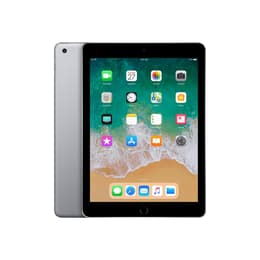
iPad 6 (2018, A10 series) Vs iPad mini 6 (2021, A15 series)
- 1-year minimum warranty
- Free delivery on all items
- Free 30-day returns
Differences at a glance
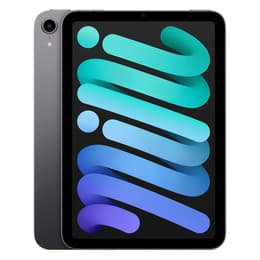
The iPad 6 (2018) and iPad mini 6 (2021) represent two distinct eras and form factors within Apple's tablet lineup. While the iPad 6 offers a traditional classroom and household tablet experience with a classic 9.7-inch screen, the iPad mini 6 introduces a modern all-screen design, a compact footprint, and a generational leap in processing power. Operating on contemporary versions of iPadOS, these devices cater to very different preferences regarding portability and capability.
Available Models
Colour
Storage (GB)
Scores
Durability
When evaluating longevity and structural support, the release timelines and hardware architectures of these two models dictate different expectations for long-term usability.
- Release timeline and software support: The iPad mini 6 launched three years after the iPad 6, providing a significantly extended window for future operating system updates and security patches.
- Repairability and durability: Both models feature durable aluminum backs, though the older iPad 6 utilizes a non-laminated display structure that can make glass replacement straightforward.
- Expected lifespan: Users requiring prolonged compatibility with newer app releases will find that the newer internal architecture of the iPad mini 6 extends its practical working life.
Year of Release
2018
2021
Compatible with latest Update
No
Yes
OS
iPadOS
iPadOS
Maximum Operating System supported
iPadOS 17
iPadOS 18
Performance
Daily responsiveness and multitasking capabilities vary substantially due to the generational gap in internal hardware between the two devices.
- System responsiveness: The iPad mini 6 handles demanding multitasking, split-screen workflows, and resource-heavy applications smoothly, whereas the iPad 6 is better suited for basic web browsing and media streaming.
- Storage capacity: The iPad mini 6 starts at higher baseline storage tiers, accommodating larger file libraries compared to the introductory storage configurations of the older model.
- Battery behavior: Both tablets maintain dependable battery performance capable of supporting standard daily routines, though intensive tasks drain the compact battery of the smaller model more rapidly.
Processor
Apple A10 Fusion
Apple A15 Bionic
Screen quality
Visual immersion and panel technology highlight one of the most prominent physical differences between the traditional standard model and the compact variant.
- Display technology: The iPad mini 6 features a fully laminated liquid crystal display with wide color support and an anti-reflective coating, while the iPad 6 uses a simpler non-laminated panel with a visible air gap beneath the glass.
- Clarity and sharpness: Higher pixel density on the smaller screen results in sharper text rendering and more detailed image viewing.
- Viewing area: The iPad 6 provides a larger physical canvas for reading documents, whereas the iPad mini 6 offers a more vibrant, pocket-friendly viewing surface suited for travel.
Resolution
2048 x 1536
2266 x 1488
True Tone
No
Yes
Pro-Motion
No
No
Screen type
Retina display
Liquid Retina display
Pixel density
264ppp
326ppp
Brightness
500 nits brightness
500 nits brightness
Sound quality
Speakers
Stereo speakers
Stereo speakers (landscape)
Audiovisual
Multimedia capture and audio output reflect the hardware advancements introduced over the three years separating these releases.
- Camera systems: The iPad mini 6 is equipped with higher-resolution front and rear sensors supporting 4K video recording and wide-angle framing features, contrasting with the basic 1080p capabilities of the iPad 6.
- Video conferencing: Automated framing technology on the newer model keeps users centered during video calls, a feature absent on the older front-facing camera.
- Audio output: Both tablets include stereo speaker configurations that deliver clear sound for casual media consumption and virtual meetings.
Miscellaneous
External hardware connections and physical handling characteristics define how each device integrates into daily travel or stationary setups.
- Port connectivity: The iPad mini 6 adopts the universal USB-C standard for accessories and charging, while the iPad 6 relies on the proprietary Lightning connector.
- Accessory compatibility: The iPad mini 6 supports magnetically attached stylus charging on its frame, whereas the older model relies on the traditional first-generation connector.
- Handling and size: Weighing significantly less and featuring ultra-thin bezels, the iPad mini 6 is optimized for one-handed reading, while the iPad 6 offers a heavier, classic widescreen grip.
Weight
469 g
293 g
Width
16.95 cm
13.48 cm
Height
24 cm
19.54 cm
Depth
0.75 cm
0.63 cm
Screen size (in)
9.7
8.3
Network
Wi-Fi
Wi-Fi
Carrier compatibility
Without SIM Port
Without SIM Port
Wi-Fi technology
Wi-Fi 6 802.11a/b/g/n/ac
Wi-Fi 6 802.11ax
Bluetooth Version
Bluetooth 4.2
Bluetooth 5.0
Face ID
No
No
Touch ID
Yes
Yes
Connector
Lightning connector
USB Type-C
What the community thinks
User feedback from online communities highlights distinct patterns of satisfaction for each device. Owners of the iPad 6 frequently praise its dependable simplicity for household reading, basic educational tasks, and reliable everyday utility. Conversely, users of the iPad mini 6 often emphasize appreciation for its exceptional portability, modern design, and robust processing power that handles demanding creative applications effortlessly in a small footprint. Frequent criticisms for the older model center around its limited multitasking headroom and older display tech, while the mini model is occasionally noted for its higher cost profile on the retail market.
When choosing between these options, users prioritizing maximum portability, modern accessory support, and high-intensity performance will find the iPad mini 6 well-suited to their needs. Meanwhile, users looking for a straightforward, larger screen for basic media viewing and casual web tasks may lean toward the traditional layout of the iPad 6. Evaluating these physical and performance differences helps clarify which design fits individual daily routines, with quality-assured refurbished options providing a sustainable choice for acquiring either model responsibly.