
iPad 5 (2017, A9 series) Vs iPad mini 5 (2019, A12 series)

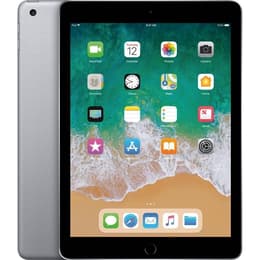
iPad 5 (2017, A9 series)
Starting at

Refurbished price:£48.50

Versus £339.00 new

See options
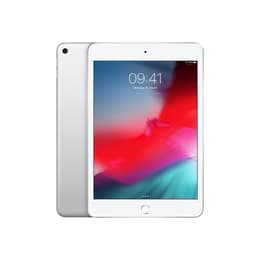
iPad mini 5 (2019, A12 series)
Starting at

Refurbished price:£104.00

Versus £529.00 new

See options

Ratings

The iPad 2017, also known as the 5th generation iPad, and the iPad Mini 2019, the 5th generation of the iPad Mini line, are two distinct tablet computers from Apple, released in March 2017 and March 2019, respectively. While both run on Apple's iPadOS, they cater to different user preferences primarily through their size, processing power, and display technologies. This comparison will delve into their practical differences to help users make an informed decision.

Scores

Durability

The longevity of a tablet is often determined by its release date and subsequent software support, alongside its physical durability.

  • Release Timeline: The iPad 2017 was released in March 2017, making it an older device compared to the iPad Mini 2019, which launched two years later in March 2019. This age difference directly impacts their software support lifespan.
  • Software Longevity: The iPad 2017 received its last major operating system update with iPadOS 16, meaning it will no longer receive new feature updates, though it may still get security patches. In contrast, the iPad Mini 2019 currently supports iPadOS 17 and is expected to receive further major OS updates for a longer period, offering extended access to new features and security enhancements.
  • Practical Lifespan: For users prioritizing the latest software features and long-term compatibility with new applications, the iPad Mini 2019 offers a more extended practical lifespan. Both devices feature robust aluminum builds, typical of Apple products, providing a similar level of physical durability for everyday use.

Year of Release

2017

2019

Compatible with latest Update

No

Yes

OS

iPadOS

iPadOS

Maximum Operating System supported

iPadOS 16

iPadOS 18

Performance

The performance of these tablets varies significantly due to the difference in their internal processing components, impacting how smoothly they handle various tasks.

  • Processing Capabilities: The iPad 2017 is equipped with a processor that handles everyday tasks, web browsing, and casual gaming smoothly. The iPad Mini 2019, however, features a more advanced processor, enabling it to manage demanding applications, complex multitasking, and graphically intensive games with greater responsiveness and efficiency.
  • Multitasking and Responsiveness: Users will notice that the iPad Mini 2019 offers a more fluid experience when switching between multiple applications or running several processes simultaneously, thanks to its more capable internal architecture and 3GB of RAM, compared to the iPad 2017's 2GB. This translates to quicker app loading times and a more seamless overall user experience.
  • Battery Behavior: Both tablets offer robust battery performance for their respective designs. The iPad 2017, with its larger battery capacity, can provide up to 10-14 hours of mixed usage, including web browsing and video playback. The iPad Mini 2019, despite having a smaller physical battery, benefits from a more power-efficient processor, also delivering around 10-12 hours of usage on a single charge.

Memory (GB)

2 GB

3 GB

Processor

Apple A9

Apple A12 Bionic

Screen quality

The visual experience on these two tablets presents notable differences, primarily influenced by their display technologies and physical dimensions.

  • Display Technology and Clarity: Both devices feature Retina IPS LCD displays, offering sharp text and clear images. The iPad 2017 has a 9.7-inch display with a resolution of 2048 x 1536 pixels at 264 pixels per inch (ppi). The iPad Mini 2019, while smaller at 7.9 inches, maintains the same 2048 x 1536 pixel resolution, resulting in a higher pixel density of 326 ppi, which provides a slightly crisper visual experience.
  • Brightness and Color Accuracy: The iPad Mini 2019's display is fully laminated, reducing the gap between the glass and the LCD, which can make content appear closer to the surface. It also includes True Tone technology, which automatically adjusts the display's white balance to match ambient light, and supports a wider P3 color gamut for more vibrant and accurate colors. The iPad 2017's display lacks these advanced features, though it is noted for being brighter than some of its contemporaries.
  • Screen Size and Viewing Experience: The 9.7-inch screen of the iPad 2017 offers a larger viewing area, which can be beneficial for media consumption, split-screen multitasking, and general productivity. The 7.9-inch screen of the iPad Mini 2019 prioritizes portability, making it easier to hold in one hand and more convenient for reading or quick tasks on the go.

Resolution

2048 x 1536

2048 x 1536

True Tone

No

Yes

Pro-Motion

No

No

Screen type

Retina display

Retina display

Pixel density

264ppp

326ppp

Brightness

500 nits brightness

500 nits brightness

Sound quality

Speakers

Stereo speakers

Stereo speakers

Audiovisual

The camera systems on these tablets are designed for general use, with some distinctions in their capabilities, particularly for front-facing interactions.

  • Rear Camera Performance: Both the iPad 2017 and the iPad Mini 2019 feature an 8-megapixel rear camera with an f/2.4 aperture, capable of capturing decent photos in good lighting conditions and recording 1080p HD video at 30 frames per second. While suitable for scanning documents or casual snapshots, neither is designed to replace a dedicated smartphone camera for high-quality photography.
  • Front Camera Capabilities: A significant difference lies in the front-facing cameras. The iPad 2017 has a 1.2-megapixel FaceTime HD camera, suitable for basic video calls. The iPad Mini 2019, however, features a more advanced 7-megapixel front camera with HDR, capable of recording 1080p HD video, providing much clearer visuals for video conferencing and selfies.
  • Audio and Media Consumption: Both tablets include stereo speakers, which provide adequate sound for media consumption. The iPad Mini 2019's speakers are noted for offering clear audio, even with some bass, despite their small size. Both also retain a 3.5mm headphone jack, offering flexibility for audio output.

Miscellaneous

Beyond core performance and display, several practical elements differentiate these two iPad models, influencing their daily usability.

  • Connectivity Options: Both tablets support Wi-Fi 802.11ac for fast wireless internet. The iPad Mini 2019 benefits from Bluetooth 5.0, offering more stable and efficient connections with accessories compared to the iPad 2017's Bluetooth 4.2. Cellular models of the iPad Mini 2019 also support Gigabit LTE, providing faster mobile data speeds where available.
  • Port Types and Sensors: Both devices utilize the Lightning port for charging and data transfer and include a 3.5mm headphone jack. For security and convenience, both feature Touch ID fingerprint sensors integrated into the home button.
  • Weight, Dimensions, and Handling: The iPad 2017 is larger and heavier, measuring 240 x 169.5 x 7.5 mm and weighing approximately 469 grams (Wi-Fi model). The iPad Mini 2019 is significantly more compact and lighter, at 203.2 x 134.8 x 6.1 mm and around 300.5 grams (Wi-Fi model), making it considerably more portable and easier to handle for extended periods or with one hand. Both are constructed with an aluminum back and glass front.

Weight

469 g

300 g

Width

16.95 cm

13.48 cm

Height

24 cm

23.32 cm

Depth

0.75 cm

0.61 cm

Screen size (in)

9.7

7.9

Network

Wi-Fi

Wi-Fi

Carrier compatibility

Without SIM Port

Without SIM Port

Wi-Fi technology

Wi-Fi 6 802.11a/b/g/n/ac

Wi-Fi 6 802.11a/b/g/n/ac

Bluetooth Version

Bluetooth 4.2

Bluetooth 5.0

Face ID

No

No

Touch ID

Yes

Yes

Connector

Lightning connector

Lightning connector

The iPad 2017 and iPad Mini 2019, while sharing the core iPad experience, cater to different user needs based on their respective strengths. User sentiment often highlights the iPad 2017 as a reliable, larger-screen option for general use, particularly for media consumption and basic productivity, with its strong battery life being a frequent praise point. Some users, however, noted its display lacked the lamination and advanced features found in newer models.

The iPad Mini 2019 is frequently lauded for its exceptional portability combined with a powerful processor, making it a favorite for users who need a compact yet capable device. Its improved front camera and support for the first-generation Apple Pencil also received positive feedback, enhancing its utility for creative tasks and video calls. Criticisms often centered on its aging design with larger bezels and the continued use of the Lightning port instead of USB-C.

Users prioritizing a larger screen for immersive viewing and general home use, and who do not require the absolute latest software updates, may find the iPad 2017 well-suited to their needs. Conversely, those who value portability, a more vibrant and advanced display, superior performance for demanding applications, and longer software support will likely lean towards the iPad Mini 2019. Both models offer a quality experience, and choosing between them depends on whether a larger screen and basic functionality or a compact form factor with enhanced performance and modern display features are more important. For those considering either device, exploring quality-assured refurbished options can provide a sustainable choice.


See all articles

Our recent comparisons