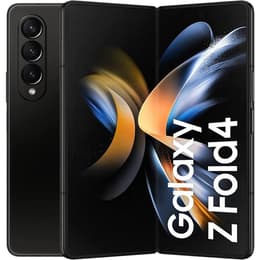
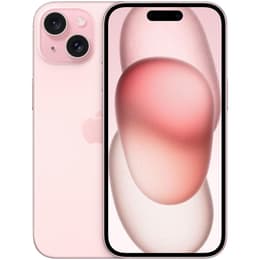

Galaxy Z Fold4 Vs iPhone 15

Galaxy Z Fold4
Galaxy Z Fold4
Starting at

Refurbished price:£352.00

Versus £1,889.00 new

See options
iPhone 15
iPhone 15
Starting at

Refurbished price:£326.00

Versus £699.00 new

See options

Ratings

The Samsung Galaxy Z Fold4 (2022) and the Apple iPhone 15 (2023) represent two distinct philosophies in smartphone design. While the Galaxy Z Fold4 is a pioneering foldable device that transforms from a phone into a small tablet, the iPhone 15 is a refined version of the classic smartphone experience. Running on Android and iOS respectively, these devices cater to distinct digital lifestyles, with the Fold4 focusing on expansive productivity and the iPhone 15 prioritising streamlined efficiency. Choosing a quality-assured refurbished option for either model is an eco-friendly alternative that supports a more circular economy.

Scores

Durability

The Galaxy Z Fold4 and iPhone 15 differ significantly in their physical construction and software support timelines, impacting their long-term utility.

  • Software Longevity: The iPhone 15 is expected to receive operating system updates until approximately 2030, whereas the Galaxy Z Fold4 will likely see its final major software update around 2026, meaning the iPhone offers a longer window of official support.
  • Physical Resilience: The iPhone 15 uses a traditional glass and aluminium build with high dust and water resistance, while the Galaxy Z Fold4 features a complex hinge mechanism and a flexible internal screen that requires more careful handling over time to maintain its integrity.
  • Repairability: Standard smartphones like the iPhone 15 are generally more straightforward to service at professional centres compared to the intricate internal components and folding display of the Galaxy Z Fold4, which involves more specialised parts and labour.

Year of Release

2022

2023

Compatible with latest Update

Yes

Yes

OS

Android

iOS

Foldable

Yes

No

Performance

These devices handle demanding tasks differently based on their hardware architecture and intended use cases, from multitasking to high-end gaming.

  • Multitasking Capabilities: The Galaxy Z Fold4 is designed for heavy productivity, allowing users to run three apps simultaneously on its large screen without lag, making it suitable for those who manage complex workflows on the go.
  • System Responsiveness: The iPhone 15 provides a consistently fluid experience during everyday tasks like browsing and social media, benefiting from deep integration between its hardware and software that ensures apps open and close with minimal delay.
  • Battery Management: While the Galaxy Z Fold4 has a larger total battery capacity to power its dual displays, the iPhone 15 is often more efficient for standard daily use, typically lasting through a full day of mixed activities on a single charge.

Memory (GB)

12 GB

6 GB

Screen quality

The viewing experience is perhaps the most dramatic point of comparison between these two handsets, affecting how users consume media and interact with apps.

  • Display Versatility: The Galaxy Z Fold4 features a massive 7.6-inch internal screen that offers a tablet-like experience for videos and documents, complemented by a narrower external screen for quick interactions when the device is closed.
  • Visual Fluidity: With a high refresh rate on both its displays, the Galaxy Z Fold4 ensures that scrolling and animations appear consistently smooth, whereas the iPhone 15 maintains a standard refresh rate that is clear but less fluid during fast motion.
  • Clarity and Brightness: The iPhone 15 features a vibrant OLED panel that reaches high brightness levels, making it easy to read even in direct sunlight, while providing excellent colour accuracy for photo editing and media consumption.

Resolution

1812 x 2176

1179 x 2556

Screen type

Foldable Dynamic AMOLED 2X

Super Retina XDR OLED

Audiovisual

Both manufacturers have equipped these devices with versatile camera systems, though they excel in different areas of photography and videography.

  • Zoom and Versatility: The Galaxy Z Fold4 includes a dedicated telephoto lens, allowing users to capture clear photos of distant subjects, a feature that the iPhone 15 lacks in its dual-camera setup, which relies on digital cropping for closer shots.
  • Image Processing: The iPhone 15 is known for its natural colour reproduction and reliable performance in various lighting conditions, particularly for portraits and quick snapshots where consistency and skin tone accuracy are key.
  • Video Production: Users who record a lot of video may prefer the iPhone 15 for its stable footage and high-quality microphone pickup, while the Galaxy Z Fold4 offers unique angles for hands-free recording when partially folded on a flat surface.

Main camera

50 megapixels

48 megapixels

Front camera

4 megapixels

12 megapixels

Miscellaneous

Beyond the core specifications, the physical footprint and connectivity of these devices impact daily comfort and how they integrate with other technology.

  • Portability and Weight: The iPhone 15 is significantly lighter and thinner, making it more comfortable for one-handed use and carrying in small pockets, whereas the Galaxy Z Fold4 is a more substantial device that feels like two phones stacked when closed.
  • Connectivity and Ports: Both devices now utilise the universal USB-C standard for charging and data transfer, though the Galaxy Z Fold4 offers additional features like desktop-mode support when connected to an external monitor for a PC-like experience.
  • Biometric Security: The iPhone 15 uses facial recognition for secure unlocking and payments, while the Galaxy Z Fold4 relies on a fast fingerprint sensor built into the power button, which some users find more convenient when the device is folded.

Weight

263 g

171 g

Screen size (in)

7.6

6.1

Mobile network

5G

5G

SIM card

Dual Physical SIM + eSIM

Physical SIM + eSIM

Carrier compatibility

Unlocked

Unlocked

User feedback from various forums highlights the distinct appeal of each device. Galaxy Z Fold4 owners frequently praise the genuine utility of the large internal screen for reading and work, though some express concerns regarding the long-term durability of the folding screen crease and the device's overall bulk. Conversely, iPhone 15 users appreciate the device's reliability, the transition to USB-C, and the lightweight design, though some power users feel the lack of a high refresh rate screen is a missed opportunity for a modern flagship.

Choosing between them depends on your primary needs. Users who prioritise mobile productivity, media immersion, and cutting-edge form factors will likely find the Galaxy Z Fold4 more aligned with their goals. Those who value a dependable, lightweight, and long-supported device that excels in photography and ease of use may lean toward the iPhone 15. For those looking to make a sustainable choice, opting for a quality-assured refurbished option is an eco-friendly alternative that extends the life of these high-performance machines. Ultimately, both phones offer premium experiences tailored to distinct types of modern smartphone users, ensuring that whether you prefer a foldable powerhouse or a refined classic, your needs are met.

See all articles

Our recent comparisons