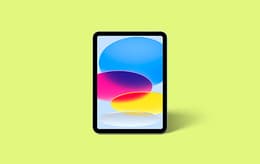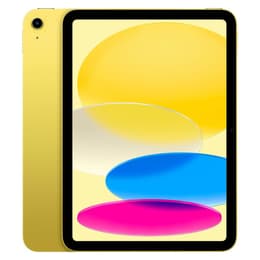


iPad 10 (2022, A14 series) Vs iPad mini 5 (2019, A12 series)

iPad 10 (2022, A14 series)
Starting at

Refurbished price:£217.00

Versus £349.00 new

See options
iPad mini 5 (2019, A12 series)
Starting at

Refurbished price:£104.00

Versus £529.00 new

See options

Ratings

The iPad 2022, also known as the 10th generation iPad, and the iPad Mini 2019, or 5th generation iPad Mini, are distinct tablet offerings from Apple. Released in October 2022 and March 2019, respectively, they cater to different user preferences primarily through their size and design philosophy. The 10th generation iPad features a larger display and a more modern aesthetic, while the iPad Mini 5 maintains a compact form factor. Both devices run on Apple's iPadOS, providing a consistent software experience, but differ in their internal components and external features.

Scores

Durability

The practical lifespan of these devices is influenced by their release timelines and ongoing software support.

  • Release Timeline and Software Longevity: The iPad 2022, released in October 2022, benefits from a newer launch date, suggesting a longer period of major iPadOS updates, likely extending for another five to seven years from its release. The iPad Mini 2019, released in March 2019, has already received several major iPadOS updates, including iPadOS 17, and is expected to receive updates for a total of five to seven years from its launch, meaning its major software support cycle is nearing its end or has recently concluded.
  • Physical Design and Repairability: The iPad 2022 features a more contemporary design with flat edges and a larger screen, while the iPad Mini 2019 retains the classic iPad design with a home button. The iPad Mini 5 received a low repairability score of 2 out of 10 from iFixit, primarily due to the extensive use of adhesive for internal components like the battery and display, making repairs challenging. Information on the iPad 2022's repairability is less detailed, but newer iPad models generally present similar challenges.

Year of Release

2022

2019

Compatible with latest Update

Yes

Yes

OS

iPadOS

iPadOS

Maximum Operating System supported

iPadOS 18

iPadOS 18

Performance

These two iPads offer different levels of processing power and multitasking capabilities, reflecting their respective release years.

  • Processing Power: The iPad 2022 is equipped with a more recent processor, which translates to smoother operation for demanding applications, faster app loading times, and more efficient multitasking. The iPad Mini 2019, while still capable for everyday tasks, uses an older generation processor, which provides a responsive experience for general use and gaming, but may show limitations with the most intensive applications or future software updates.
  • Multitasking and Storage: The iPad 2022 comes with 4GB of RAM, contributing to its ability to handle multiple applications simultaneously without significant slowdowns. The iPad Mini 2019 has 3GB of RAM, which is sufficient for typical tablet usage but may offer a less fluid experience when switching between many active applications. Both devices are available with 64GB or 256GB storage options, allowing users to choose based on their content and application needs.
  • Battery Behavior: Both models are rated for up to 10 hours of web browsing or video playback on a single charge. Real-world usage can vary, with some users reporting consistent performance, while others note that heavy use, such as extended screen time or intensive applications, can lead to more frequent charging for both devices.

Memory (GB)

4 GB

3 GB

Processor

Apple A14 Bionic

Apple A12 Bionic

Screen quality

The display experience differs significantly between these two models, primarily in size, technology, and visual characteristics.

  • Display Technology and Size: The iPad 2022 features a larger 10.9-inch Liquid Retina IPS LCD display, offering more screen real estate for productivity and media consumption. The iPad Mini 2019 has a more compact 7.9-inch Retina IPS LCD display, which is ideal for portability and one-handed use. Both displays offer a resolution that results in sharp text and images, with the iPad Mini having a higher pixel density due to its smaller size.
  • Visual Enhancements: Both tablets include True Tone technology, which adjusts the display's color temperature to match ambient lighting for a more natural viewing experience. The iPad Mini 2019's display is fully laminated and features an anti-reflective coating, which can improve visibility in bright conditions and reduce glare. The iPad 2022's display is not laminated, which can result in a slight gap between the glass and the display panel. Both displays offer a brightness of around 500 nits, providing adequate visibility in various indoor and outdoor settings.
  • Refresh Rate: Both devices operate at a standard 60Hz refresh rate, which provides a smooth experience for most everyday tasks, though it does not offer the fluid scrolling found on devices with higher refresh rates.

Resolution

2360 x 1640

2048 x 1536

True Tone

Yes

Yes

Pro-Motion

No

No

Screen type

Liquid Retina display

Retina display

Pixel density

264ppp

326ppp

Brightness

500 nits brightness

500 nits brightness

Sound quality

Speakers

Stereo speakers

Stereo speakers

Audiovisual

Camera and audio capabilities vary between the two models, impacting their suitability for photography, video calls, and media playback.

  • Camera System: The iPad 2022 features a 12-megapixel Wide camera on the rear, capable of recording 4K video, and a 12-megapixel Ultra Wide front camera positioned on the longer edge, which supports Center Stage for video calls. The iPad Mini 2019 has an 8-megapixel Wide rear camera that records 1080p HD video, and a 7-megapixel FaceTime HD front camera. The iPad 2022's camera setup offers improved detail and versatility, particularly for video conferencing.
  • Photography and Video Quality: The iPad 2022's rear camera provides sharper images and higher resolution video recording, making it more suitable for capturing detailed photos and 4K footage. Its front camera's landscape orientation and Center Stage feature enhance video call experiences by keeping the subject framed. The iPad Mini 2019's cameras are suitable for casual photography and clear video calls, but offer less detail and lower video resolution compared to the newer model.
  • Audio Experience: Both tablets feature stereo speakers, providing a decent audio experience for media consumption. The iPad 2022 has dual microphones, while the iPad Mini 2019 also includes dual microphones for calls and recording. The iPad 2022's speakers are noted to be improved over previous generations, offering a more robust sound.

Miscellaneous

Beyond core features, several practical elements differentiate these two tablets, affecting connectivity, accessory compatibility, and physical handling.

  • Connectivity and Ports: The iPad 2022 adopts a modern USB-C port for charging and data transfer, aligning with current industry standards. It also supports Wi-Fi 6 and Bluetooth 5.2, offering faster and more reliable wireless connections. Cellular models of the iPad 2022 support 5G connectivity. In contrast, the iPad Mini 2019 uses the Lightning port and includes a 3.5mm headphone jack, which is absent on the iPad 2022. It supports Wi-Fi 5 (802.11ac) and Bluetooth 5.0, with cellular models offering 4G LTE.
  • Physical Characteristics: The iPad 2022 has a larger form factor, measuring 248.6 x 179.5 x 7 mm and weighing around 477-481 grams. The iPad Mini 2019 is significantly more compact and lighter, with dimensions of 203.2 x 134.8 x 6.1 mm and a weight of approximately 300-308 grams, making it highly portable.
  • Biometrics and Accessories: The iPad 2022 integrates Touch ID into its power button, moving away from the traditional home button. The iPad Mini 2019 retains the classic home button with integrated Touch ID. Both devices support the 1st generation Apple Pencil, though the iPad 2022 requires an adapter for charging the Pencil, which can be less convenient.

Weight

477 g

300 g

Width

17.95 cm

13.48 cm

Height

24.86 cm

23.32 cm

Depth

0.7 cm

0.61 cm

Screen size (in)

10.9

7.9

Network

Wi-Fi

Wi-Fi

Carrier compatibility

Without SIM Port

Without SIM Port

Wi-Fi technology

Wi-Fi 6 802.11ax

Wi-Fi 6 802.11a/b/g/n/ac

Bluetooth Version

Bluetooth 5.2

Bluetooth 5.0

Face ID

No

No

Touch ID

Yes

Yes

Connector

USB Type-C

Lightning connector

User sentiment for the iPad 2022 often highlights its refreshed design, larger display, and improved camera as significant upgrades, making it a capable device for general use, streaming, and video calls. Some users, however, express concerns about its display not being fully laminated and the charging method for the 1st generation Apple Pencil. The iPad Mini 2019 is frequently praised for its highly portable size, making it an excellent choice for reading, casual gaming, and on-the-go media consumption. Criticisms often point to its older design and the use of the Lightning port, which some find less convenient than USB-C.

Users prioritizing a larger screen for productivity, a modern design, and enhanced camera features, especially for video conferencing, may find the iPad 2022 well-suited to their needs. Its newer processor also offers more headroom for future software and demanding applications. Conversely, individuals who value extreme portability, a compact form factor for one-handed use, and a fully laminated display may lean toward the iPad Mini 2019. Both devices offer a reliable iPadOS experience, and choosing a quality-assured refurbished option can be an eco-friendly alternative for either model, providing access to these capabilities sustainably.


See all articles

Our recent comparisons