
Compare models

Google Pixel 8 Vs iPhone 17 Pro Max

  • 1-year minimum warranty
  • Free delivery on all items
  • Free 30-day returns
Google Pixel 8
Starting at

Refurbished price:£203.00

Versus £699.99 new

See options
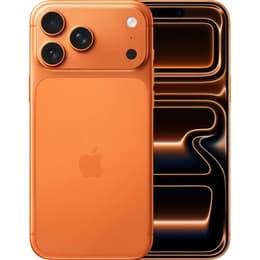
iPhone 17 Pro Max
Starting at

Refurbished price:£1,043.00

Versus £1,199.00 new

See options

Differences at a glance

The Google Pixel 8 (2023) and the iPhone 17 Pro Max (2025) represent different generations and distinct tiers within the smartphone market. While the Pixel 8 focuses on streamlined everyday utility and intuitive software features, the iPhone 17 Pro Max is built for users seeking maximum performance, advanced hardware capabilities, and a larger canvas. These devices operate on entirely different ecosystems, utilizing Android and iOS respectively, which shapes the core user experience.

Choosing between these two models involves balancing compact ergonomics and software integration against expansive viewing space and advanced hardware capability.

Available Models

Colour

Storage (GB)

Scores

Durability

When evaluating the long-term outlook of these devices, differences in release timelines, software update commitments, and hardware durability shape their expected operational lifespans.

  • Software Support: Both manufacturers provide extended software update timelines, ensuring years of security updates and operating system upgrades to maintain security and feature compatibility.
  • Repairability and Build: Both models utilize robust glass and metal construction designed to withstand daily wear, with standardized repair paths available through certified technicians and quality-assured refurbished options for eco-conscious buyers.
  • Expected Lifespan: The hardware components in both smartphones are built to remain functional and responsive for several years of daily use under standard conditions.

Year of Release

2023

2025

Compatible with latest Update

Yes

Yes

OS

Android

iOS

Foldable

No

No

Performance

System performance and responsiveness differ across these models based on internal hardware capacity and software optimization for demanding tasks.

  • Multitasking and App Handling: Both devices manage everyday applications, web browsing, and background tasks smoothly, though the newer processing architecture in the larger model handles intensive workloads and high-end gaming with greater thermal efficiency.
  • Battery Behavior: The physical footprint of each device dictates its battery capacity, with the larger model offering extended endurance for heavy all-day use, while the more compact model requires daily charging under similar workloads.
  • Storage Configuration: Both smartphones offer various internal storage tiers to accommodate media libraries, applications, and offline files without significant performance degradation as capacity fills up.

Screen quality

Display characteristics vary significantly in physical dimensions, technology implementation, and viewing performance across diverse lighting conditions.

  • Display Technology: Both models utilize advanced organic light-emitting diode panels that deliver deep black levels, high contrast ratios, and vivid color reproduction for media consumption.
  • Brightness and Outdoor Visibility: High peak brightness levels on both screens ensure legibility under direct sunlight, making outdoor navigation and reading straightforward.
  • Size and Refresh Rate: The iPhone 17 Pro Max features a substantially larger viewing area with a high refresh rate for smooth scrolling, whereas the Google Pixel 8 offers a more pocket-friendly, compact screen size with fluid visual transitions.

Resolution

1080 x 2400

2868x1320

Screen type

OLED

Super Retina XDR

Audiovisual

Imaging capabilities and multimedia output reflect the distinct hardware configurations and computational processing philosophies of each brand.

  • Lens Versatility: The iPhone 17 Pro Max incorporates a multi-lens array including a high-resolution telephoto zoom lens for distant subjects, while the Google Pixel 8 relies on a dual-lens setup focused on primary and ultra-wide perspectives.
  • Low-Light and Video: Both devices excel at capturing clear images in dim environments through advanced computational processing, with the iPhone model offering professional-grade video recording features and formats.
  • Audio and Media Output: Stereo speakers on both smartphones deliver clear sound for hands-free calls and casual media viewing, supported by sensitive microphone arrays for accurate voice capture.

Main camera

50 megapixels

48 megapixels

Front camera

10.5 megapixels

18 megapixels

Miscellaneous

Physical handling, connectivity standards, and daily usability features define the practical experience of carrying and interacting with each device.

  • Dimensions and Weight: The Google Pixel 8 is lightweight and easy to manage with one hand, whereas the iPhone 17 Pro Max is notably heavier and larger, requiring a two-handed grip for comfortable extended navigation.
  • Authentication and Security: Both models provide secure biometric unlocking mechanisms, combining facial recognition technology with integrated fingerprint sensors depending on user preference.
  • Connectivity: Modern wireless standards including 5G connectivity and fast Wi-Fi protocols are supported across both devices, ensuring stable network performance.

Weight

187 g

233 g

Screen size (in)

6.2

6.9

Mobile network

5G

5G

SIM card

Physical SIM + eSIM

Physical SIM + eSIM

Carrier compatibility

Unlocked

Unlocked

What the community thinks

User feedback across community forums highlights distinct preferences for each device. Owners of the Google Pixel 8 frequently praise its comfortable, pocket-friendly size, clean software interface, and dependable everyday camera performance. Conversely, users of the iPhone 17 Pro Max often emphasize appreciation for its expansive display area, robust battery endurance, and high-end processing capabilities for demanding media tasks. Common concerns for the Pixel focus on its more modest battery capacity during heavy usage, while feedback on the iPhone frequently notes its substantial physical weight and large footprint in pockets.

Users prioritizing a compact form factor, simpler ergonomics, and streamlined daily software will find the Google Pixel 8 well-suited to their needs. Meanwhile, users prioritizing maximum screen space, advanced camera zoom versatility, and extended battery endurance may lean toward the iPhone 17 Pro Max. For buyers exploring sustainable choices, opting for a quality-assured refurbished model provides an eco-friendly alternative that extends device life cycles. Ultimately, the right choice depends on individual physical size preferences and specific daily usage requirements.