iPhone 13 Vs iPhone 16 Pro

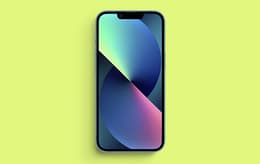
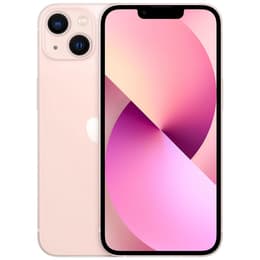
iPhone 13
iPhone 13
Starting at

Refurbished price:£206.00

Versus £599.00 new

See options
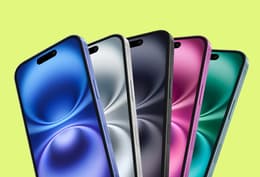
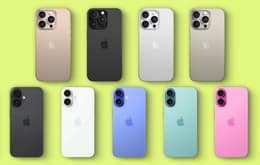
iPhone 16 Pro
iPhone 16 Pro
Starting at

Refurbished price:£564.00

Versus £999.00 new

See options

Ratings

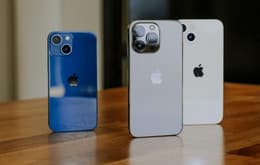
The iPhone 13 (2021) and the iPhone 16 Pro (2024) represent two different eras of smartphone development. While the iPhone 13 remains a popular choice for those seeking a reliable and straightforward device, the iPhone 16 Pro introduces several years of hardware evolution, particularly in its display technology and camera capabilities. Both devices operate on the iOS ecosystem, providing a consistent user interface, but the iPhone 16 Pro offers a more advanced set of features designed for users who want the latest mobile innovations. This comparison explores the practical differences between these two models to help you decide which fits your daily routine.

Scores

Durability

The age difference between these two models is a primary factor in determining how long they will remain compatible with the latest software and security features.

  • Software Longevity: Released in 2024, the iPhone 16 Pro is expected to receive official software updates for several years beyond the iPhone 13. This ensures access to new features and critical security patches well into the late 2020s.
  • Build and Repairability: Both devices feature robust glass and metal constructions, but the iPhone 16 Pro utilises a titanium frame which is known for its strength-to-weight ratio. While both require professional service for major repairs, the internal layout of newer models has been adjusted to make certain components more accessible for technicians.
  • Practical Lifespan: The iPhone 13 is already several years into its lifecycle, meaning its remaining time as a primary device is shorter than that of the iPhone 16 Pro. Users looking for a device to last five years or more will find the newer model better suited to that timeline.

Year of Release

2021

2024

Compatible with latest Update

Yes

Yes

Foldable

No

No

Performance

While both phones handle everyday tasks like messaging and browsing with ease, the iPhone 16 Pro provides more headroom for demanding activities and future applications.

  • System Responsiveness: The iPhone 16 Pro offers a noticeably smoother experience when launching large apps or editing high-resolution video. The internal hardware is designed to manage complex tasks without the slight pauses that might occasionally occur on older hardware during heavy use.
  • Multitasking Capabilities: With a higher amount of temporary memory, the iPhone 16 Pro can keep more applications open in the background. This means you can switch between a navigation app, a music player, and a web browser without the device needing to refresh the content as frequently as the iPhone 13.
  • Storage and Efficiency: The iPhone 16 Pro is available in higher storage capacities, reaching up to 1TB, which is ideal for users who store large amounts of media locally. Additionally, its newer internal components are more efficient at managing power during intensive gaming or video calls.

Memory (GB)

4 GB

8 GB

Screen quality

The display is one of the most significant areas of improvement, with the iPhone 16 Pro offering a more fluid and bright visual experience than the iPhone 13.

  • Motion Smoothness: The iPhone 16 Pro features a high refresh rate display that adjusts based on what you are doing. This makes scrolling through social media feeds or system menus look much more fluid compared to the standard screen on the iPhone 13.
  • Outdoor Visibility: For users who frequently use their phones outside, the iPhone 16 Pro can reach much higher brightness levels. This makes the screen significantly easier to read under direct sunlight, where the iPhone 13 might appear slightly dim.
  • Display Features: The iPhone 16 Pro includes an always-on display option, allowing you to see the time and notifications without waking the device. It also features a slightly larger screen with thinner borders, providing a more immersive viewing experience for movies and photos.

Resolution

1170 x 2532

1206 x 2622

Screen type

Super Retina XDR OLED

LTPO Super Retina XDR OLED

Audiovisual

The camera systems on these two devices cater to different levels of photographic needs, from casual snapshots to more advanced content creation.

  • Lens Versatility: The iPhone 13 features a dual-camera system that is excellent for standard photos and wide landscapes. However, the iPhone 16 Pro adds a dedicated telephoto lens, allowing you to zoom in on distant subjects with much greater clarity and detail.
  • Low-Light Performance: Thanks to larger sensors and more advanced image processing, the iPhone 16 Pro captures clearer images in dark environments. It reduces the graininess often found in night-time photos and preserves more natural colours in challenging lighting.
  • Video and Audio: The iPhone 16 Pro supports professional-grade video recording formats and features an improved microphone array. This results in clearer audio capture and more stable video footage, which is a significant advantage for users who record a lot of video content.

Main camera

12 megapixels

48 megapixels

Front camera

12 megapixels

12 megapixels

Miscellaneous

Beyond the core specifications, several physical and connectivity changes distinguish these two generations of smartphones.

  • Physical Controls and Ports: The iPhone 16 Pro has transitioned to a universal USB-C port, making it compatible with the same cables used for most modern laptops and tablets. It also introduces a customisable action button and a dedicated camera control, whereas the iPhone 13 uses the traditional mute switch and Lightning port.
  • Connectivity Standards: The iPhone 16 Pro supports the latest Wi-Fi and cellular standards, which can provide faster and more reliable internet speeds in areas with modern network infrastructure. This makes it more future-ready as network technology continues to evolve.
  • Weight and Handling: Despite having a slightly larger screen, the use of titanium in the iPhone 16 Pro helps keep the device manageable. The iPhone 13 is slightly smaller and lighter, which may be preferred by users who prioritise one-handed use and portability.

Weight

173 g

199 g

Screen size (in)

6.1

6.3

Mobile network

5G

5G

SIM card

Physical SIM + eSIM

Physical SIM + eSIM

Carrier compatibility

Unlocked

Unlocked

Connector

Lightning

USB-C (USB 3)

In summary, the choice between the iPhone 13 and the iPhone 16 Pro depends largely on how you use your device and how long you intend to keep it. Based on common user discussions, the iPhone 13 is frequently praised for its reliability and comfortable size, making it a solid choice for those who want a dependable smartphone for standard daily tasks. However, some users note that its screen and camera capabilities are beginning to feel dated when compared to the latest releases. The iPhone 16 Pro, on the other hand, receives high marks for its exceptionally smooth display, versatile zoom lens, and the convenience of the USB-C port, though its advanced features may be more than a casual user requires.

Users who prioritise a simple, effective experience for communication and light media consumption will find the iPhone 13 perfectly adequate for their needs. Conversely, users who enjoy mobile photography, frequent outdoor use, or who want the longest possible software support will find the iPhone 16 Pro to be a more suitable investment. Choosing a quality-assured refurbished option is an eco-friendly alternative that allows you to access these different levels of technology while supporting a more sustainable electronics lifecycle. Both devices remain excellent examples of their respective generations, offering a high-quality user experience within the iOS ecosystem.


See all articles

Our recent comparisons