Compare models

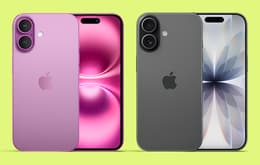
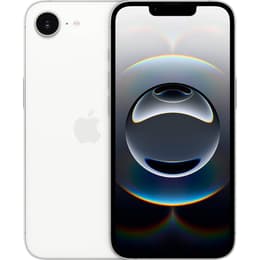
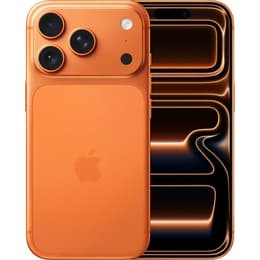
iPhone 16e Vs iPhone 17 Pro

  • 1-year minimum warranty
  • Free delivery on all items
  • Free 30-day returns
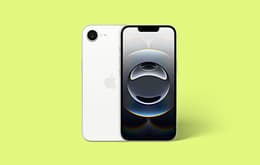
iPhone 16e
Starting at

Refurbished price:£390.99

Versus £599.00 new

See options
iPhone 17 Pro
Starting at

Refurbished price:£934.00

Versus £1,099.00 new

See options

Differences at a glance

The iPhone 16e (2025) and the iPhone 17 Pro (2025) represent two distinct product philosophies within Apple's smartphone lineup, targeting different expectations for everyday mobile technology. While both run the iOS operating system and offer modern software capabilities, the iPhone 16e is designed as an accessible, streamlined everyday device, whereas the iPhone 17 Pro serves as a feature-rich flagship built for advanced media creation and high-demand tasks.

Available Models

Colour

Storage (GB)

Scores

Durability

Both devices benefit from long-term software support, though their hardware timelines and physical durability designs differ for various daily environments.

  • Software Longevity: Both models receive multi-year operating system updates directly from Apple, with the iPhone 17 Pro receiving support slightly longer due to its later autumn release window.
  • Build Durability: The iPhone 17 Pro features updated glass protection and a sturdy frame designed to withstand heavy wear, while the iPhone 16e utilizes standard aluminum and glass construction with reliable water resistance ratings.
  • Repairability: Both smartphones score similarly regarding component replacement accessibility through certified repair channels, ensuring dependable lifespans with standard battery maintenance over time.

Year of Release

2025

2025

OS

iOS

iOS

Foldable

No

No

Performance

Under everyday conditions, both smartphones handle standard applications smoothly, but they diverge when managing demanding workloads and extensive multitasking.

  • App Loading and Multitasking: The iPhone 17 Pro handles intensive 3D gaming and heavy background tasks with sustained thermal efficiency, while the iPhone 16e comfortably manages everyday messaging, streaming, and standard apps without friction.
  • Storage Configurations: The iPhone 16e offers streamlined storage tiers suited for general media storage, whereas the iPhone 17 Pro provides higher capacity configurations designed for extensive video libraries and professional files.
  • Battery Behavior: Both models deliver reliable daily battery endurance for typical use cases, though heavy multimedia users may require a midday top-up depending on screen brightness and cellular network activity.

Screen quality

Visual experiences differ notably between the two models in terms of fluidity, maximum outdoor brightness, and panel technology.

  • Display Technology: Both devices feature crisp OLED screens that deliver deep black levels and vibrant color reproduction for daily viewing and media consumption.
  • Refresh Rate Smoothness: The iPhone 17 Pro incorporates a high refresh rate display technology for fluid scrolling and animations, whereas the iPhone 16e uses a standard refresh rate panel suitable for everyday navigation.
  • Outdoor Visibility: The iPhone 17 Pro achieves higher peak brightness levels for clear visibility under direct sunlight, while the iPhone 16e remains easily legible during standard daylight conditions.

Resolution

2532x1170

2622x1206

Audiovisual

Imaging capabilities span from straightforward everyday snapshots to versatile professional-grade photography and recording features.

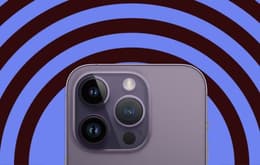
  • Lens Versatility: The iPhone 16e features a capable single-lens main camera setup for daily moments, while the iPhone 17 Pro equips a triple-lens array including wide, ultra-wide, and telephoto options for varied framing.
  • Low-Light Performance: The iPhone 17 Pro captures greater detail in dim environments thanks to larger sensor hardware, while the iPhone 16e delivers clear images in standard lighting conditions.
  • Audio and Video: The iPhone 17 Pro supports advanced professional video formats and studio-quality microphones, whereas the iPhone 16e provides dependable stereo recording for casual video clips and video calls.

Front camera

TrueDepth 12MP

18 megapixels

Miscellaneous

Physical handling characteristics and connectivity standards shape how each device fits into daily routines and travel gear.

  • Connectivity and Ports: Both models utilize the universal USB-C standard for charging and data transfer alongside fast wireless and 5G network capabilities.
  • Biometric Security: Both smartphones rely on facial recognition technology for secure device unlocking and authentication within the operating system.
  • Handling and Dimensions: The iPhone 16e offers a lighter, compact footprint for comfortable one-handed use, whereas the iPhone 17 Pro has a slightly heavier build to accommodate its expanded camera hardware and robust internal cooling.

Weight

167 g

206 g

Screen size (in)

6.1

6.3

Mobile network

5G

5G

SIM card

eSIM

Physical SIM + eSIM

Carrier compatibility

Unlocked

Unlocked

Connector

USB-C

USB-C

What the community thinks

User feedback highlights the iPhone 16e for its straightforward reliability, comfortable handling, and streamlined approach to daily smartphone tasks. Conversely, users frequently praise the iPhone 17 Pro for its responsive display fluidity, robust camera versatility, and sustained processing power during heavy workloads. Common discussions note that while the iPhone 17 Pro adds considerable weight for its extra features, it excels for photography enthusiasts. Meanwhile, users appreciate the iPhone 16e for keeping core smartphone functions simple and efficient without unnecessary complexity.

Users prioritizing compact daily ergonomics, straightforward messaging, and essential mobile tools will find the iPhone 16e well-suited to their needs. On the other hand, users prioritizing high-refresh-rate visuals, advanced multi-lens photography, and maximum multitasking headroom will lean toward the iPhone 17 Pro. For those seeking a sustainable choice, exploring a quality-assured refurbished option provides a reliable way to acquire either device while minimizing environmental impact. Ultimately, the ideal choice depends entirely on individual daily demands rather than any universal standard of superiority.