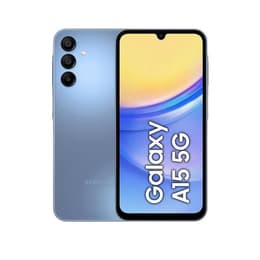
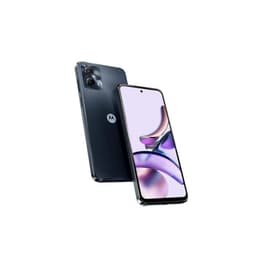

Galaxy A15 5G Vs Motorola Moto G13

Galaxy A15 5G
Galaxy A15 5G
Starting at

Refurbished price:£99.00

Versus £212.30 new

See options
Motorola Moto G13
Motorola Moto G13
Starting at

Refurbished price:£99.00

Versus £166.76 new

See options

Ratings

The Samsung Galaxy A15 5G (2024) and the Motorola Moto G13 (2023) are two smartphones designed for users who need reliable daily performance without unnecessary complexity. While both devices occupy a similar space in the market, they offer different priorities regarding mobile data speeds and display technology. The Galaxy A15 5G runs on the newer Android 14 platform, whereas the Moto G13 launched with Android 13. This comparison explores how these differences impact long-term use, media consumption, and overall responsiveness for various types of users.

Scores

Durability

The Samsung Galaxy A15 5G and Motorola Moto G13 differ significantly in their expected software lifespans and physical build considerations.

  • Software Longevity: The Samsung model is supported by a commitment to four generations of operating system updates and five years of security patches, ensuring it remains functional and secure well into the late 2020s. In contrast, the Motorola device typically receives fewer updates, which may limit its compatibility with newer apps sooner.
  • Physical Build: Both phones feature plastic frames and backs, which provide a lightweight feel and decent resistance to minor impacts. The Samsung device is slightly heavier, suggesting a denser internal structure, while both lack official high-level water resistance ratings, requiring careful handling around liquids.
  • Sustainability: For those looking to maximise the life of their technology, choosing a quality-assured refurbished option can provide a reliable device while supporting a more circular economy and reducing electronic waste.

Year of Release

2023

2023

Compatible with latest Update

Yes

No

OS

Android

Android

Foldable

No

No

Performance

While both smartphones handle standard tasks like messaging and web browsing with ease, their internal capabilities lead to different experiences during more demanding activities.

  • Connectivity and Speed: The Galaxy A15 5G supports the latest mobile network standards, allowing for much faster download and upload speeds when away from Wi-Fi. The Moto G13 is limited to 4G networks, which is sufficient for basic browsing but may feel slower when streaming high-definition video or downloading large files in crowded areas.
  • Multitasking: The Samsung device generally offers more efficient memory management, meaning users can switch between multiple open apps with less lag. The Motorola model is better suited for lighter use, as heavy multitasking or running complex games can occasionally lead to slower response times.
  • Battery and Charging: Both devices house a large 5,000mAh battery that typically lasts through a full day of heavy use. However, the Samsung model supports faster charging speeds, significantly reducing the time the phone needs to be tethered to a wall socket compared to the Motorola.

Memory (GB)

4 GB

4 GB

Screen quality

The visual experience is one of the most noticeable differences between these two models, primarily due to the underlying panel technologies used.

  • Display Technology: The Galaxy A15 5G uses a Super AMOLED screen, which provides deep blacks and high contrast because each pixel can turn off individually. The Moto G13 uses an IPS LCD, which relies on a backlight; this results in slightly less vibrant colours and greyish blacks in dark environments.
  • Brightness and Visibility: Users who frequently use their phones outdoors will find the Samsung display easier to read in direct sunlight due to its higher peak brightness levels. The Motorola screen remains clear in indoor settings but may struggle against strong glare when used in bright outdoor conditions.
  • Smoothness: Both screens offer a 90Hz refresh rate, which makes scrolling through social media feeds and navigating menus appear smoother than on standard 60Hz displays. This higher refresh rate reduces motion blur, providing a more responsive feel during everyday interactions.

Resolution

1080 x 2340

720 x 1600

Screen type

Super AMOLED

IPS LCD

Audiovisual

Photography and media consumption are handled differently by each manufacturer, with each device offering unique advantages for content creators and viewers.

  • Camera Versatility: The Samsung Galaxy A15 5G includes an ultra-wide lens, allowing users to capture more of a scene in a single shot, which is ideal for landscapes or group photos. The Moto G13 lacks this lens, focusing instead on a standard main sensor and a macro lens for close-up shots of small objects.
  • Video and Audio: The Motorola model stands out with its dual stereo speakers and support for spatial audio technology, providing a more immersive listening experience for movies and music without headphones. The Samsung device relies on a single speaker, which is clear but lacks the depth and stereo separation of the Motorola setup.
  • Image Processing: In daylight, both phones produce sharp images with natural colours. In low-light conditions, the Samsung device tends to retain more detail and manage noise more effectively through its software processing, while the Motorola may produce softer images.

Main camera

50 megapixels

50 megapixels

Front camera

13 megapixels

8 megapixels

Miscellaneous

Practical design choices and connectivity features influence how these phones feel in the hand and how they interact with other hardware.

  • Physical Handling: The Moto G13 is slightly thinner and lighter than the Galaxy A15 5G, making it a bit more comfortable for users with smaller hands or those who prefer a less bulky device in their pocket. The Samsung model feels more substantial, which some users equate with a more solid build.
  • Security and Ports: Both smartphones include a fingerprint sensor integrated into the power button for quick and secure access. They also retain the 3.5mm headphone jack, which is a practical feature for users who prefer wired audio equipment over Bluetooth alternatives.
  • Data Transfer: Both devices use the universal USB-C port for charging and data transfer, ensuring compatibility with most modern cables and accessories. They also both offer expandable storage via a microSD card slot, allowing users to increase their space for photos and apps.

Weight

200 g

183 g

Screen size (in)

6.5

6.5

Mobile network

5G

4G

SIM card

Dual Physical SIM

Dual Physical SIM

Carrier compatibility

Unlocked

Unlocked

User feedback for the Samsung Galaxy A15 5G often highlights its impressive screen quality and the peace of mind provided by its long-term software support. Some users note that the single speaker is a minor drawback for media, but the addition of 5G connectivity is frequently cited as a major benefit for future-proofing. On the other hand, the Motorola Moto G13 is praised for its clean, uncluttered software experience and its surprisingly good stereo speakers. Common criticisms of the Motorola model involve its limited software update schedule and the lack of 5G, which some users feel makes it less ready for the coming years.

Choosing between these two depends on individual priorities. Users who prioritise a vibrant display, faster mobile data, and a phone that will receive security updates for many years will likely find the Galaxy A15 5G to be the more suitable choice. Conversely, users who prefer a lighter device with a better built-in audio experience for watching videos might lean toward the Moto G13. For those concerned about environmental impact, selecting a sustainable choice through a refurbished smartphone is an excellent way to acquire a high-quality device while reducing the demand for new manufacturing. Both devices offer a practical balance of features for the modern mobile user.


See all articles

Our recent comparisons