
Galaxy A15 5G Vs iPhone 14

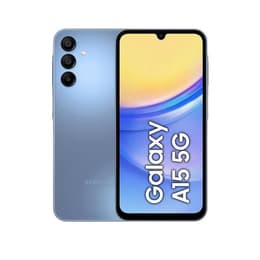
Galaxy A15 5G
Galaxy A15 5G
Starting at

Refurbished price:£99.00

Versus £212.30 new

See options
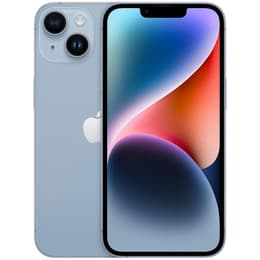
iPhone 14
iPhone 14
Starting at

Refurbished price:£229.00

Versus £599.00 new

See options

Ratings

The Samsung Galaxy A15 5G, released in early 2024, and the Apple iPhone 14, launched in late 2022, represent two distinct approaches to the modern smartphone experience. While the Galaxy A15 5G focuses on providing a large display and modern connectivity within the Android ecosystem, the iPhone 14 offers a more compact design integrated into the iOS environment. These devices cater to different user preferences regarding software flexibility, physical size, and hardware longevity, making the choice between them a matter of prioritizing specific daily needs. Both models support 5G networks, ensuring they remain compatible with current high-speed mobile data standards for years to come.

Scores

Durability

The Galaxy A15 5G and iPhone 14 offer distinct lifespans based on their release dates and manufacturer support policies, influencing how long they remain relevant for users.

  • Software Longevity: The Galaxy A15 5G is supported by a commitment to four generations of operating system updates and five years of security patches, ensuring it remains current until nearly the end of the decade. The iPhone 14 typically receives five to six years of software support from its release date, meaning both devices have similar remaining windows of relevance despite their different launch years.
  • Build Materials: The iPhone 14 utilizes a glass and aluminum construction with a specialized ceramic shield on the front for increased drop protection. In contrast, the Galaxy A15 5G uses a reinforced plastic frame and back, which provides a different tactile feel and handles impacts without the risk of shattering associated with glass.
  • Repairability: Both manufacturers have made strides in making components like batteries and screens more accessible for service, though the internal layouts differ in complexity for independent repairs.

Year of Release

2023

2022

Compatible with latest Update

Yes

Yes

OS

Android

iOS

Foldable

No

No

Performance

Everyday responsiveness and multitasking capabilities vary between these two models due to their internal hardware configurations and how they manage system resources.

  • System Responsiveness: The iPhone 14 is designed to handle demanding applications, high-end mobile gaming, and intensive video editing without noticeable lag or slowdown. The Galaxy A15 5G provides a stable experience for standard daily tasks such as web browsing, social media, and streaming, though it may take slightly longer to load heavy applications compared to the iPhone.
  • Battery Endurance: With a large 5000mAh battery, the Galaxy A15 5G is built to last through a full day of heavy use, often extending into a second day for moderate users. The iPhone 14 features a smaller physical battery but benefits from highly efficient software integration, typically requiring a nightly charge for most active users.
  • Multitasking: The iPhone manages background apps efficiently to ensure a smooth transition between tasks, while the Galaxy A15 5G offers sufficient memory to keep several everyday apps open simultaneously without frequent refreshing.

Memory (GB)

4 GB

6 GB

Screen quality

The viewing experience on these devices is defined by different display technologies and physical dimensions that suit various types of media consumption.

  • Display Technology: The Galaxy A15 5G features a 6.5-inch Super AMOLED screen that provides deep blacks and a 90Hz refresh rate, which makes scrolling through menus and feeds appear smoother. The iPhone 14 uses a 6.1-inch OLED display that prioritizes color accuracy and high peak brightness, making it easier to view content clearly even under direct sunlight.
  • Size and Clarity: Users who prefer a larger canvas for watching videos or reading will appreciate the Galaxy's extra screen real estate. Conversely, the iPhone 14 offers a higher pixel density, resulting in sharp text and fine details that are particularly noticeable when viewing high-resolution photographs.
  • Visual Comfort: Both screens include features to reduce blue light and adjust color temperature based on ambient lighting, helping to minimize eye strain during extended periods of use in the evening or in dark environments.

Resolution

1080 x 2340

1170 x 2532

Screen type

Super AMOLED

Super Retina XDR OLED

Audiovisual

Photography and media consumption are handled with different hardware priorities on each device, affecting how users capture and enjoy their content.

  • Camera Versatility: The Galaxy A15 5G includes a triple-lens system featuring a high-resolution main sensor, an ultra-wide lens for landscapes, and a macro lens for close-up shots. The iPhone 14 utilizes a dual-lens system that focuses on high-quality processing, delivering consistent results across various lighting conditions with its main and ultra-wide cameras.
  • Video Capabilities: The iPhone 14 is widely recognized for its stable video recording and advanced features like cinematic mode, which adds a shallow depth-of-field effect to recordings. The Galaxy A15 5G captures clear video suitable for social sharing, though it lacks some of the advanced stabilization found in the iPhone.
  • Audio Experience: The iPhone 14 features a stereo speaker system that provides a balanced and immersive sound for movies and music. The Galaxy A15 5G typically relies on a single downward-firing speaker but retains a traditional headphone jack, allowing users to connect wired audio equipment without needing an adapter.

Main camera

50 megapixels

12 megapixels

Front camera

13 megapixels

12 megapixels

Miscellaneous

Practical design choices and connectivity options influence how these phones fit into a user's daily routine and their compatibility with existing accessories.

  • Physical Handling: The iPhone 14 is lighter and more compact, making it easier to operate with one hand and fit into smaller pockets. The Galaxy A15 5G is larger and heavier, which provides a more substantial feel and more room for two-handed typing.
  • Biometrics and Security: For unlocking the device, the iPhone 14 uses facial recognition technology that works in various lighting conditions. The Galaxy A15 5G employs a fingerprint sensor integrated into the power button on the side, offering a quick and tactile way to access the phone.
  • Connectivity and Ports: Both devices support 5G networks for fast mobile data. The Galaxy A15 5G uses a universal USB-C port for charging and data transfer, while the iPhone 14 uses the proprietary Lightning port, which may require specific cables if you are transitioning from other modern electronics.

Weight

200 g

172 g

Screen size (in)

6.5

6.1

Mobile network

5G

5G

SIM card

Dual Physical SIM

Physical SIM + eSIM

Carrier compatibility

Unlocked

Unlocked

The Samsung Galaxy A15 5G and the iPhone 14 each have distinct strengths that appeal to different types of users. According to community discussions and user reviews, the Galaxy A15 5G is frequently praised for its long-lasting battery life and the inclusion of a smooth 90Hz AMOLED display. Some users have noted that while it handles daily tasks well, it may not be the primary choice for those who play graphically intensive games. On the other hand, the iPhone 14 receives consistent acclaim for its reliable camera performance, particularly in video, and its seamless integration with other Apple services. A common point of discussion among users is the iPhone's 60Hz screen, which some feel is less fluid than the Galaxy's higher refresh rate, though the overall system speed remains a highlight.

Users who prioritize a large screen for media consumption and a battery that can comfortably last through a busy day may find the Galaxy A15 5G to be a practical fit. Those who prefer a more compact device with high-end video recording capabilities and a long history of software reliability will likely lean toward the iPhone 14. Choosing a quality-assured refurbished option for either of these models is an eco-friendly alternative that supports a more sustainable electronics cycle. Ultimately, the decision rests on whether you value the open nature and expandable features of the Android platform or the streamlined, high-performance experience offered by the iOS ecosystem. Both devices remain capable choices for modern connectivity and daily productivity.

See all articles

Our recent comparisons