
Galaxy A15 5G Vs iPhone 12

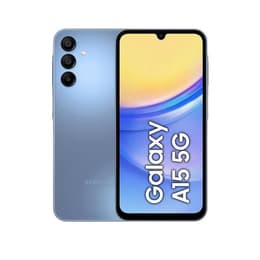
Galaxy A15 5G
Galaxy A15 5G
Starting at

Refurbished price:£99.00

Versus £212.30 new

See options
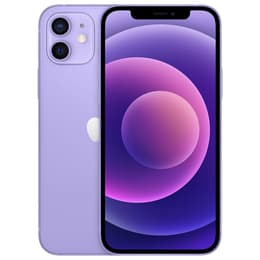
iPhone 12
iPhone 12
Starting at

Refurbished price:£141.00

Versus £649.00 new

See options

Ratings

The Samsung Galaxy A15 5G (2024) and the Apple iPhone 12 (2020) represent two different approaches to the modern smartphone experience. While the Galaxy A15 5G is a contemporary entry-level device designed for longevity and essential connectivity, the iPhone 12 is a former flagship that continues to offer a premium user experience through its integrated ecosystem. The primary differences lie in their release timing and operating systems, with the Samsung running Android and the iPhone utilising iOS. Choosing between them involves weighing the benefits of a newer, battery-focused device against an older, high-performance classic.

Scores

Durability

The four-year gap between these devices significantly impacts their expected software lifespan and physical resilience in the coming years.

  • Software Longevity: The Galaxy A15 5G, released in 2024, is scheduled to receive security updates until 2029, making it a strong candidate for long-term use. In contrast, the iPhone 12 is entering the later stages of its official support cycle, though Apple typically provides security patches even after major operating system updates cease.
  • Build and Repair: The iPhone 12 features a glass and aluminium construction with specialised glass technology for drop protection, while the Galaxy A15 5G uses a durable plastic frame that handles everyday bumps well. Both devices are widely supported by repair services, ensuring that components like screens or batteries can be replaced to extend their functional life.
  • Practical Lifespan: Because the Galaxy A15 5G is much newer, its internal components are less likely to show signs of age-related wear, whereas the iPhone 12 may require a battery replacement sooner to maintain peak performance.

Year of Release

2023

2020

Compatible with latest Update

Yes

Yes

OS

Android

iOS

Foldable

No

No

Performance

Performance on these devices is tailored toward different user priorities, ranging from power efficiency to high-speed responsiveness for demanding tasks.

  • Everyday Speed: The iPhone 12 maintains a high level of fluid performance, handling demanding applications and intensive multitasking with ease despite its age. The Galaxy A15 5G is optimised for stability in daily tasks like web browsing, social media, and messaging, providing a consistent experience without overheating.
  • Battery Endurance: Users who prioritise staying away from the charger will find the Galaxy A15 5G impressive, as its large battery capacity often supports two days of moderate use. The iPhone 12 has a smaller battery that typically requires a daily charge, especially for those who use navigation or video streaming frequently.
  • Storage Flexibility: The Galaxy A15 5G includes a slot for expandable storage, allowing users to add more space for photos and files, whereas the iPhone 12 relies on fixed internal storage and cloud services.

Memory (GB)

4 GB

4 GB

Screen quality

Both smartphones utilise advanced display technologies to provide clear visuals, though they differ in physical size and motion smoothness.

  • Visual Technology: Both devices feature OLED-based screens, which provide deep blacks and high contrast ratios that make movies and photos look vibrant. The iPhone 12 offers a slightly sharper image for reading fine text, while the Galaxy A15 5G provides a larger 6.5-inch canvas for more immersive viewing.
  • Motion Smoothness: The Galaxy A15 5G includes a higher refresh rate, which makes scrolling through news feeds and menus appear smoother to the eye. The iPhone 12 uses a standard refresh rate that remains responsive but lacks the fluid motion found on the newer Samsung model.
  • Outdoor Visibility: The iPhone 12 is designed to reach high brightness levels, making it easier to see the screen under direct sunlight compared to the Galaxy A15 5G, which is better suited for indoor or shaded environments.

Resolution

1080 x 2340

1170 x 2532

Screen type

Super AMOLED

Super Retina XDR OLED

Audiovisual

The camera systems on these devices reflect their original market positions, with one focusing on versatility and the other on consistent quality.

  • Photography Performance: The iPhone 12 is known for its reliable image processing, producing natural colours and excellent detail in various lighting conditions. The Galaxy A15 5G features a triple-camera array, including a dedicated macro lens for close-up photography, offering more variety in the types of shots users can take.
  • Video Capabilities: For users who record a lot of video, the iPhone 12 provides stable, high-definition footage with superior dynamic range. The Galaxy A15 5G captures functional video suitable for social sharing but lacks the advanced stabilisation found in the iPhone.
  • Audio Experience: The iPhone 12 features a balanced stereo speaker system that provides a clear and loud audio experience for media. The Galaxy A15 5G includes a single speaker but retains a traditional headphone jack, which is a practical feature for users who prefer wired audio.

Main camera

50 megapixels

12 megapixels

Front camera

13 megapixels

12 megapixels

Miscellaneous

Practical design choices and connectivity features define the daily handling experience and physical utility of these two smartphones.

  • Connectivity and Ports: Both devices support 5G networks for fast mobile data. The Galaxy A15 5G uses the universal USB-C standard for charging and data transfer, while the iPhone 12 uses the proprietary Lightning port.
  • Security and Sensors: The iPhone 12 utilises facial recognition for secure unlocking, which works well in most lighting. The Galaxy A15 5G employs a fingerprint sensor built into the power button, offering a quick and tactile way to access the device.
  • Dimensions and Weight: The iPhone 12 is notably thinner and lighter, making it easier to use with one hand or carry in small pockets. The Galaxy A15 5G is larger and heavier, which may appeal to users who prefer a more substantial feel and a bigger screen.

Weight

200 g

164 g

Screen size (in)

6.5

6.1

Mobile network

5G

5G

SIM card

Dual Physical SIM

Physical SIM + eSIM

Carrier compatibility

Unlocked

Unlocked

User consensus highlights distinct strengths for both the Galaxy A15 5G and the iPhone 12. On community forums, the Galaxy A15 5G is frequently praised for its exceptional battery life and the inclusion of a headphone jack, though some users note it feels less snappy during heavy gaming. The iPhone 12 receives consistent praise for its compact design and the longevity of its camera performance, while the most common criticism involves its shorter battery life compared to modern standards.

Users who prioritise a large screen, long-lasting battery, and the flexibility of expandable storage will find the Galaxy A15 5G to be a practical choice for their daily needs. Conversely, users who prefer a more compact device with high-quality video recording and a seamless software ecosystem may lean toward the iPhone 12. Both devices are available as an eco-friendly alternative through refurbishment, providing a sustainable way to access reliable technology. Choosing a quality-assured refurbished option ensures that these devices continue to serve users effectively while reducing environmental impact. Ultimately, the decision rests on whether one values the modern endurance of a newer entry-level device or the refined performance of a classic flagship.

See all articles

Our recent comparisons