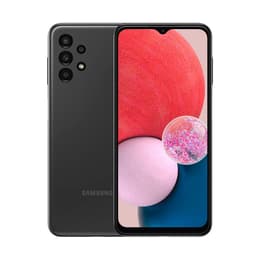
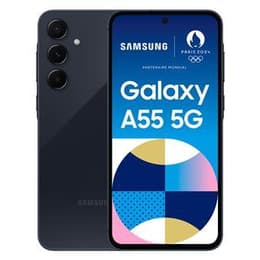

Galaxy A13 Vs Galaxy A55

Galaxy A13
Galaxy A13
Starting at

Refurbished price:£73.00

Versus £249.00 new

See options
Galaxy A55
Galaxy A55
Starting at

Refurbished price:£193.21

Versus £479.00 new

See options

Ratings

The Samsung Galaxy A13, released in March 2022, and the Samsung Galaxy A55, launched in March 2024, represent different tiers within Samsung's popular A-series smartphone lineup. While both devices operate on the Android platform with Samsung's One UI, the A55 introduces significant advancements in display technology, processing power, and build quality, reflecting its newer generation and higher positioning. These differences cater to varying user expectations regarding performance and overall experience.

Scores

Durability

The longevity of a smartphone is influenced by its release timeline, software support, and physical durability.

  • Release Timeline: The Galaxy A13 was released in March 2022, making it an older model compared to the Galaxy A55, which launched in March 2024. This two-year difference directly impacts their respective software support cycles and the duration for which they will receive updates.
  • Software Support: The Galaxy A13 typically receives two major Android OS updates and four years of security updates from its release. In contrast, the Galaxy A55 is promised four major Android OS upgrades and five years of security updates, offering a longer period of up-to-date software and security patches. This extended support means the A55 will remain current for a longer practical lifespan.
  • Physical Durability: The Galaxy A13 features a plastic frame and back with Gorilla Glass 5 on the front for screen protection. The Galaxy A55, however, boasts a more robust construction with a glass front protected by Gorilla Glass Victus+, a glass back, and an aluminum frame. Additionally, the A55 carries an IP67 rating for dust and water resistance, a feature absent in the A13, contributing to its enhanced resilience against environmental elements.

Year of Release

2022

2024

Compatible with latest Update

No

Yes

OS

Android

Android

Foldable

No

No

Performance

Performance differences between these two models are notable, impacting daily usage from app responsiveness to gaming.

  • Processor Capabilities: The Galaxy A13 is powered by a processor that handles everyday tasks and light usage adequately. Users report it can be sluggish with demanding applications or extensive multitasking. The Galaxy A55 features a more advanced processor, providing a smoother and more responsive experience across various applications, including more intensive tasks and gaming.
  • Multitasking and Responsiveness: The Galaxy A13 comes with RAM options ranging from 3GB to 6GB, which can limit its multitasking capabilities, potentially leading to slowdowns when many apps are open simultaneously. The Galaxy A55 offers higher RAM configurations, typically 8GB or 12GB, allowing for more fluid multitasking and a generally snappier user interface.
  • Storage Options: Both devices offer expandable storage via microSD cards. The A13 has internal storage options from 32GB to 128GB, while the A55 starts at 128GB and goes up to 256GB, providing more base storage for applications and media.

Memory (GB)

4 GB

8 GB

Screen quality

The display is a key area where the Galaxy A55 offers a significantly upgraded visual experience compared to the Galaxy A13.

  • Display Technology and Clarity: The Galaxy A13 features a 6.6-inch PLS LCD display with Full HD+ resolution. While offering decent clarity, it does not match the contrast and color vibrancy of an AMOLED panel. The Galaxy A55 sports a 6.6-inch Super AMOLED display with Full HD+ resolution, known for its deep blacks, vibrant colors, and excellent contrast.
  • Refresh Rate and Smoothness: The Galaxy A13 typically has a 60Hz refresh rate, with some 5G variants offering 90Hz. This provides a standard scrolling experience. The Galaxy A55 features a 120Hz adaptive refresh rate, resulting in noticeably smoother scrolling, animations, and an overall more fluid user interaction.
  • Brightness and Outdoor Visibility: The A55's Super AMOLED display can reach a peak brightness of 1,000 nits, enhancing visibility in bright outdoor conditions and improving the viewing experience for HDR content. The A13's LCD panel offers adequate brightness for indoor use but may struggle more under direct sunlight.

Resolution

1080 x 2408

1080 x 2340

Screen type

PLS LCD

Super AMOLED

Audiovisual

Camera capabilities show a clear distinction, with the Galaxy A55 offering more advanced features and improved image processing.

  • Main Camera System: Both phones feature a 50MP main camera. However, the Galaxy A55's main sensor includes Optical Image Stabilization (OIS), which helps in capturing sharper photos and more stable videos, especially in challenging lighting conditions. The A13 lacks OIS, making it more susceptible to blur from hand movements.
  • Low-Light and Video Performance: The Galaxy A55 excels in low-light photography with its improved sensor and AI Image Signal Processing, offering brighter and clearer night shots with reduced noise. It also supports 4K video recording. The Galaxy A13's low-light performance is more limited, often producing grainier images, and it lacks a dedicated night mode. Video recording on the A13 is generally limited to 1080p and lacks effective stabilization.
  • Additional Lenses and Selfie Camera: The A55 includes a 12MP ultrawide and a 5MP macro lens, along with a 32MP front camera for detailed selfies. The A13 has a 5MP ultrawide, 2MP macro, and 2MP depth sensor, with an 8MP front camera. The A55's higher resolution ultrawide and selfie cameras generally produce more detailed and vibrant images.

Main camera

50 megapixels

50 megapixels

Front camera

8 megapixels

32 megapixels

Miscellaneous

Beyond core performance, several practical elements differentiate these two smartphones.

  • Connectivity: The Galaxy A13 supports 4G LTE networks, Wi-Fi 5, and Bluetooth 5.0. The Galaxy A55 offers more advanced connectivity with 5G support, Wi-Fi 6E, and Bluetooth 5.3, providing faster data speeds and more stable wireless connections.
  • Ports and Biometrics: Both devices feature a USB-C port for charging and data transfer. The Galaxy A13 retains a 3.5mm headphone jack, which is absent on the Galaxy A55. For security, both include a side-mounted fingerprint sensor.
  • Design and Handling: The Galaxy A13 has dimensions of 165.1 x 76.4 x 8.8 mm and weighs 195g, featuring a largely plastic build. The Galaxy A55 is slightly more compact in height but wider, measuring 161.1 x 77.4 x 8.2 mm, and is heavier at 213g due to its premium glass and aluminum construction. The A55's metal frame contributes to a more solid in-hand feel.

Weight

195 g

213 g

Screen size (in)

6.6

6.6

Mobile network

4G

5G

SIM card

Dual Physical SIM

Dual Physical SIM

Carrier compatibility

Unlocked

Unlocked

User feedback often highlights the Galaxy A13 as a reliable option for essential smartphone functions, particularly praised for its enduring battery life that can comfortably last a full day with moderate use. However, common criticisms point to its slower performance and camera limitations, especially in low-light conditions, which can lead to less detailed photos. Users generally consider it a solid choice for those who prioritize basic communication, web browsing, and social media without demanding high-end performance or advanced camera features.

The Galaxy A55, on the other hand, receives commendation for its vibrant AMOLED display with a high refresh rate, offering a significantly smoother visual experience. Its enhanced processing power and improved camera system, including OIS and better low-light capabilities, are frequently cited as major advantages, making it suitable for more demanding applications, mobile gaming, and photography enthusiasts. Some users note its increased weight compared to its predecessor, but this is often balanced by its more premium build quality and IP67 water resistance.

For users prioritizing a smooth, responsive experience, a superior display, and advanced camera features for photography and video, the Galaxy A55 is well-suited. Its longer software support also appeals to those seeking extended device longevity. Conversely, individuals whose primary needs revolve around basic smartphone functions, reliable battery life, and a more budget-conscious approach may find the Galaxy A13 to be a practical choice. Both devices offer a gateway into the Android ecosystem, and considering a quality-assured refurbished option for either model can provide an eco-friendly alternative for consumers.
See all articles

Our recent comparisons