Compare models
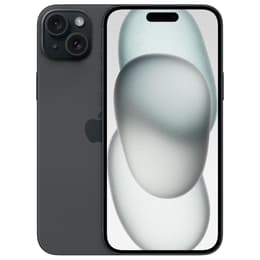
iPhone 12 mini Vs iPhone 15 Plus
- 1-year minimum warranty
- Free delivery on all items
- Free 30-day returns
Differences at a glance
The iPhone 12 Mini (2020) and the iPhone 15 Plus (2023) represent two distinct philosophies within the smartphone market. While the 12 Mini was designed for those who value a compact, pocket-friendly form factor, the 15 Plus is built for users who desire a large display and significant battery endurance. Both devices operate on the same software ecosystem, but the three-year gap between them introduces notable differences in hardware standards and longevity. Choosing an eco-friendly alternative like a refurbished model allows users to access these technologies while supporting a circular economy.
Available Models
Colour
Storage (GB)
Scores
Durability
The release timeline of these devices plays a significant role in their expected functional lifespan and the duration of software support they will receive.
- Software Support Cycles: The iPhone 15 Plus, being a 2023 release, is positioned to receive the latest software updates and security patches for several years beyond the 2020 iPhone 12 Mini, ensuring it remains compatible with new apps for longer.
- Physical Construction: Both models feature a glass and aluminium build with a specialised front cover designed to resist cracks, though the iPhone 15 Plus benefits from internal design changes that make certain components easier to access for repair professionals.
- Long-term Reliability: While the iPhone 12 Mini remains a capable device, its older internal components may begin to show signs of age sooner than the more modern hardware found in the iPhone 15 Plus, affecting its practical lifespan for demanding users.
Year of Release
2020
2023
Compatible with latest Update
Yes
Yes
OS
iOS
iOS
Foldable
No
No
Performance
Daily performance is defined by how smoothly these devices handle multitasking and how long they can operate before needing a power source.
- Battery Performance: The iPhone 15 Plus features a much larger internal battery, which typically provides enough power for a full day of intensive use, whereas the iPhone 12 Mini has a smaller capacity that often requires more frequent charging throughout the day.
- System Fluidity: Users will find that the iPhone 15 Plus handles demanding tasks, such as high-definition video editing or complex mobile games, with greater responsiveness and less heat than the older iPhone 12 Mini.
- Multitasking Efficiency: With more modern internal memory management, the iPhone 15 Plus can keep more applications active in the background, allowing for faster switching between tools without the need for the apps to reload.
Screen quality
The visual experience differs greatly between these two models, primarily due to the physical size of the displays and the brightness they can achieve.
- Display Size and Utility: The 5.4-inch screen of the iPhone 12 Mini is ideal for one-handed typing and portability, while the 6.7-inch display of the iPhone 15 Plus offers a much more immersive experience for watching media or reading long documents.
- Brightness and Clarity: The iPhone 15 Plus features a display that can reach much higher peak brightness levels, which is particularly helpful for maintaining visibility when using the device outdoors in bright daylight.
- Visual Interface: The iPhone 15 Plus introduces a dynamic notification area at the top of the screen that changes shape to show active tasks, whereas the iPhone 12 Mini uses a standard static cutout for its front-facing sensors.
Resolution
1080 x 2340
1290 x 2796
Screen type
Super Retina XDR OLED
Audiovisual
Camera technology has seen significant updates between 2020 and 2023, particularly in terms of sensor resolution and software-assisted image processing.
- Image Resolution: The iPhone 15 Plus is equipped with a 48-megapixel main sensor that captures significantly more detail than the 12-megapixel sensor on the iPhone 12 Mini, resulting in sharper photos that can be cropped without losing clarity.
- Zoom Capabilities: Although neither device has a separate zoom lens, the iPhone 15 Plus uses its high-resolution sensor to offer a high-quality 2x crop, providing more flexibility for framing distant subjects than the 12 Mini.
- Video Features: The iPhone 15 Plus includes advanced video stabilisation that helps remove camera shake during movement, along with improved microphones that capture clearer audio for videos and voice calls.
Main camera
12 megapixels
48 megapixels
Front camera
12 megapixels
12 megapixels
Miscellaneous
Practical considerations such as charging standards and physical weight are key factors that influence the daily user experience of these two smartphones.
- Charging Standards: The iPhone 15 Plus uses a USB-C port, which is the current standard for most modern electronics, while the iPhone 12 Mini relies on the older, proprietary Lightning connector for charging and data transfer.
- Weight and Handling: The iPhone 12 Mini is one of the lightest modern smartphones at approximately 133 grams, making it very easy to hold for long periods, while the iPhone 15 Plus is heavier at 201 grams.
- Connectivity and Sensors: Both devices support 5G for fast mobile data, but the iPhone 15 Plus includes more modern wireless standards that can provide more stable connections in crowded areas or on newer home networks.
Weight
135 g
201 g
Screen size (in)
5.4
6.7
Mobile network
5G
5G
SIM card
Physical SIM + eSIM
Physical SIM + eSIM
Carrier compatibility
Unlocked
Unlocked
Connector
Lightning
USB-C
What the community thinks
Public sentiment on community forums reveals a clear appreciation for the specific niches these two devices fill. The iPhone 12 Mini is frequently celebrated by users who miss the era of small phones, with many praising its ability to fit into small pockets and be used entirely with one thumb. However, the most common criticism involves its battery life, which some users find insufficient for a full day of work. On the other hand, the iPhone 15 Plus receives high marks for its exceptional battery endurance and large, bright screen, though some users find its physical size cumbersome for one-handed use.
Users who prioritise portability, have smaller hands, or prefer a minimalist device will likely find the iPhone 12 Mini to be a suitable choice. Conversely, those who use their phone as a primary device for media consumption, gaming, or long workdays without access to a charger will find the iPhone 15 Plus better aligned with their needs. Opting for a quality-assured refurbished option is a sustainable choice that allows consumers to select the model that best fits their lifestyle while reducing their environmental footprint. Ultimately, the choice depends on whether you value the compact convenience of the Mini or the expansive capabilities of the Plus.