
Compare models
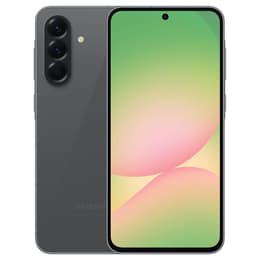
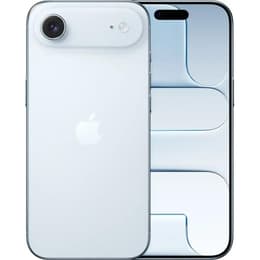
Galaxy A56 Vs iPhone Air
- 1-year minimum warranty
- Free delivery on all items
- Free 30-day returns
Differences at a glance
The Samsung Galaxy A56 (2025) and the Apple iPhone Air (2025) represent two distinct approaches to modern smartphone design, targeting users with different platform preferences and design priorities. While the Galaxy A56 delivers balanced everyday functionality on the Android platform, the iPhone Air emphasizes an ultra-slim profile and streamlined capabilities within the iOS ecosystem. These devices differ significantly in their operating systems, physical build concepts, and target user profiles.
Available Models
Colour
Storage (GB)
Scores
Durability
Both smartphones launched in early to mid-2025, offering modern software foundations designed to last for several years of regular daily use.
- Software Support: The Samsung Galaxy A56 benefits from multi-year operating system upgrades and routine security patches, while the iPhone Air provides long-term iOS updates backed by Apple's extended hardware support lifecycle.
- Build Integrity: The Galaxy A56 utilizes robust glass and frame materials with solid dust and water resistance, whereas the iPhone Air features a rigid titanium construction paired with reinforced screen protection.
- Practical Lifespan: Both models maintain sustained usability for typical daily tasks, media consumption, and communication over extended ownership periods.
Year of Release
2025
2025
Compatible with latest Update
Yes
Yes
OS
Android
iOS
Foldable
No
No
Performance
System responsiveness and daily multitasking vary based on internal hardware configurations and software optimization across both platforms.
- App Loading and Multitasking: Both devices handle everyday apps, web browsing, and media streaming smoothly, though heavier tasks benefit from the advanced processing headroom found in the iPhone Air.
- Battery Behavior: The Galaxy A56 packs a large capacity battery designed to comfortably clear a full day of mixed usage, while the iPhone Air relies on power-efficient hardware to manage battery life within its slim chassis.
- Storage Configurations: Multiple internal storage tiers are available on both models to accommodate photos, applications, and offline media files without built-in expansion slots.
Screen quality
Viewing experiences differ through panel technology choices, sizing, and visual brightness metrics tailored for diverse environments.
- Display Technology: The Galaxy A56 features a vibrant Super AMOLED screen with high contrast, whereas the iPhone Air uses an advanced Super Retina XDR OLED panel with precise color reproduction.
- Refresh Rate and Fluidity: Both displays support high refresh rates up to 120Hz, ensuring smooth scrolling through web pages, menus, and user interfaces.
- Outdoor Visibility: High peak brightness levels on both screens allow for clear legibility when viewing content under direct sunlight or bright outdoor lighting.
Resolution
1080 x 2340
2736x1260
Screen type
Super AMOLED
Super Retina XDR
Audiovisual
Imaging hardware and media output cater to casual photography, video recording, and audio playback needs.
- Camera Systems: The Galaxy A56 provides a versatile multi-lens rear camera setup for varied framing options, while the iPhone Air utilizes a high-resolution single fusion main lens supported by advanced computational photography.
- Video and Low Light: Both devices capture clear low-light photos and stable high-definition video suitable for daily documentation and social sharing.
- Media and Audio: Built-in speaker output delivers clear sound for hands-free calls and casual video viewing, complemented by quality internal microphone arrays.
Main camera
4K@30fps
48 megapixels
Front camera
13 megapixels
18 megapixels
Miscellaneous
Physical dimensions and connectivity standards influence everyday handling comfort and peripheral compatibility.
- Form Factor and Handling: The iPhone Air focuses on a remarkably thin and lightweight profile, whereas the Galaxy A56 presents a slightly thicker and heavier body that houses a larger internal battery.
- Connectivity Options: Both models include modern 5G cellular connectivity, fast Wi-Fi standards, and Bluetooth support for wireless accessories.
- Security Sensors: Secure authentication is handled via responsive in-display fingerprint scanning on the Galaxy A56 and facial recognition technology on the iPhone Air.
Weight
197 g
165 g
Screen size (in)
6.5
6.5
Mobile network
5G
5G
SIM card
Dual Physical SIM + eSIM
eSIM
Carrier compatibility
Unlocked
Unlocked
Connector
USB-C
USB-C
What the community thinks
User feedback from online communities highlights distinct preferences for each device based on ecosystem choice and hardware feel. Owners of the Samsung Galaxy A56 frequently praise its reliable battery longevity, bright display, and balanced feature set within the Android ecosystem. Conversely, users of the iPhone Air often emphasize appreciation for its remarkably slim titanium build, smooth iOS performance, and lightweight handling.
Users prioritizing a traditional sturdy feel, expanded Android customization, and strong everyday battery performance may prefer the Galaxy A56. On the other hand, users valuing an ultra-slim form factor, deep iOS integration, and streamlined hardware will find the iPhone Air well-suited to their needs. For those seeking a quality-assured refurbished option, exploring sustainable choices on Back Market provides an eco-friendly alternative to purchasing brand-new hardware. Ultimately, the right choice depends on individual platform preference and physical design priorities.