
Google Pixel 9 Vs Sony Xperia 1 IV

Google Pixel 9
Google Pixel 9
Starting at

Refurbished price:£327.25

Versus £890.22 new

See options
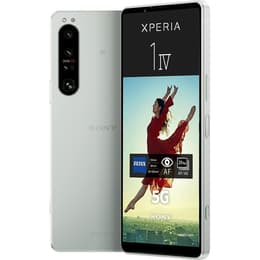
Sony Xperia 1 IV
Sony Xperia 1 IV
Starting at

Refurbished price:£347.00

Versus £1,500.00 new

See options

Ratings

The Google Pixel 9, released in 2024, and the Sony Xperia 1 IV, launched in 2022, represent two distinct philosophies in the Android smartphone market. While the Pixel 9 focuses on a streamlined, software-intelligent experience, the Xperia 1 IV caters to enthusiasts who value professional-grade hardware features and manual control. Both devices run the Android operating system, but the Pixel 9 benefits from a much newer software architecture and a significantly longer commitment to future updates compared to the older Sony model.

The primary difference between these two handsets lies in their intended use: the Pixel 9 is built for ease of use and longevity, whereas the Xperia 1 IV is designed as a specialized tool for creators and multimedia consumers. This comparison explores how these differences impact daily life, from battery performance to screen clarity.

Scores

Durability

The two-year gap between these releases creates a significant divide in terms of software longevity and hardware relevance for the modern user.

  • Software Support: The Pixel 9 is designed for the long term, with the manufacturer promising seven years of operating system and security updates, ensuring it remains functional and secure well into the 2030s.
  • Update Lifecycle: In contrast, the Xperia 1 IV follows a more traditional, shorter support cycle that typically concludes after a few years, meaning it may stop receiving new Android versions much sooner than its counterpart.
  • Physical Resilience: Both phones feature high-grade glass and metal constructions with water and dust resistance, though the Pixel 9's more recent release means its internal components are better aligned with modern repair standards and parts availability.

Year of Release

2024

2022

Compatible with latest Update

Yes

No

OS

Android

Android

Foldable

No

No

Performance

While both devices handle daily tasks with ease, they manage power and multitasking differently based on their internal hardware generations and cooling designs.

  • System Responsiveness: The Pixel 9 offers a highly fluid experience with a focus on background processing and smart features that anticipate user needs, making app switching and navigation feel instantaneous.
  • Thermal Management: The Xperia 1 IV provides high-speed performance for demanding tasks like video editing, though users often note it can become warm during intensive sessions compared to the more thermally efficient Pixel 9.
  • Storage Flexibility: The Xperia 1 IV includes a rare microSD card slot for expandable storage, whereas the Pixel 9 relies entirely on fixed internal storage and cloud services for file management.

Memory (GB)

12 GB

12 GB

Screen quality

The viewing experience differs greatly in shape and technology, with each screen suited to different types of media consumption and environments.

  • Display Proportions: The Xperia 1 IV features a unique 21:9 aspect ratio, creating a tall, narrow screen that is ideal for watching cinematic films without black bars and using two apps simultaneously in split-screen mode.
  • Brightness and Clarity: The Pixel 9 utilises a modern display that reaches much higher peak brightness levels, making it significantly easier to read and use under direct sunlight or in bright outdoor environments.
  • Visual Smoothness: Both devices offer high refresh rates for smooth scrolling, but the Xperia 1 IV boasts a higher resolution that provides incredible detail for high-definition video content, while the Pixel 9 focuses on colour accuracy and power efficiency.

Resolution

1080 x 2424

1644 x 3840

Screen type

OLED

OLED

Audiovisual

Photography and sound are areas where these two devices diverge most sharply, catering to casual users and professionals respectively through different hardware choices.

  • Camera Philosophy: The Pixel 9 relies on advanced software processing to deliver excellent photos automatically, excels in low-light conditions, and simplifies the process of capturing moving subjects without manual adjustment.
  • Manual Control: The Xperia 1 IV is built for those who understand photography, offering a dedicated shutter button and a continuous optical zoom lens that allows for precise framing without losing image detail.
  • Audio Experience: For media enthusiasts, the Xperia 1 IV retains a traditional 3.5mm headphone jack and front-facing stereo speakers, providing a versatile audio setup that the Pixel 9 lacks, as it relies on USB-C or wireless connections.

Main camera

50 megapixels

12 megapixels

Front camera

10.5 megapixels

12 megapixels

Miscellaneous

Practical daily usage is influenced by the physical design and the specific hardware tools included in each handset to assist with security and connectivity.

  • Biometric Security: The Pixel 9 uses a fast, under-display fingerprint sensor that is highly responsive, while the Xperia 1 IV integrates its sensor into the power button on the side, which some users find more natural for one-handed unlocking.
  • Connectivity Standards: As a newer device, the Pixel 9 supports the latest Wi-Fi and Bluetooth standards, ensuring more stable connections with modern routers and accessories compared to the slightly older standards in the Sony.
  • Handling and Build: The Xperia 1 IV is notably narrower, making it easier to grip for those with smaller hands, while the Pixel 9 has a more traditional, wider footprint that provides a larger surface area for typing and interaction.

Weight

198 g

185 g

Screen size (in)

6.3

6,5

Mobile network

5G

5G

SIM card

Physical SIM + eSIM

Physical SIM + eSIM

Carrier compatibility

Unlocked

Unlocked

Connector

USB-C

USB-C + Jack 3.5mm

User feedback highlights a clear divide in who these phones are for. On community forums, the Google Pixel 9 is frequently praised for its reliable camera and the peace of mind provided by its long-term software support. Conversely, the Sony Xperia 1 IV is often celebrated by a niche group of enthusiasts who refuse to give up the headphone jack and microSD slot, though many users express frustration regarding its tendency to run warm and its shorter window of software updates.

Users who prioritise a modern, worry-free experience with the latest software features and a camera that works perfectly every time will likely find the Pixel 9 to be the better fit. Those who are passionate about mobile photography, value professional manual settings, and require physical ports for high-end audio or expandable storage may lean toward the Xperia 1 IV. Choosing a quality-assured refurbished option for either of these devices is an eco-friendly alternative that helps reduce electronic waste while providing a high-performance smartphone experience. Ultimately, the decision rests on whether you value the smart, long-term simplicity of the Pixel or the specialised, hardware-rich versatility of the Xperia.

See all articles

Our recent comparisons