
Compare models

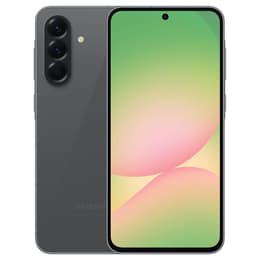
Galaxy A56 Vs iPhone 17 Pro Max

  • 1-year minimum warranty
  • Free delivery on all items
  • Free 30-day returns
Galaxy A56
Starting at

Refurbished price:£264.99

Versus £422.50 new

See options
iPhone 17 Pro Max
Starting at

Refurbished price:£962.00

Versus £1,199.00 new

See options

Differences at a glance

The Samsung Galaxy A56 (2025) and the iPhone 17 Pro Max (2025) represent entirely different segments of the smartphone market, catering to vastly different user expectations. While the Galaxy A56 serves as a balanced mid-range option focusing on everyday utility, the iPhone 17 Pro Max acts as a high-end flagship equipped with advanced hardware. They operate on distinct software platforms—Android and iOS respectively—which influence user interface navigation, app ecosystems, and device integration.

Despite their different market positioning, both devices offer robust functionality tailored to modern communication, media consumption, and digital tasks.

Available Models

Colour

Storage (GB)

Scores

Durability

Evaluating the long-term viability of these devices involves looking at update policies, build quality, and software longevity under daily conditions.

  • Software Support and Longevity: Both manufacturers provide multi-year software and security updates, though flagship models typically receive extended active maintenance windows to ensure long-term usability.
  • Repairability and Build: Both smartphones utilize durable exterior materials designed to withstand everyday wear and tear, and opting for a quality-assured refurbished option provides a sustainable choice that extends the hardware life cycle.
  • Expected Lifespan: Component quality across both models ensures reliable daily performance for several years, depending on individual usage patterns and battery health maintenance.

Year of Release

2025

2025

Compatible with latest Update

Yes

Yes

OS

Android

iOS

Foldable

No

No

Performance

System responsiveness, multitasking capabilities, and energy efficiency vary based on internal hardware configurations and software optimization.

  • Multitasking and App Handling: Both devices manage daily applications, web browsing, and background processes smoothly, though high-end flagships offer additional processing headroom for intensive computing tasks.
  • Storage Configurations: Multiple storage tiers are available across both lineups to accommodate varying user needs for local media, applications, and offline files.
  • Battery Behavior: Battery capacity and power efficiency deliver a full day of typical usage on both models, with larger battery footprints in larger device formats supporting extended screen-on times.

Screen quality

Display characteristics define the visual experience for media playback, gaming, and general navigation.

  • Display Technology: Both smartphones utilize advanced OLED panel technology, delivering deep blacks, high contrast ratios, and vibrant colors for a clear viewing experience.
  • Brightness and Outdoor Visibility: High peak brightness levels ensure text and images remain legible under direct sunlight, making outdoor use comfortable on both screens.
  • Refresh Rate and Smoothness: Fluid high refresh rate support enables seamless scrolling through web pages and animations, enhancing overall tactile responsiveness.

Resolution

1080 x 2340

2868x1320

Screen type

Super AMOLED

Super Retina XDR

Audiovisual

Imaging hardware and computational processing shape photography, video recording, and audio capture capabilities.

  • Camera System Versatility: Both models feature multi-lens configurations that handle everyday snapshots, wide-angle framing, and detailed close-up photography effectively.
  • Low-Light and Video Performance: Advanced sensor hardware and image stabilization produce clear low-light photographs and steady, high-resolution video recordings.
  • Audio and Media Output: Integrated stereo speakers deliver balanced sound reproduction for hands-free calls, media streaming, and casual audio playback without external accessories.

Main camera

4K@30fps

48 megapixels

Front camera

13 megapixels

18 megapixels

Miscellaneous

Physical dimensions, connectivity standards, and practical hardware features influence daily handling and ecosystem compatibility.

  • Connectivity and Ports: Both devices support modern 5G networks, fast Wi-Fi standards, and Bluetooth pairing, utilizing contemporary physical port standards for charging and data transfer.
  • Security and Biometrics: Secure authentication is handled via biometric sensors, offering quick and reliable device unlocking and identity verification.
  • Ergonomics and Build: Size and weight differences affect pocketability and one-handed reach, requiring users to balance screen workspace against physical comfort.

Weight

197 g

233 g

Screen size (in)

6.5

6.9

Mobile network

5G

5G

SIM card

Dual Physical SIM + eSIM

Physical SIM + eSIM

Carrier compatibility

Unlocked

Unlocked

Connector

USB-C

USB-C

What the community thinks

User discussions across online communities highlight distinct preferences for each device based on everyday requirements. Owners of the Galaxy A56 frequently praise its reliable daily performance, balanced feature set, and practical approach to essential smartphone tasks. Conversely, users of the iPhone 17 Pro Max often emphasize appreciation for its expansive display workspace, robust processing capabilities, and advanced media production tools. Common criticisms for the mid-range model typically center on limitations during heavy gaming sessions, while the high-end flagship faces occasional remarks regarding its substantial physical footprint and weight.

Users prioritizing streamlined everyday communication, reliable battery longevity, and balanced utility may prefer the Galaxy A56, while users prioritizing maximum processing headroom, specialized imaging features, and expansive screen real estate will lean toward the iPhone 17 Pro Max. Choosing between them depends on aligning personal daily workflows with each device's specific strengths, and consumers looking for sustainable alternatives can explore quality-assured refurbished options to reduce environmental impact.