Galaxy S21 5G Vs iPhone SE (2020)

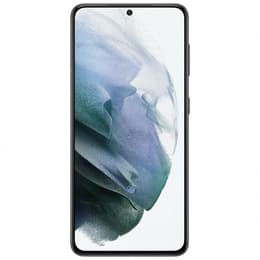
Galaxy S21 5G
Galaxy S21 5G
Starting at

Refurbished price:£128.00

Versus £829.00 new

See options
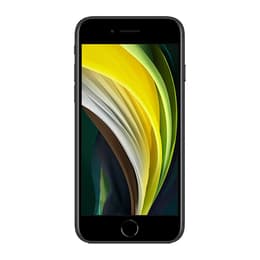
iPhone SE (2020)
iPhone SE (2020)
Starting at

Refurbished price:£67.00

Versus £289.00 new

See options

Ratings

The Samsung Galaxy S21 5G, launched in early 2021, and the Apple iPhone SE (second generation), released in 2020, represent two very different approaches to smartphone design. While the Galaxy S21 5G serves as a modern, feature-rich flagship running the Android operating system, the iPhone SE 2020 offers a familiar, compact experience powered by iOS. These devices cater to distinct user needs, with the Samsung focusing on display technology and high-speed connectivity, while the Apple model prioritises simplicity and a smaller physical footprint.

Scores

Durability

The lifespan of these devices is influenced by their release dates and the software support policies of their respective manufacturers, which determine how long they remain secure and functional.

  • Software Longevity: The Galaxy S21 5G was released in 2021 and typically receives four years of major operating system updates, meaning it remains current for a significant period. The iPhone SE 2020, despite its older release date, benefits from Apple's historically long support cycles, often providing updates for six years or more from its launch.
  • Physical Build and Repair: The Galaxy S21 5G features a polycarbonate back which is highly resistant to cracks from drops, whereas the iPhone SE 2020 uses a glass-backed design that requires more careful handling. Both devices are widely supported by repair services, making battery replacements or screen fixes straightforward for those choosing a sustainable choice like a quality-assured refurbished option.
  • Environmental Resilience: Both smartphones carry high water and dust resistance ratings, ensuring they can withstand accidental splashes or brief submersion, which contributes to their overall practical lifespan in daily use.

Year of Release

2021

2020

Compatible with latest Update

Yes

Yes

OS

Android

iOS

Foldable

No

No

Performance

Daily performance differs significantly between these two models, particularly when handling demanding applications or multitasking between several tasks simultaneously.

  • System Responsiveness: The Galaxy S21 5G is designed for high-intensity usage, allowing users to switch between many open apps without lag or reloading. In contrast, the iPhone SE 2020 provides a very smooth experience for standard tasks like messaging and browsing, though it may struggle more than the Samsung when managing numerous background processes at once.
  • Battery Endurance: Users will find that the Galaxy S21 5G generally lasts through a full day of moderate to heavy use thanks to its larger internal capacity. The iPhone SE 2020 has a much smaller battery, which often necessitates a midday charge for users who frequently stream video or use navigation apps throughout the day.
  • Storage and Efficiency: Both devices offer various storage capacities to house photos and apps, but the Galaxy S21 5G's internal hardware is better suited for modern mobile gaming and high-resolution video editing, maintaining a consistent speed even under heavy load.

Memory (GB)

8 GB

3 GB

Screen quality

The viewing experience is perhaps the most immediate difference between these two smartphones, affecting everything from reading text to watching movies.

  • Display Technology: The Galaxy S21 5G features a large, vibrant AMOLED screen that produces deep blacks and high contrast, making it ideal for media consumption. The iPhone SE 2020 uses a traditional LCD panel which, while clear and colour-accurate, does not offer the same level of depth or vibrancy found on the Samsung.
  • Motion Smoothness: A key feature of the Galaxy S21 5G is its high refresh rate, which makes scrolling through social media feeds and animations appear exceptionally fluid. The iPhone SE 2020 uses a standard refresh rate that feels responsive but lacks the ultra-smooth visual transition found on its competitor.
  • Outdoor Visibility: The Samsung display can reach much higher brightness levels, which is a significant advantage when trying to read the screen under direct sunlight. The iPhone SE 2020 remains legible outdoors but may require more effort to view clearly in very bright environments.

Resolution

1080 x 2400

750 x 1334

Screen type

Dynamic AMOLED 2X

Retina IPS LCD

Audiovisual

Photography and media playback capabilities highlight the generational and design philosophy gap between these two handsets.

  • Camera Versatility: The Galaxy S21 5G is equipped with three distinct rear lenses, including a dedicated telephoto lens for zooming into distant subjects and an ultra-wide lens for expansive landscapes. The iPhone SE 2020 relies on a single rear lens, which takes high-quality photos in good lighting but lacks the flexibility to capture wide-angle or zoomed-in shots without losing detail.
  • Low-Light Performance: When taking photos in dark environments, the Galaxy S21 5G uses advanced processing to brighten images and reduce grain. The iPhone SE 2020 does not have a dedicated night mode, meaning photos taken in dim settings often appear darker and less detailed than those from the Samsung.
  • Video and Audio: Both devices record high-quality video with effective stabilisation, but the Galaxy S21 5G offers higher resolution options for those who want the most detail possible. For audio, both feature stereo speakers that provide clear sound for videos and calls, though the Samsung's larger frame allows for a slightly fuller sound profile.

Main camera

12 megapixels

12 megapixels

Front camera

10 megapixels

7 megapixels

Miscellaneous

Practical daily interactions, from unlocking the phone to connecting to networks, vary based on the hardware features included in each model.

  • Connectivity Standards: The Galaxy S21 5G supports the latest high-speed mobile networks, providing faster download speeds in areas with 5G coverage. The iPhone SE 2020 is limited to 4G LTE, which is still perfectly functional for most tasks but lacks the future-proofing of the Samsung model.
  • Biometric Security: Samsung uses an ultrasonic fingerprint sensor hidden beneath the display glass, allowing for a modern, all-screen look. Apple retains the classic Home button with a physical fingerprint sensor, which many users find tactile and reliable, even if it results in larger borders around the screen.
  • Physical Handling: Due to its much smaller dimensions and lighter weight, the iPhone SE 2020 is exceptionally easy to use with one hand and fits comfortably in small pockets. The Galaxy S21 5G is larger but remains relatively compact compared to other modern flagships, offering a balance between screen size and portability.

Weight

169 g

148 g

Screen size (in)

6.2

4.7

Mobile network

5G

4G

SIM card

Dual Physical SIM + eSIM

Physical SIM + eSIM

Carrier compatibility

Unlocked

Unlocked

The choice between the Samsung Galaxy S21 5G and the iPhone SE 2020 often comes down to a preference for modern versatility versus classic simplicity. According to user discussions on various tech forums, the Galaxy S21 5G is frequently praised for its stunning display and the flexibility of its triple-camera system, though some users note that the plastic back feels different from previous glass models. Conversely, the iPhone SE 2020 is lauded for its compact size and the familiarity of the physical Home button, though its battery life is a common point of concern for those who use their phones heavily throughout the day.

Users who prioritise a high-quality screen for watching videos, need 5G connectivity, or enjoy taking a variety of photos will likely find the Galaxy S21 5G better suited to their lifestyle. On the other hand, users who prefer a small device that is easy to operate with one hand and who value the straightforward nature of the iOS ecosystem may lean toward the iPhone SE 2020. Both devices remain capable options in the current market, and choosing an eco-friendly alternative like a quality-assured refurbished model allows users to access these technologies while supporting more sustainable consumption habits. Ultimately, the decision rests on whether you value the cutting-edge features of a modern flagship or the reliable, compact design of a traditional smartphone.

See all articles

Our recent comparisons