Galaxy S20 5G Vs iPhone 12 Pro Max

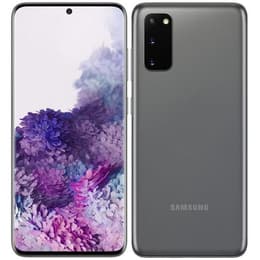
Galaxy S20 5G
Galaxy S20 5G
Starting at

Refurbished price:£133.00

Versus £899.00 new

See options
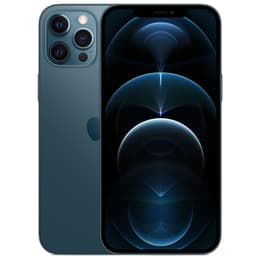
iPhone 12 Pro Max
iPhone 12 Pro Max
Starting at

Refurbished price:£236.00

Versus £979.00 new

See options

Ratings

The Samsung Galaxy S20 5G and the Apple iPhone 12 Pro Max both arrived in 2020, representing the flagship visions of their respective manufacturers. While the Galaxy S20 5G focuses on a compact form factor with a high-refresh-rate display, the iPhone 12 Pro Max offers a significantly larger screen and a focus on professional-grade photography.

These devices run on different operating systems—Android and iOS—which often dictates the user experience more than the hardware itself. Choosing between them involves weighing the benefits of a portable, fluid Android experience against a large-format, deeply integrated iOS device.

Scores

Durability

Both smartphones have reached a point in their lifecycle where software support and physical longevity become primary considerations for long-term use. Choosing a sustainable choice like a refurbished model can also ensure these devices stay in use longer.

  • Software Longevity: The iPhone 12 Pro Max typically receives iOS updates for a longer duration than its Android counterparts, often extending six or seven years from its release date. The Galaxy S20 5G has reached the end of its major Android OS update cycle, though it may still receive security patches for a limited time.
  • Physical Build: The iPhone 12 Pro Max features a stainless steel frame and Ceramic Shield glass, which provides high resistance to drops and scratches. The Galaxy S20 5G uses a glass and aluminium construction that is durable but lacks the reinforced front glass of the iPhone.
  • Repairability: Both devices have established repair networks, making it relatively straightforward to replace batteries or screens through professional services, which helps extend their practical lifespan.

Year of Release

2020

2020

Compatible with latest Update

No

Yes

OS

Android

iOS

Foldable

No

No

Performance

While these devices use different internal architectures, both provide a smooth experience for daily tasks, though they handle multitasking and heavy workloads differently.

  • System Responsiveness: The Galaxy S20 5G includes a high amount of memory, which allows it to keep many apps open in the background without reloading. The iPhone 12 Pro Max uses its resources efficiently, ensuring that even with less numerical memory, the interface remains fluid and responsive during intensive tasks like video editing or gaming.
  • Battery Life: The iPhone 12 Pro Max is known for its endurance, often lasting through a full day of heavy use thanks to its large physical size and efficient software. The Galaxy S20 5G has a smaller battery to fit its compact frame, which may require more frequent charging for power users.
  • Storage Flexibility: The Galaxy S20 5G offers the flexibility of expandable storage via a memory card slot, allowing users to increase space for photos and files easily. The iPhone 12 Pro Max relies solely on internal storage.

Memory (GB)

12 GB

6 GB

Screen quality

The viewing experience differs significantly between these two models, primarily due to the size and the technology used to handle motion.

  • Display Fluidity: The Galaxy S20 5G features a high refresh rate, which makes scrolling through menus and social media feeds appear exceptionally smooth. The iPhone 12 Pro Max operates at a standard refresh rate, which is consistent and clear but lacks the ultra-fluid motion found on the Samsung.
  • Size and Immersion: With a 6.7-inch display, the iPhone 12 Pro Max provides a massive canvas for watching videos and reading, though it can be difficult to use with one hand. The Galaxy S20 5G has a 6.2-inch screen that is much easier to handle while still offering high resolution and vibrant colours.
  • Outdoor Visibility: Both screens use advanced OLED technology that produces deep blacks and high contrast. They both reach high brightness levels, ensuring that text remains legible even when used under direct sunlight.

Resolution

1440 x 3200

1284 x 2778

Screen type

Dynamic AMOLED 2X

Super Retina XDR OLED

Audiovisual

Photography and video are highlights for both devices, though they cater to slightly different creative preferences and use cases.

  • Zoom and Versatility: The Galaxy S20 5G excels at capturing distant subjects thanks to its high-resolution telephoto lens, which allows for clear shots even when zoomed in. The iPhone 12 Pro Max offers a more modest zoom range but focuses on colour accuracy and consistent performance across all its lenses.
  • Low-Light Performance: The iPhone 12 Pro Max utilises a specialised stabilisation system and a depth sensor, which helps it focus quickly and capture detailed images in dark environments. The Galaxy S20 5G also performs well in low light, using software processing to brighten scenes.
  • Video and Audio: For video creators, the iPhone 12 Pro Max is often preferred for its smooth stabilisation and high-quality recording formats. Both devices feature stereo speakers that provide clear, loud audio for media consumption.

Main camera

12 megapixels

12 megapixels

Front camera

10 megapixels

12 megapixels

Miscellaneous

Practical daily use is influenced by the physical design and the specific hardware features each manufacturer has chosen to include.

  • Biometrics and Security: The iPhone 12 Pro Max uses facial recognition for secure unlocking, which is fast and works well in most lighting conditions. The Galaxy S20 5G uses a fingerprint sensor built into the screen, which some users find more convenient when the phone is flat on a desk.
  • Connectivity and Ports: Both phones support 5G networks for fast mobile data. The Galaxy S20 5G uses the universal USB-C port, making it compatible with a wide range of modern accessories. The iPhone 12 Pro Max uses the proprietary Lightning port, which requires specific cables.
  • Ergonomics: The Galaxy S20 5G is significantly lighter and narrower, making it a better choice for users who prefer a phone that fits easily in a pocket. The iPhone 12 Pro Max is heavier and wider, offering a substantial feel that some users associate with durability.

Weight

163 g

226 g

Width

6,91 cm

7,81 cm

Height

15,17 cm

16,08 cm

Depth

0,79 cm

0,74 cm

Screen size (in)

6.2

6.7

Mobile network

5G

5G

SIM card

Dual Physical SIM

Physical SIM + eSIM

Carrier compatibility

Unlocked

Unlocked

Connector

USB-C

Lightning

The choice between the Galaxy S20 5G and the iPhone 12 Pro Max often comes down to a preference for size and software ecosystem. User discussions on community forums frequently highlight the Galaxy S20 5G for its comfortable one-handed design and the smoothness of its high-refresh-rate screen. However, some users note that its battery life can be inconsistent compared to larger models. Conversely, the iPhone 12 Pro Max is praised for its exceptional battery endurance and the reliability of its camera system, though its large size and weight are common points of criticism for those who prefer portability.

Users who prioritise a compact, lightweight device with a very smooth screen and expandable storage will find the Galaxy S20 5G aligns well with their needs. Those who prefer a large-screen experience, long-term software updates, and a highly capable video camera may lean toward the iPhone 12 Pro Max. For those looking to make a sustainable choice, choosing a quality-assured refurbished option for either model is an eco-friendly alternative that extends the life of these capable devices. Ultimately, both smartphones remain powerful tools in 2026, offering high-end features that continue to serve professionals and casual users alike.

See all articles

Our recent comparisons