Galaxy Z Fold5 Vs iPhone 14 Pro Max

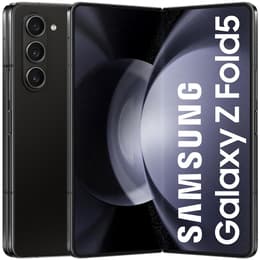
Galaxy Z Fold5
Galaxy Z Fold5
Starting at

Refurbished price:£413.00

Versus £1,770.61 new

See options
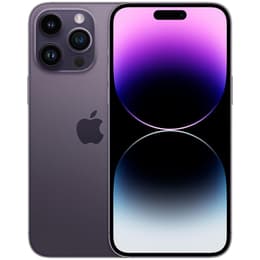
iPhone 14 Pro Max
iPhone 14 Pro Max
Starting at

Refurbished price:£327.00

Versus £1,199.00 new

See options

Ratings

The Samsung Galaxy Z Fold5 (2023) and the iPhone 14 Pro Max (2022) represent two distinct philosophies in the high-end smartphone market. While the Galaxy Z Fold5 focuses on a transformative foldable design that doubles as a small tablet, the iPhone 14 Pro Max refines the traditional large-screen experience with a focus on camera excellence and software integration. These devices run on Android and iOS respectively, offering vastly different user interfaces and ecosystem benefits for different types of mobile users.

Released just one year apart, these models cater to users who want the most expansive displays available, though they achieve this through very different engineering approaches. The Galaxy Z Fold5 is built for those who want to carry a pocketable workstation, whereas the iPhone 14 Pro Max is designed for those who value a refined, consistent, and powerful traditional smartphone experience.

Scores

Durability

The Galaxy Z Fold5 was released a year after the iPhone 14 Pro Max, which typically influences the length of software support and the overall technological relevance of the hardware over time.

  • Software Longevity: The iPhone 14 Pro Max is expected to receive iOS updates for several years, following Apple's history of long-term support, while the Galaxy Z Fold5 benefits from Samsung's commitment to four generations of Android upgrades and five years of security patches.
  • Physical Resilience: The iPhone features a traditional solid build with a ceramic-shielded front and stainless steel frame, whereas the Galaxy Z Fold5 incorporates a complex hinge mechanism and a flexible internal screen that requires more careful handling to maintain its integrity over several years.
  • Repair Access: Traditional smartphones like the iPhone 14 Pro Max are generally more straightforward for technicians to service compared to the intricate internal components and folding display of the Galaxy Z Fold5, which may impact the ease of keeping the device in peak condition long-term.

Year of Release

2023

2022

Compatible with latest Update

Yes

Yes

OS

Android

iOS

Foldable

Yes

No

Performance

Both devices provide a highly responsive experience, though they cater to different styles of productivity and entertainment through their internal hardware and memory management.

  • Multitasking Capabilities: The Galaxy Z Fold5 is specifically designed for running multiple apps simultaneously on its large internal screen, utilizing its high RAM capacity to keep several windows active at once without slowing down.
  • System Fluidity: The iPhone 14 Pro Max offers a consistently smooth interface with animations that feel immediate, handling demanding mobile games and high-resolution video editing without hesitation thanks to its highly efficient internal architecture.
  • Battery Management: While both devices easily last through a full day of standard use, the iPhone 14 Pro Max is often noted for its efficiency during standby, whereas the Galaxy Z Fold5's power consumption varies depending on how often the larger internal screen is utilised compared to the smaller cover display.

Memory (GB)

12 GB

6 GB

Screen quality

The most striking difference between these two smartphones lies in their display technology and how users interact with visual content on a daily basis.

  • Display Versatility: The Galaxy Z Fold5 features a dual-screen setup, including a narrow outer display for quick tasks and a massive, vibrant internal screen that provides an expansive canvas for reading, spreadsheets, and videos.
  • Visual Clarity: The iPhone 14 Pro Max utilises a high-quality OLED panel that delivers deep blacks and high peak brightness, ensuring the screen remains easily readable even under direct sunlight while maintaining accurate colours.
  • Interaction Smoothness: Both models support high refresh rates, which means scrolling through social media feeds or navigating menus feels fluid and responsive to the touch, though the Galaxy Z Fold5 does have a visible crease in the centre of the folding screen.

Resolution

1812 x 2176

1290 x 2796

Screen type

Foldable Dynamic AMOLED 2X

LTPO Super Retina XDR OLED

Audiovisual

Photography enthusiasts will find that both devices offer sophisticated camera systems, though they excel in different areas of image capture and video production.

  • Zoom and Versatility: The Galaxy Z Fold5 provides a flexible range of focal lengths, allowing users to capture distant subjects clearly, while also offering unique hands-free photo opportunities by partially folding the device to act as its own tripod.
  • Video and Detail: The iPhone 14 Pro Max is widely recognised for its natural-looking video recording and high-resolution main sensor, which captures significant detail for those who like to crop or edit their photos without losing sharpness.
  • Low-Light Performance: Both smartphones use advanced processing to brighten dark scenes, though the iPhone often prioritises a more realistic colour balance and reduced noise in challenging lighting conditions like evening cityscapes.

Main camera

50 megapixels

48 megapixels

Front camera

4 megapixels

12 megapixels

Miscellaneous

Beyond the screens and cameras, the physical design, connectivity options, and biometric security define the daily experience of owning these devices.

  • Biometric Security: The iPhone 14 Pro Max uses facial recognition technology for secure unlocking and payments, while the Galaxy Z Fold5 opts for a fingerprint sensor built into the side power button for quick access regardless of whether the device is open or closed.
  • Portability and Weight: Due to its folding nature, the Galaxy Z Fold5 is thicker when closed but offers a larger screen when open, whereas the iPhone 14 Pro Max is a wide, flat device that may feel substantial in the hand due to its premium materials.
  • Connectivity and Ports: The iPhone 14 Pro Max uses a proprietary charging port, while the Galaxy Z Fold5 uses the more universal USB-C standard, which is common across most modern electronics, and it also supports a digital stylus for precise note-taking.

Weight

150 g

120 g

Screen size (in)

7.6

6.7

Mobile network

4G

5G

SIM card

Dual Physical SIM + eSIM

Physical SIM + eSIM

Carrier compatibility

Unlocked

Unlocked

Connector

USB-C

Lightning

User feedback on community forums highlights a clear divide in preference based on lifestyle and daily habits. The Galaxy Z Fold5 is frequently praised by users who value the ability to work on the go, with many noting that the large screen has replaced their need for a separate tablet. However, some users express caution regarding the long-term durability of the folding screen and the narrowness of the front display. Conversely, the iPhone 14 Pro Max receives consistent acclaim for its reliable battery life and the integration of the Dynamic Island, though some find its large size and weight a bit cumbersome for one-handed use over long periods.

Choosing between these two depends on your primary needs. Users prioritising productivity, document editing, and a futuristic design will likely find the Galaxy Z Fold5 more aligned with their goals. Those who prefer a dependable, high-performance camera and a familiar, long-lasting software experience will likely lean toward the iPhone 14 Pro Max. For those looking to make a sustainable choice, opting for a quality-assured refurbished option is an eco-friendly alternative that provides these high-end features while reducing electronic waste. As a sustainable choice, these devices remain highly capable years after their initial release. Ultimately, both devices represent the peak of their respective categories, offering distinct ways to stay connected and productive in a modern mobile environment.


See all articles

Our recent comparisons