
iPhone 14 Pro Vs OnePlus 10 Pro

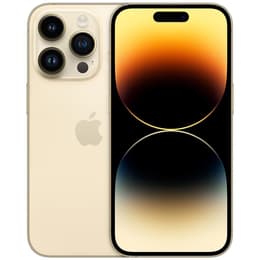
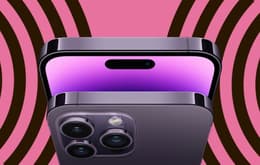
iPhone 14 Pro
iPhone 14 Pro
Starting at

Refurbished price:£304.00

Versus £1,099.00 new

See options
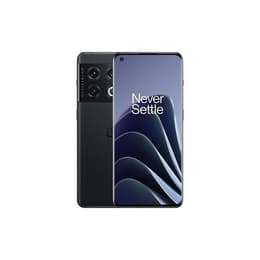
OnePlus 10 Pro
OnePlus 10 Pro
Starting at

Refurbished price:£391.00

Versus £769.39 new

See options

Ratings

The iPhone 14 Pro (2022) and the OnePlus 10 Pro (2022) represent the pinnacle of their respective manufacturers' design philosophies for that year. While the iPhone 14 Pro offers a compact, high-performance experience within the Apple ecosystem, the OnePlus 10 Pro provides a larger, Android-based alternative with a focus on rapid charging and display immersion. These devices cater to different user preferences regarding software, physical size, and daily interaction styles, making the choice between them a matter of personal workflow and ergonomic preference.

Scores

Durability

The iPhone 14 Pro and OnePlus 10 Pro offer different long-term ownership experiences based on software commitments and physical construction materials.

  • Software Longevity: Apple typically provides iOS updates for six to seven years, meaning the iPhone 14 Pro is expected to remain current until approximately 2028 or 2029. In contrast, OnePlus committed to four major Android version updates and five years of security patches for the 10 Pro, which provides a clear but slightly shorter support window for the latest features.
  • Physical Resilience: The iPhone 14 Pro utilises a stainless steel frame and Ceramic Shield glass, which provides significant structural rigidity and scratch resistance. The OnePlus 10 Pro uses a more traditional aluminium frame with Gorilla Glass Victus, offering a lighter feel while maintaining high standards for daily durability.
  • Repair Accessibility: Both devices feature glass-heavy designs that can be challenging to repair without specialised equipment. While third-party repair shops are widely available for both, the iPhone's internal layout is often noted for its complexity, whereas the OnePlus follows a more standard modular approach for certain components like the battery and charging port.

Year of Release

2022

2022

Compatible with latest Update

Yes

Yes

OS

iOS

Android

Foldable

No

No

Performance

Daily performance on both devices remains fluid, though they prioritise different aspects of the user experience such as charging speed and background task management.

  • System Responsiveness: The iPhone 14 Pro is designed for high efficiency, allowing it to handle intensive video editing and high-end gaming with minimal heat buildup. The OnePlus 10 Pro focuses on a fast and smooth experience, using high amounts of temporary memory to keep multiple applications open simultaneously without needing to reload them frequently.
  • Power Management: While both devices easily last through a full day of standard use, the OnePlus 10 Pro features exceptionally fast wired charging capabilities that can replenish the battery in under forty minutes. The iPhone 14 Pro charges more slowly but offers highly optimised standby times, ensuring the battery drains very little when the phone is not in active use.
  • Storage and Multitasking: Users can find both devices in various storage capacities to suit their needs for local file saving. The OnePlus 10 Pro often comes with higher memory configurations, which benefits users who frequently switch between many demanding apps, while the iPhone's software management ensures a consistent feel regardless of the number of active processes.

Memory (GB)

6 GB

8 GB

Screen quality

The visual experience differs significantly between these two models, primarily due to their physical dimensions and the way they handle brightness and motion.

  • Display Technology and Size: The OnePlus 10 Pro features a large 6.7-inch curved display that provides an immersive experience for watching videos or playing games. The iPhone 14 Pro uses a smaller 6.1-inch flat display, which makes it easier to use with one hand while still providing deep blacks and high contrast through its advanced OLED technology.
  • Outdoor Visibility: For users who frequently use their phones in direct sunlight, the iPhone 14 Pro offers a very high peak brightness that ensures the screen remains legible even in harsh lighting conditions. The OnePlus 10 Pro also performs well outdoors, though its peak brightness levels are generally lower than those of the iPhone, making it slightly less clear in the brightest environments.
  • Motion and Fluidity: Both smartphones utilise technology that allows the screen to adjust its refresh rate dynamically up to 120Hz. This results in smooth scrolling and animations while conserving battery life when the screen is static, such as when reading a long article or viewing a static photo.

Resolution

1179 x 2556

1440 x 3216

Screen type

LTPO Super Retina XDR OLED

LTPO2 Fluid AMOLED

Audiovisual

Photography and videography are central to both devices, with each manufacturer taking a distinct approach to image processing and hardware configuration.

  • Image Processing and Colour: The OnePlus 10 Pro, developed in collaboration with Hasselblad, focuses on providing natural colour calibration and a wide field of view with its unique ultrawide lens. The iPhone 14 Pro introduces a high-resolution main sensor that uses advanced processing to capture more detail and improve performance in dimly lit environments.
  • Video Capabilities: The iPhone 14 Pro is widely recognised for its video stability and features like Cinematic mode, which adds a professional-looking blur to the background of videos. The OnePlus 10 Pro offers robust video recording options, including high-resolution 8K capture and various manual controls for users who prefer to adjust their settings precisely for creative projects.
  • Front-Facing Features: The iPhone 14 Pro features the Dynamic Island, which integrates the front camera and sensors into a functional software interface for notifications and background activities. The OnePlus 10 Pro uses a more traditional, small punch-hole cutout in the corner of the screen, providing a less intrusive viewing experience for full-screen content.

Main camera

48 megapixels

48 megapixels

Front camera

12 megapixels

32 megapixels

Miscellaneous

Practical daily usage is influenced by the physical ports, biometric security methods, and the overall ergonomics of each handset.

  • Biometric Security: The iPhone 14 Pro relies exclusively on FaceID, which uses 3D mapping to unlock the device and authorise payments securely. The OnePlus 10 Pro utilises an in-display optical fingerprint sensor, which many users find convenient for quick access without needing to look directly at the phone or remove a face covering.
  • Connectivity and Ports: The OnePlus 10 Pro uses the universal USB-C standard for charging and data transfer, making it compatible with a wide range of modern accessories. The iPhone 14 Pro uses the proprietary Lightning port, which may require specific cables, though it also supports magnetic wireless charging for convenient accessory attachment.
  • Handling and Build: Due to its stainless steel frame and compact size, the iPhone 14 Pro feels dense and substantial in the hand. The OnePlus 10 Pro, while larger, uses aluminium to keep the weight manageable, and its curved edges are designed to make the wide frame feel more comfortable during extended use.

Weight

206 g

201 g

Screen size (in)

6.1

6.7

Mobile network

5G

5G

SIM card

Physical SIM + eSIM

Physical SIM

Carrier compatibility

Unlocked

Unlocked

Connector

Lightning

USB-C

When looking at community feedback from various user forums, owners often praise the iPhone 14 Pro for its consistent camera performance and the seamless way it integrates with other devices in the same ecosystem. However, some users find the transition to the Dynamic Island takes time to get used to. The OnePlus 10 Pro receives significant acclaim for its rapid charging speeds and the quality of its large, vibrant display, though some enthusiasts note that the software experience has changed significantly from earlier versions of the brand's interface.

Choosing between these two depends largely on your priorities. Users who prefer a compact device that will receive software updates for many years and offers a highly reliable video recording experience will likely find the iPhone 14 Pro fits their lifestyle. On the other hand, those who value a large screen for media consumption, extremely fast charging, and the flexibility of the Android operating system may lean toward the OnePlus 10 Pro.

For those looking to make a more sustainable choice, both devices are available as a quality-assured refurbished option. Opting for a refurbished smartphone is an eco-friendly alternative that helps reduce electronic waste while providing a device that has been thoroughly tested for performance. Ultimately, both the iPhone 14 Pro and the OnePlus 10 Pro remain capable and modern choices for any smartphone user in 2026.

See all articles

Our recent comparisons