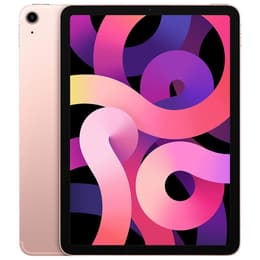
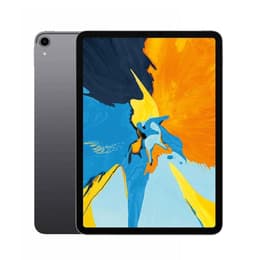

iPad Air 4 (2020, A14 series) Vs iPad Pro (2018, A12 series)

iPad Air 4 (2020, A14 series)
Starting at

Refurbished price:£215.00

Versus £579.00 new

See options
iPad Pro (2018, A12 series)
Starting at

Refurbished price:£225.99

Versus £769.00 new

See options

Ratings

The iPad Air 2020 and the iPad Pro 2018 are two distinct tablet offerings from Apple, released in 2020 and 2018, respectively. While both devices provide a premium tablet experience running on iPadOS, they cater to slightly different user needs through variations in their display technology, biometric authentication methods, and internal processing capabilities. Both models offer a versatile platform for productivity, creativity, and entertainment.

Scores

Durability

When considering the longevity of these tablets, several factors come into play, including their release timelines, software support, and physical design.

  • Release Timeline: The iPad Air 2020 was released two years after the iPad Pro 2018. This difference in launch date typically translates to a longer period of official software updates for the newer Air model, extending its practical lifespan for receiving the latest iPadOS features and security patches.
  • Software Support: Apple generally provides software updates for its devices for approximately 5-6 years from their release. Given its later release, the iPad Air 2020 is expected to receive software support for a longer duration than the iPad Pro 2018. Users on Reddit have noted that older iPads, including the Air 2, have held up well for many years, suggesting a robust build quality across the line.
  • Repairability: Both models feature a unibody aluminum design. While specific repairability scores can vary, both are designed with a certain level of durability in mind, though internal repairs are generally complex for Apple tablets.

Year of Release

2020

2018

Compatible with latest Update

Yes

Yes

OS

iPadOS

iPadOS

Maximum Operating System supported

iPadOS 18

iPadOS 18

Performance

The performance of a tablet is largely dictated by its internal processing unit, which influences everything from app responsiveness to multitasking efficiency and battery usage.

  • Processing Power: The iPad Air 2020 features a newer generation processor, which offers improved efficiency and performance for demanding applications and multitasking. This allows for smoother operation and faster processing of complex tasks, such as video editing or graphic design. The iPad Pro 2018, while older, was equipped with a powerful processor for its time, capable of handling intensive workloads and offering performance comparable to some laptops.
  • Multitasking and Responsiveness: Both tablets are capable of handling multiple applications simultaneously. The iPad Air 2020's newer processor provides a slight edge in sustained performance for heavy multitasking and future-proofing against more demanding software. User experiences suggest that the iPad Air 2020 remains snappy and capable even with newer iPadOS versions.
  • Battery Behavior: Both models are designed to offer up to 10 hours of web surfing on Wi-Fi or video watching. Real-world usage can vary, but both generally provide a full day of moderate use. Some users of the iPad Air 2020 have reported good battery longevity over time.

Memory (GB)

4 GB

4 GB

Processor

Apple A14 Bionic

Apple A12X Bionic

Screen quality

The display is a primary interaction point for any tablet, and both the iPad Air 2020 and iPad Pro 2018 offer high-quality visual experiences with some key differences.

  • Display Technology and Resolution: Both devices feature a Liquid Retina IPS LCD display. The iPad Air 2020 has a 10.9-inch display with a resolution of 2360 x 1640 pixels. The iPad Pro 2018 is available in 11-inch (2388 x 1668 pixels) and 12.9-inch (2732 x 2048 pixels) variants, offering slightly larger screen real estate and higher resolutions on the larger model. Both displays offer wide color support (P3) and True Tone technology for adaptive white balance.
  • Refresh Rate: A significant difference lies in the refresh rate. The iPad Air 2020 features a standard 60Hz refresh rate. In contrast, the iPad Pro 2018 includes ProMotion technology, which allows for an adaptive refresh rate up to 120Hz. This results in smoother scrolling and more fluid motion, particularly noticeable during fast-paced content or when using the Apple Pencil.
  • Brightness: The iPad Air 2020 offers a typical brightness of 500 nits. The iPad Pro 2018 generally achieves a higher brightness of around 600 nits, which can be beneficial for outdoor visibility.

Resolution

2360 x 1640

2388 x 1668

True Tone

Yes

Yes

Pro-Motion

No

Yes

Screen type

Liquid Retina display

Liquid Retina display

Pixel density

264ppp

264ppp

Brightness

500 nits brightness

600 nits brightness

Sound quality

Speakers

Stereo speakers

Four speaker audio

Audiovisual

While tablets are not typically primary photography devices, both models are equipped with capable camera systems for various uses, including video calls, document scanning, and casual photography.

  • Rear Camera System: Both the iPad Air 2020 and the iPad Pro 2018 feature a 12-megapixel wide-angle rear camera with an f/1.8 aperture. This camera is capable of recording 4K video at various frame rates. The iPad Pro 2018's rear camera includes Smart HDR for improved dynamic range.
  • Front Camera System: The iPad Air 2020 has a 7-megapixel front-facing camera. The iPad Pro 2018 also features a 7-megapixel front-facing TrueDepth camera, which supports Portrait Mode, Portrait Lighting, and Smart HDR, and is designed for Face ID authentication. Users have noted the iPad Air's front camera performs well in low light and for video calls.
  • Audio Recording and Playback: The iPad Air 2020 features two speakers and good microphones for video calls. The iPad Pro 2018, however, boasts a four-speaker audio system and multiple microphones, providing a more immersive audio experience and clearer sound capture for recordings and calls.

Miscellaneous

Beyond core performance and display, several practical features differentiate these two tablets, impacting their daily usability and accessory compatibility.

  • Biometric Authentication: The iPad Air 2020 integrates Touch ID into its top power button for secure unlocking and authentication. The iPad Pro 2018 utilizes Face ID, Apple's facial recognition system, which works in both portrait and landscape orientations.
  • Connectivity and Ports: Both tablets feature a USB-C port for charging, data transfer, and connecting accessories. This allows for broader compatibility with external devices compared to the older Lightning connector. Both support Wi-Fi (802.11ac for Pro 2018, Wi-Fi 6 for Air 2020) and Bluetooth 5.0. Cellular models for both offer Gigabit-class LTE.
  • Dimensions and Weight: The 10.9-inch iPad Air 2020 measures 247.6 x 178.5 x 6.1 mm and weighs approximately 458-460 grams. The 11-inch iPad Pro 2018 is slightly thinner and lighter at 247.6 x 178.5 x 5.9 mm and around 468 grams. The 12.9-inch iPad Pro 2018 is larger and heavier.
  • Accessory Support: Both devices support the second-generation Apple Pencil and the Magic Keyboard, enhancing their utility for creative and productivity tasks.

Weight

458 g

468 g

Width

17.85 cm

17.85 cm

Height

24.76 cm

24.76 cm

Depth

0.61 cm

0.59 cm

Screen size (in)

10.9

11

Network

Wi-Fi

Wi-Fi

Carrier compatibility

Without SIM Port

Without SIM Port

Wi-Fi technology

Wi-Fi 6 802.11ax

Wi-Fi 6 802.11a/b/g/n/ac

Bluetooth Version

Bluetooth 5.0

Bluetooth 5.0

Face ID

No

Yes

Touch ID

Yes

No

Connector

USB Type-C

USB Type-C

The iPad Air 2020 and iPad Pro 2018 each present compelling options, with user feedback highlighting their respective strengths. Users often praise the iPad Air 2020 for its modern design, strong performance from its newer processor, and the convenience of Touch ID integrated into the power button. Many consider it an excellent all-rounder, offering a premium experience without some of the Pro-specific features. Common sentiments suggest it's a powerful machine that holds up well over time for everyday tasks and even more intensive use like college work.

The iPad Pro 2018, despite being an older model, is frequently lauded for its ProMotion 120Hz display, which provides a noticeably smoother visual experience, and its Face ID authentication. Its powerful processor for its generation also means it continues to perform well for many users, especially those engaged in creative work or heavy multitasking. Some users appreciate its robust audio system with four speakers.

For users prioritizing the absolute latest processor for future-proofing and a more recent release date for extended software support, the iPad Air 2020 may be a more suitable choice. Its design, with Touch ID in the power button, offers a familiar and convenient authentication method. On the other hand, individuals who value the fluid visual experience of a 120Hz ProMotion display, the convenience of Face ID, and a more advanced audio system might find the iPad Pro 2018 to be a better fit, especially if they can find it as a quality-assured refurbished option. Both tablets offer a robust platform, and the decision often comes down to whether the ProMotion display and Face ID are essential for a user's workflow.


See all articles

Our recent comparisons