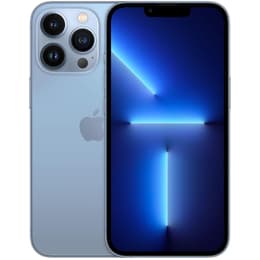

Galaxy A23 5G Vs iPhone 13 Pro

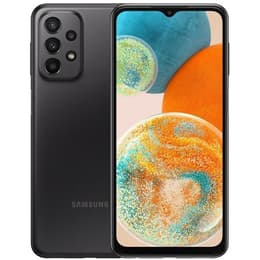
Galaxy A23 5G
Galaxy A23 5G
Starting at

Refurbished price:£100.00

Versus £300.00 new

See options
iPhone 13 Pro
iPhone 13 Pro
Starting at

Refurbished price:£232.00

Versus £949.00 new

See options

Ratings

The Samsung Galaxy A23 5G, released in early 2022, and the Apple iPhone 13 Pro, launched in late 2021, represent two distinct philosophies in the smartphone market. While the Galaxy A23 5G is designed as a versatile device with a focus on a large display and long-lasting battery life, the iPhone 13 Pro is a high-performance model that emphasises advanced photography and a compact, durable build. These devices operate on Android and iOS respectively, offering different software ecosystems that cater to various user habits and preferences.

The primary differentiators between these two models lie in their physical dimensions and their internal capabilities. The Galaxy A23 5G offers a larger screen and expandable storage, making it a practical choice for media consumption and file management. In contrast, the iPhone 13 Pro provides a more powerful processing experience and a sophisticated camera system housed in a smaller, more robust frame. Understanding these core differences is essential for users deciding which device best fits their daily routine and long-term needs.

Scores

Durability

When evaluating how long these devices will remain functional and relevant, the differences in software support and build materials play a significant role in their overall longevity.

  • Software Support and Updates: The iPhone 13 Pro is expected to receive iOS updates for approximately six to seven years from its release date, ensuring it remains compatible with the latest apps and security features well into the late 2020s. The Galaxy A23 5G typically receives four years of security updates and a shorter window of major Android version upgrades, meaning its software lifecycle is slightly more condensed compared to the Apple device.
  • Physical Build and Repairability: The iPhone 13 Pro features a stainless steel frame and Ceramic Shield glass, which provides high resistance to scratches and drops, though repairs can be complex due to the integrated components. The Galaxy A23 5G uses a reinforced plastic construction that is resilient against impacts and often easier for technicians to access for common repairs like screen or battery replacements.
  • Practical Lifespan: Users can expect both devices to provide several years of reliable service, but the iPhone 13 Pro's more powerful internals mean it is likely to maintain its speed and responsiveness for a longer period as apps become more demanding over time.

Year of Release

2022

2021

Compatible with latest Update

Yes

Yes

OS

Android

iOS

Foldable

No

No

Performance

Performance is defined by how smoothly a device handles daily tasks, from browsing the web to running intensive applications, as well as how long the battery lasts during a typical day.

  • System Responsiveness and Multitasking: The iPhone 13 Pro utilizes a high-performance processor that handles demanding tasks like video editing and high-end gaming with ease, showing very little lag even when multiple apps are open. The Galaxy A23 5G is equipped with efficient hardware that manages everyday tasks like social media, emails, and streaming smoothly, though it may show signs of slowing down when switching between many heavy applications simultaneously.
  • Storage and Memory Flexibility: The Galaxy A23 5G includes a dedicated slot for a microSD card, allowing users to significantly increase their storage space for photos and videos without relying on cloud services. The iPhone 13 Pro offers various fixed storage capacities ranging from standard to very high, but it does not allow for physical expansion after purchase, requiring users to choose their capacity carefully at the start.
  • Battery Endurance: With a large 5000mAh battery, the Galaxy A23 5G is built to last through a full day of heavy use or even two days of light use on a single charge. The iPhone 13 Pro has a smaller physical battery but uses highly efficient software to ensure it comfortably lasts through a standard workday, though power users may find themselves reaching for a charger by the evening.

Memory (GB)

4 GB

6 GB

Screen quality

The display is the primary interface for any smartphone user, and these two models offer very different visual experiences based on their underlying technology and size.

  • Display Technology and Color: The iPhone 13 Pro features an OLED display that provides deep blacks, high contrast, and vibrant colours, making it excellent for watching high-definition movies or editing photos. The Galaxy A23 5G uses an LCD screen which offers natural colour reproduction and good clarity, though it lacks the deep black levels and extreme contrast found on the OLED alternative.
  • Smoothness and Refresh Rates: Both devices support a 120Hz refresh rate, which makes scrolling through menus and animations look fluid and responsive. The iPhone 13 Pro uses adaptive technology to change this rate based on what you are doing to save battery, while the Galaxy A23 5G maintains a high refresh rate to ensure a consistently smooth visual experience during navigation.
  • Size and Outdoor Visibility: The Galaxy A23 5G has a larger 6.6-inch screen, providing more room for reading and watching videos, which is often preferred by those who use their phone as a primary media device. The iPhone 13 Pro has a smaller 6.1-inch screen that is significantly brighter, making it much easier to read and use under direct sunlight or in bright outdoor environments.

Resolution

1080 x 2408

1170 x 2532

Screen type

PLS LCD

Super Retina XDR OLED

Audiovisual

For many users, the camera is the most important feature, and these devices offer different tools for capturing photos and videos in various conditions.

  • Versatility and Zoom: The iPhone 13 Pro includes a dedicated telephoto lens, allowing for 3x optical zoom to capture distant subjects without losing detail, alongside its main and ultra-wide cameras. The Galaxy A23 5G features a quad-camera system that includes a macro lens for close-up photography of small objects, though it lacks a dedicated zoom lens, relying instead on digital cropping for distant shots.
  • Low-Light Performance: The iPhone 13 Pro excels in dark environments, using a larger sensor and advanced software processing to pull detail out of shadows and reduce graininess in night-time photos. The Galaxy A23 5G performs well in daylight and well-lit indoor settings, but users may notice more noise and less detail when taking photos in very dim lighting conditions.
  • Video and Audio Capture: Video recording on the iPhone 13 Pro is exceptionally stable and offers features like cinematic focus transitions, making it a favourite for content creators. The Galaxy A23 5G provides reliable video recording with optical image stabilisation on the main lens, which helps keep handheld footage steady, and its microphones provide clear audio for standard calls and voice memos.

Main camera

50 megapixels

12 megapixels

Front camera

8 megapixels

12 megapixels

Miscellaneous

Beyond the main specifications, several practical features like connectivity, ports, and physical handling influence the daily user experience.

  • Connectivity and Ports: Both smartphones support 5G connectivity for fast mobile data speeds and include modern Wi-Fi and Bluetooth standards. The Galaxy A23 5G uses a universal USB-C port for charging and data transfer and retains a traditional 3.5mm headphone jack for wired audio. The iPhone 13 Pro uses a Lightning port and requires an adapter or wireless headphones for audio, reflecting a more wireless-focused design.
  • Biometrics and Security: For unlocking the device, the iPhone 13 Pro uses Face ID, which scans the user's face for secure access, even in the dark. The Galaxy A23 5G features a fingerprint sensor built into the power button on the side of the frame, offering a quick and familiar way to access the phone while holding it naturally.
  • Weight and Handling: Despite being the smaller device, the iPhone 13 Pro feels substantial in the hand due to its stainless steel construction, weighing approximately 204 grams. The Galaxy A23 5G is larger but uses lighter materials, weighing about 197 grams, which may make it feel more comfortable for users who prefer a lighter device despite the increased screen size.

Weight

197 g

203 g

Screen size (in)

6.6

6.1

Mobile network

5G

5G

SIM card

Dual Physical SIM

Physical SIM + eSIM

Carrier compatibility

Unlocked

Unlocked

Connector

USB-C + Jack 3.5mm

Lightning

In summary, the choice between the Galaxy A23 5G and the iPhone 13 Pro depends largely on a user's specific priorities regarding screen size, camera versatility, and software longevity. According to user discussions on various tech forums, the Galaxy A23 5G is frequently praised for its impressive battery life and the convenience of its expandable storage, though some users note that it can feel bulky in smaller hands. The iPhone 13 Pro receives consistent acclaim for its exceptional camera quality and its fast, fluid performance, while some users express a desire for the more universal charging ports found on other devices.

Users who prioritise a large screen for media consumption, the flexibility of a headphone jack, and a battery that can last through multiple days of light use will find the Galaxy A23 5G well-suited to their needs. Conversely, users who seek a more compact device with professional-grade photography features, high-end video capabilities, and a longer window of software updates may lean toward the iPhone 13 Pro. Both devices are capable of serving as reliable daily companions for several years.

Choosing a quality-assured refurbished option for either of these models is an excellent way to access these features while making a sustainable choice. By opting for a refurbished device, users can enjoy the full capabilities of these smartphones as an eco-friendly alternative to buying new, contributing to a more circular electronics economy without compromising on functionality or reliability.

See all articles

Our recent comparisons