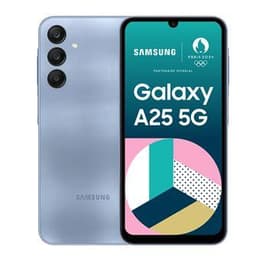
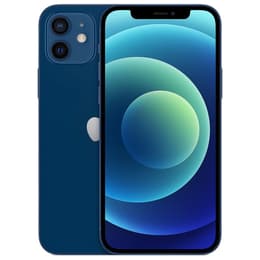
Galaxy A25 Vs iPhone 12

Galaxy A25
Galaxy A25
Starting at

Refurbished price:£122.00

Versus £272.58 new

See options
iPhone 12
iPhone 12
Starting at

Refurbished price:£141.00

Versus £649.00 new

See options

Ratings

The Samsung Galaxy A25 (2024) and the iPhone 12 (2020) represent two distinct approaches to the modern smartphone experience. While the Galaxy A25 is a contemporary mid-range device designed with the latest Android features, the iPhone 12 is a former flagship that continues to offer a high-end experience within the iOS ecosystem. The primary differences between these two devices lie in their display technology, battery endurance, and physical build materials. The Galaxy A25 prioritises a large, fluid screen and long-lasting power, whereas the iPhone 12 focuses on a compact form factor and integrated ecosystem features.

Operating systems also play a significant role in the user experience, with the Galaxy A25 running the latest version of Android and the iPhone 12 supporting current iOS updates. This comparison explores how these devices handle daily tasks, photography, and long-term use to help you decide which model aligns best with your personal requirements.

Scores

Durability

When evaluating how long these devices will remain functional and secure, the four-year gap in their release dates is a significant factor for users to consider.

  • Software Support Timeline: The Galaxy A25, released in 2024, is scheduled to receive major operating system updates until 2028 and security patches until 2029. In contrast, the iPhone 12 was released in 2020 and, while Apple is known for long-term support, it is naturally closer to the end of its primary update cycle, typically receiving around six to seven years of total support.
  • Physical Resilience and Repair: The iPhone 12 features a glass and aluminium construction with a specialised ceramic shield for drop protection, while the Galaxy A25 uses a practical plastic build that is less prone to shattering but may show scratches more easily. Both devices have widely available parts, though the iPhone's internal design is often noted for its complexity during professional repairs.
  • Practical Lifespan: Users can expect the Galaxy A25 to remain current for several more years due to its newer hardware, whereas the iPhone 12 remains a viable option for those who prefer a stable, established platform, even as it enters its later years of service.

Year of Release

2023

2020

Compatible with latest Update

Yes

Yes

OS

Android

iOS

Foldable

No

No

Performance

Performance on these devices is tailored to different types of users, with one focusing on efficiency for daily tasks and the other on raw processing power.

  • System Responsiveness: The iPhone 12 utilizes high-performance internal hardware that remains remarkably fast for demanding applications and mobile gaming, ensuring a smooth experience even years after its launch. The Galaxy A25 uses a modern mid-range processor that handles social media, web browsing, and multitasking with ease, though it may not be as suited for the most intensive graphical tasks.
  • Battery Endurance: With a large 5,000mAh battery capacity, the Galaxy A25 is designed to last through a full day of heavy use or up to two days of light use. The iPhone 12 has a smaller battery cell which, while efficient, may require more frequent charging for power users, especially as the device ages.
  • Storage and Multitasking: The Galaxy A25 offers the flexibility of expandable storage via a memory card slot, allowing users to keep large libraries of photos and videos. The iPhone 12 relies on fixed internal storage options, meaning users must choose their capacity carefully at the start, though its efficient memory management keeps apps running smoothly in the background.

Memory (GB)

6 GB

4 GB

Screen quality

The viewing experience differs greatly between these two models, primarily due to the size of the panels and the technology used to refresh the image.

  • Display Fluidity: A standout feature of the Galaxy A25 is its 120Hz refresh rate, which makes scrolling through lists and navigating the interface feel exceptionally smooth. The iPhone 12 uses a standard 60Hz refresh rate, which is consistent and reliable but lacks the ultra-fluid motion found on the newer Samsung model.
  • Panel Technology and Clarity: Both phones use OLED-based technology, providing deep blacks and vibrant colours. The iPhone 12 features a Super Retina XDR display that is highly regarded for its colour accuracy and high peak brightness for outdoor viewing, while the Galaxy A25 offers a larger 6.5-inch Super AMOLED screen that provides an immersive experience for watching videos.
  • Viewing Comfort: The Galaxy A25 includes features to reduce blue light and eye strain during long sessions, while the iPhone 12 uses True Tone technology to adjust the screen's colour temperature based on the ambient light in the room, making the display appear more natural in various environments.

Resolution

1080 x 2340

1170 x 2532

Screen type

Super AMOLED

Super Retina XDR OLED

Audiovisual

Photography enthusiasts will find that these devices offer different strengths, from high-resolution sensors to advanced software processing.

  • Image Detail and Versatility: The Galaxy A25 is equipped with a 50MP main sensor that captures significant detail in bright daylight, accompanied by ultra-wide and macro lenses for different perspectives. The iPhone 12 uses a dual 12MP system that prioritises consistent colour balance and natural skin tones, often producing images that look more true-to-life across various lighting conditions.
  • Video Capabilities: The iPhone 12 is widely praised for its video recording quality, offering smooth stabilisation and high dynamic range that is difficult to match in the mid-range segment. The Galaxy A25 provides solid video for social media and casual use, including 4K recording, but it may not offer the same level of cinematic smoothness as the iPhone.
  • Low-Light Performance: Both devices feature dedicated night modes to help capture images in dim environments. The iPhone 12 tends to process these shots more quickly with less noise, while the Galaxy A25 relies on its high-resolution sensor to pull in light, which works well for stationary subjects but may struggle with movement in the dark.

Main camera

50 megapixels

12 megapixels

Front camera

13 megapixels

12 megapixels

Miscellaneous

Beyond the core specifications, several practical features influence how these phones feel and function in everyday life.

  • Connectivity and Ports: The Galaxy A25 includes a 3.5mm headphone jack, a feature that is increasingly rare and highly valued by users who prefer wired audio. The iPhone 12 uses a proprietary port for charging and audio, but it introduces the MagSafe system, which allows for easy attachment of magnetic chargers and accessories.
  • Biometrics and Security: For unlocking the device, the Galaxy A25 uses a responsive fingerprint sensor built into the side power button. The iPhone 12 utilizes FaceID, a sophisticated facial recognition system that works securely even in total darkness, providing a hands-free way to access the phone and authenticate payments.
  • Build and Handling: The iPhone 12 is notably slimmer and lighter, making it easier to use with one hand or carry in a small pocket. The Galaxy A25 is larger and heavier, which accommodates its bigger screen and battery but may feel more substantial in the hand. Additionally, the iPhone 12 carries an IP68 rating for water and dust resistance, a feature not present on the Galaxy A25.

Weight

197 g

164 g

Screen size (in)

6.5

6.1

Mobile network

5G

5G

SIM card

Dual Physical SIM

Physical SIM + eSIM

Carrier compatibility

Unlocked

Unlocked

Connector

USB-C

Lightning

In summary, the choice between the Galaxy A25 and the iPhone 12 depends largely on whether a user prioritises modern mid-range features or a legacy flagship experience. Based on community feedback from platforms like Reddit, users frequently praise the Galaxy A25 for its vibrant 120Hz display and exceptional battery life, though some note that the plastic build feels less substantial than premium models. Conversely, iPhone 12 users often highlight the device's compact size, impressive video quality, and the seamless nature of the iOS ecosystem, while the most common criticism involves the battery's longevity compared to newer standards.

Users who prioritise a large screen for media consumption, the convenience of a headphone jack, and the latest Android software support will find the Galaxy A25 well-suited to their needs. Those who prefer a more compact, water-resistant device with high-end video capabilities and a premium glass-and-metal feel may lean toward the iPhone 12. Choosing a quality-assured refurbished option is an eco-friendly alternative that allows users to access these features while supporting a more circular economy. Ultimately, both devices offer a reliable smartphone experience, and selecting a sustainable choice helps reduce electronic waste while providing a high-quality device for years to come.

See all articles

Our recent comparisons